

I have an unproven theory that I keep coming back to every time I travel around the Loire Valley: the most impressive châteaux are usually the ones that tell you the least about who was really there. Huge châteaux like Chambord or Chenonceau, for all their romance, tend to show a polished facade and sweep the bloody history under the rug. Château d’Amboise is different. Amboise isn’t shy about it. It has a doorframe that killed a king, a balcony once used to hang rebels, and a tomb nobody is entirely sure who’s really in it.
What is Château d’Amboise?
Château d’Amboise is one of the most fascinating and important châteaux in France’s Loire Valley. It served as the main stronghold of the kings of France (from the 15th through the 16th century) and showcases a stunning blend of French and Italian Renaissance architecture. The château is famous for the bloody history of the royal court, for its striking structure overlooking the Loire river, and for the Chapelle Saint-Hubert, where the grave of the Renaissance genius Leonardo da Vinci (1452-1519) is found. I highly recommend a visit if you’re looking for a château that brings history to life.
If you’re planning a trip and using my Loire Valley itineraries, and you’re looking for one château to start with, I have a clear answer for you. Not because it’s the biggest (it isn’t; what stands there today is about a fifth of the original grounds), and not because it’s the most lavish. It’s because this château, more than any other I’ve seen, maybe aside from Château de Blois, tells the most vivid story of what it was really like to live (and sometimes die) at the French royal court.
Before we jump into the château’s fascinating history, let’s cover the practical information, which may not be as exciting but is pretty important. For more in-depth reading, you can always check out my complete guide to the Loire Valley.
Visitor information for Château d’Amboise
Booking tickets
Since Amboise is a fairly popular château, I recommend booking tickets in advance so you don’t have to wait in line at the ticket booth. There are two types of tickets for the château:
- Ticket for the château only
- Combined ticket for Château d’Amboise and Clos Lucé (saves you a few euros)
Opening hours
Château d’Amboise is open to the public every day of the year, except for two days when the site is completely closed: January 1 and December 25.
Opening hours vary by season. In winter (on some days in January, February, November and December) the château closes for a midday break. Keep in mind that the park and gardens close 45 minutes after the ticket booths close.
Here’s the full breakdown of opening hours (updated for 2026):
- January:
- January 2-4: 9:00 a.m. – 5:30 p.m.
- January 5-31: 10:00 a.m. – 12:30 p.m. and then 2:00 p.m. – 4:30 p.m.
- February:
- February 1-6: 10:00 a.m. – 12:30 p.m. and then 2:00 p.m. – 4:30 p.m.
- February 7-28: 9:00 a.m. – 5:00 p.m.
- March: 9:00 a.m. – 5:30 p.m.
- April: 9:00 a.m. – 6:00 p.m.
- May and June: 9:00 a.m. – 6:30 p.m.
- July and August (peak season): 9:00 a.m. – 7:00 p.m.
- September: 9:00 a.m. – 6:00 p.m.
- October: 9:00 a.m. – 5:30 p.m.
- November:
- November 1 (All Saints’ Day): 9:00 a.m. – 5:30 p.m.
- November 2-30: 9:00 a.m. – 12:30 p.m. and then 2:00 p.m. – 5:00 p.m.
- December:
- December 1-18: 9:00 a.m. – 12:30 p.m. and then 2:00 p.m. – 5:00 p.m.
- December 19-24 and 26-31 (holiday season): 9:00 a.m. – 5:00 p.m.
How to get to Château d’Amboise
The château sits in the town of Amboise, in the Touraine region, right in the heart of the Loire Valley. You’ll spot it dominating the skyline as soon as you cross the bridge into town.
Guided tour from Paris
If you’re staying in Paris and looking for a day trip to the Loire Valley, my advice is not to waste time on a round-trip train ride or dealing with a rental car. Just book a comfortable guided tour through GetYourGuide instead. It will save you time and headaches, and it won’t actually cost you much more than doing it on your own (once you factor in the cost of transportation and admission to the château).
Here are a few guided tours that include Amboise:
Getting there by car
I only recommend renting a car in Paris if you’re planning to explore the Loire Valley over several days and/or continue from there to other regions of France, like Brittany.
Rented a car? Here’s your route:
- Leaving Paris: get on the A10 highway heading southwest (toward Bordeaux / Aquitaine).
- Driving on the A10: drive about 200 kilometers until you reach the Tours area.
- Exiting onto local roads: take the D751 (or parallel local roads) which lead directly to the town of Amboise, on the banks of the Loire river.
Keep in mind that part of the route includes toll roads, and you can avoid them (at the cost of a longer trip) if you set your GPS to avoid tolls.
Free parking lots
- Parking des Tanneurs: located at 8 Mail Saint-Thomas. This is a spacious, shaded and completely free parking lot, considered one of the most convenient options. It’s a short walk from the town center, Château d’Amboise and Clos Lucé.
- Parking du Mail: located on the banks of the Loire river at Quai du Général de Gaulle. This lot offers free parking, is open 24/7, and is only about a 5-minute walk from the château and the town center.
- Parking des Quais: another free parking lot located right on the Loire riverfront. It offers a lovely view of the château and is considered very convenient for those coming on a day trip to town.
Getting there by train
There are direct trains from the Paris-Austerlitz station. The ride takes between an hour and a half and two hours, and the station in Amboise is a short walk from the château. If you’re looking for a good site to book train tickets through, let me recommend Rail Europe, which is what I use when I book train tickets.
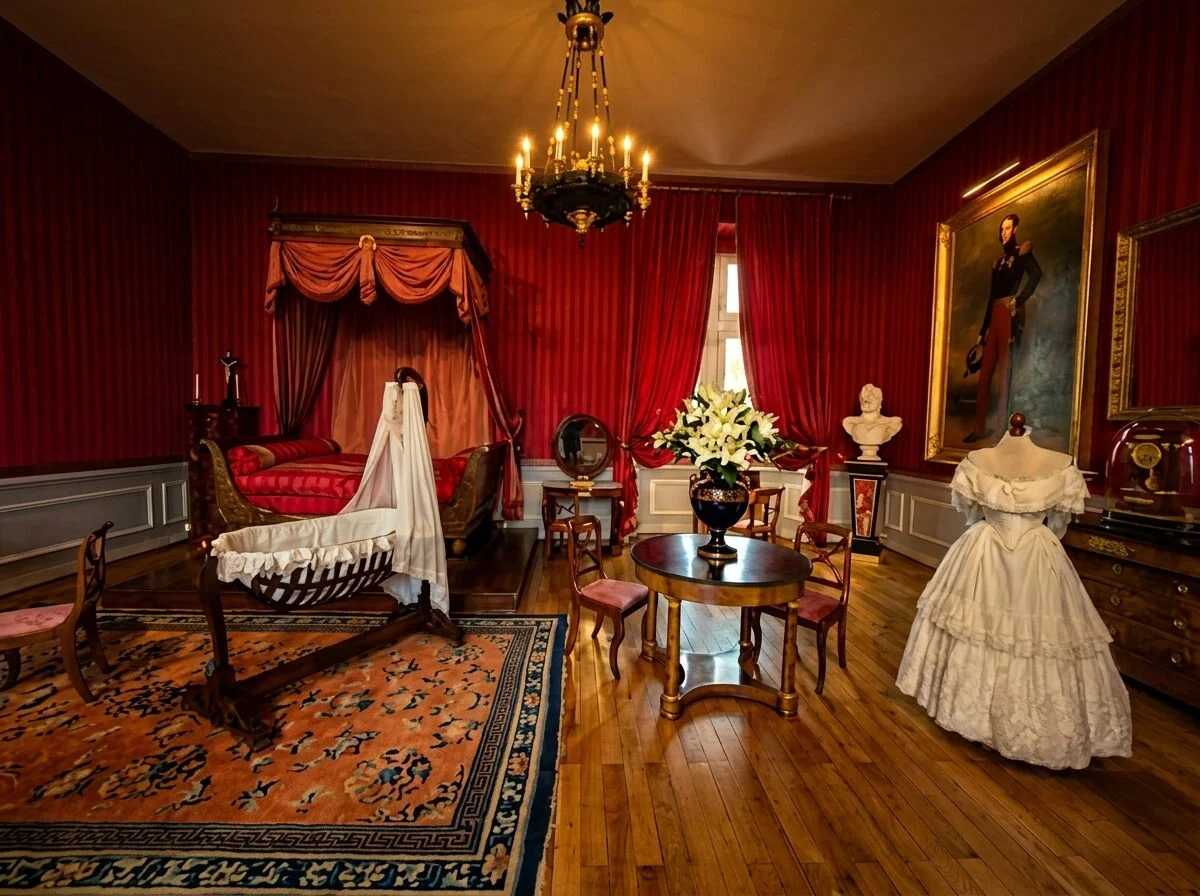
Recommended hotels in Amboise and the area
If you’ve decided to extend your stay and soak up the town’s nighttime atmosphere (and there’s a real charm to it once the tourists leave), here are a few hotels I’ve gathered for you in the area. By the way, if you have a car and would rather stay a bit farther out, it’s also worth checking out recommended hotels in nearby Tours:
Le Choiseul
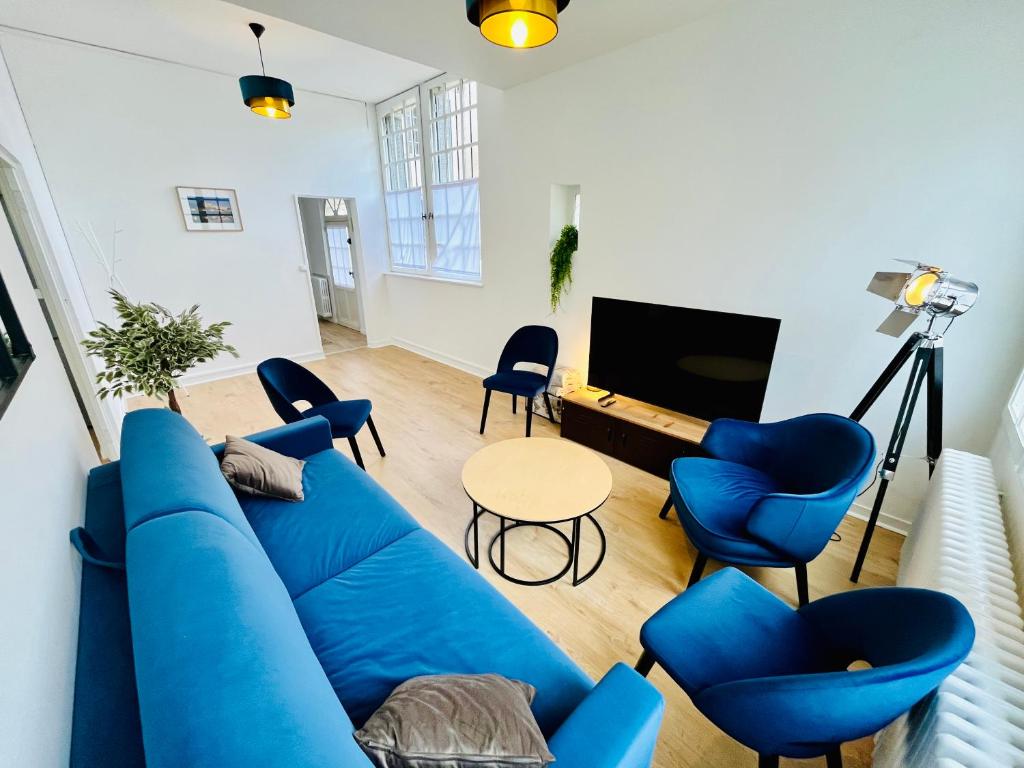
A charming and luxurious boutique hotel on the banks of the Loire river, right at the foot of the château. It offers a wonderful blend of tradition, elegant rooms, pastoral gardens and an excellent restaurant. Click here for details and to book a room.
Château de Pray

Why just visit a château when you can sleep in one? This beautiful 13th-century château sits a short drive from Amboise and offers a taste of aristocratic hospitality, along with a Michelin-starred restaurant that will blow your taste buds away. Click here for details and to book a room.
Hôtel Bellevue
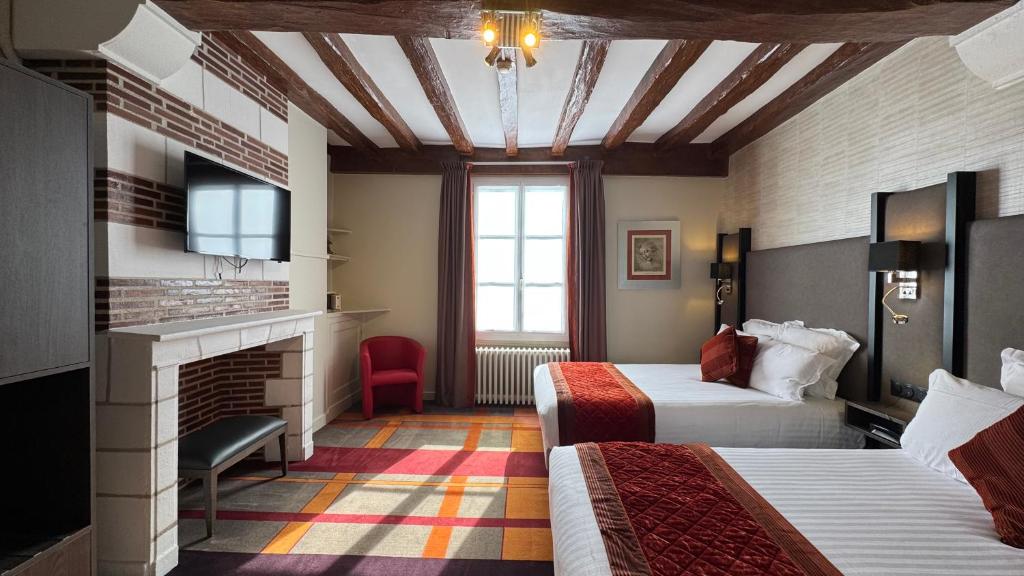
True to its name, “the beautiful view.” A charming, accessible 3-star hotel with comfortable, clean rooms at reasonable prices, just a very short walk from the heart of town and from Château d’Amboise. Click here for details and to book a room.
What you shouldn’t miss on your visit
- Chapelle Saint-Hubert: a small, perfect Gothic gem that houses the grave of Leonardo da Vinci (1452-1519). Its stained-glass windows are stunning, especially when the sun shines through them. Take a moment to enjoy it. Unfortunately, the chapel was closed for renovations the last time I visited (in 2023), but I imagine it will be open again by the time you get there.
- The towers and cavalry ramps (Tours Cavalières): the Tour des Minimes and the Tour Heurtault. These are massive towers with a spiral ramp and no stairs, which allowed horsemen and carriages to ride comfortably straight up from town into the château.
- The royal residence (Logis Royal): here you can tour rooms furnished in Renaissance style and peek at the historic balcony. I highly recommend using the HistoPad you get at the entrance: it’s an amazing interactive tablet that shows the rooms in 3D as they looked in the past, bringing history back to life right before your eyes.
- The gardens and the lookout point: stroll through the beautiful formal gardens, and take a moment to take in the 360-degree panoramic view over the Loire river and the town.

The bloody story of the Château d’Amboise
The Château d’Amboise sits on a strategic cliff that has been inhabited since Neolithic times, and by the 4th century a fortress already stood there. Until the 15th century it was an ordinary feudal castle, belonging to a local noble family, one of many along the Loire. Then, in 1431, King Charles VII (r. 1422-1461) decided that the local duke (Louis d’Amboise, 1392-1469) had plotted against the crown. As a result, the duke was charged and tried for treason, and the castle was seized and became crown property. That is the moment Amboise stopped being just another feudal castle and became a stronghold of kings.
His son, Louis XI (r. 1461-1483), nicknamed “the Spider” for his scheming, did not do much with the place. But his grandson, Charles VIII (r. 1483-1498), was born in the château in 1470, and when he took the throne he decided it would be his main home. And this is the point where the story really starts getting interesting.
The king who loved Italy a little too much (and paid for it with his head)
Charles VIII (r. 1483-1498) was not what you’d picture when you think of a typical Renaissance king. He didn’t have his father’s natural charisma, but he had one clear obsession: Italy. In 1494 he set out on a military campaign to conquer Naples, and along the way he fell in love with the splendor of Milan, Florence and Rome. When he came back, he brought with him not only his army but also Italian architects, artists and gardeners. He decided that Amboise would become an Italian-style palace, and he opened the door (literally) to the French Renaissance in the Loire Valley. What stands there today is largely the result of Charles VIII’s vision and building work.
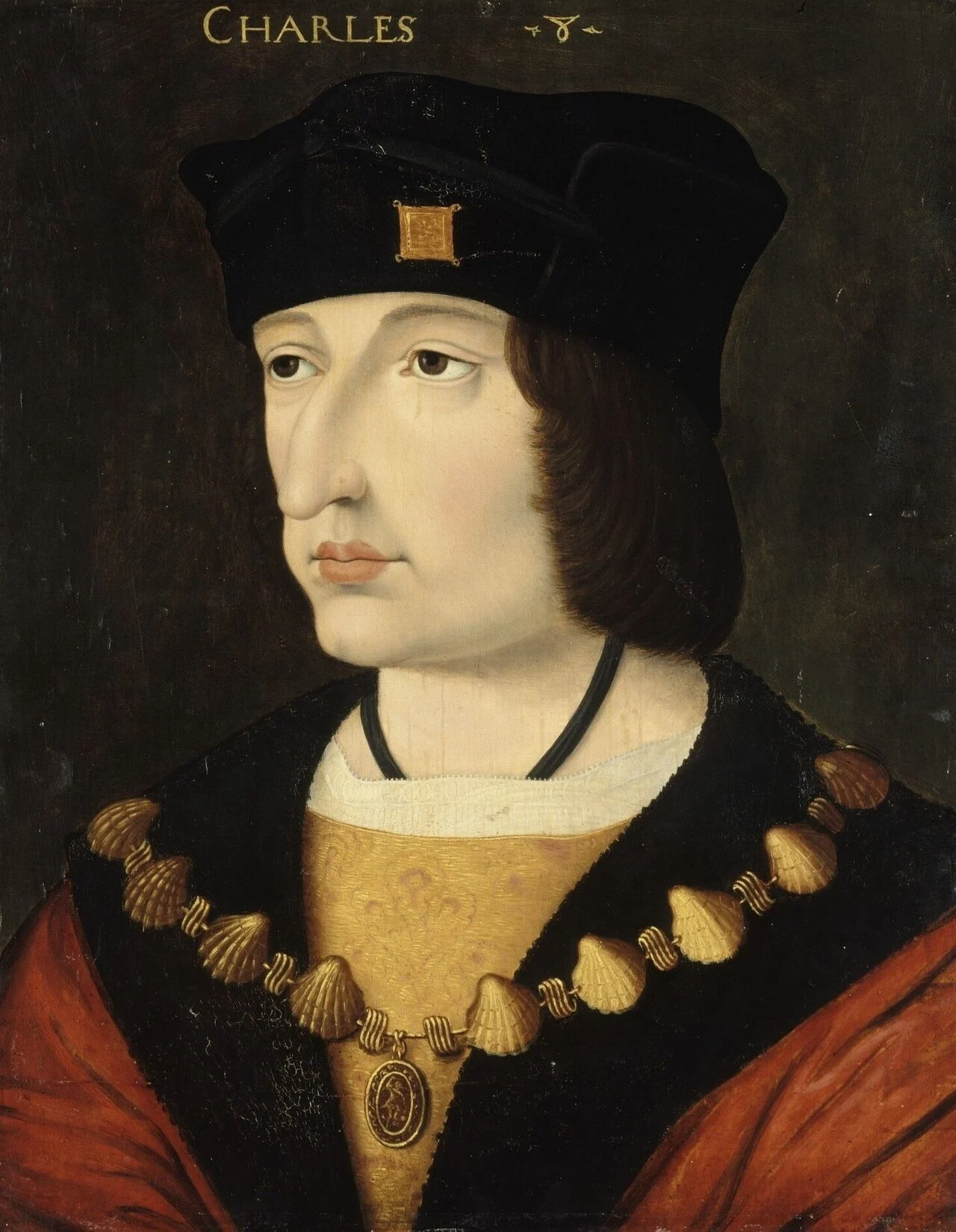
Then, on April 7, 1498, the unbelievable happened. The 27-year-old king was accompanying his wife, Anne de Bretagne (1477-1514), to watch a game of jeu de paume (an early form of tennis) in the château’s game hall. He did it to take her mind off things, since just three weeks earlier they had lost their infant daughter. On the way, they passed through a low doorway.
King Charles hit his head hard on the door frame at Amboise. Remarkably, he kept watching the game as if nothing had happened. But on his way back he collapsed, slipped into a coma, and died nine hours later (some argue that it wasn’t the blow itself that killed him but a stroke, but we’ll stick with the dramatic version that fired up people’s imaginations at the time: decide for yourselves, I personally haven’t checked the medical file).

The Scottish girl and the night of killing at Amboise
If Charles VIII gave Amboise its architecture, it was King Henri II (r. 1547-1559) and his wife, Catherine de’ Medici (1519-1589), who filled it with life.
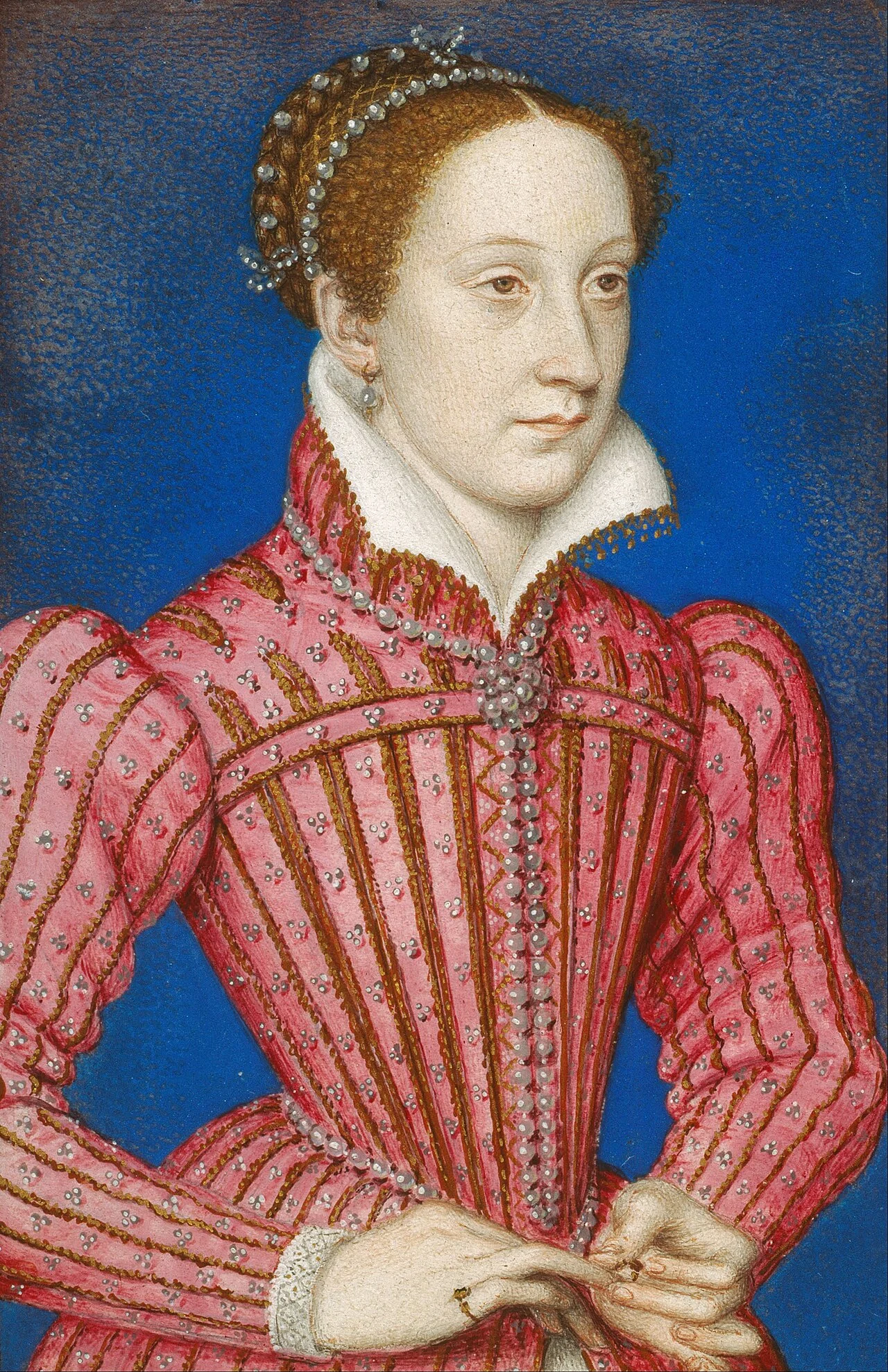
Among the children who grew up here was Mary Stuart (1542-1587), Queen of Scots, who was brought to France at a young age to marry their son François (later King François II, r. 1559-1560). Picture it: a Scottish girl growing up in a French palace, learning courtly manners and speaking fluent French, before becoming one of the most tragic figures in British history.
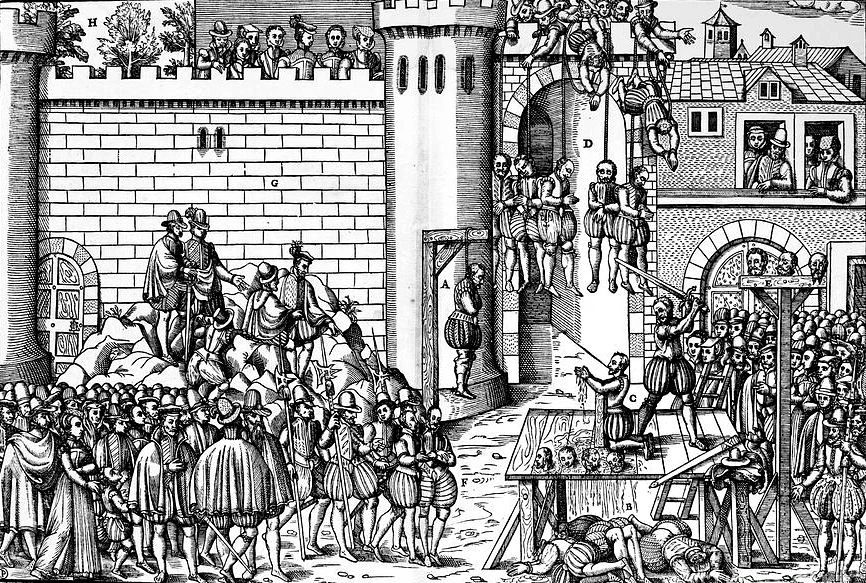
But the real tragedy of the château took place in 1560, during the short reign of François II (r. 1559-1560). The hardline Catholic House of Guise effectively ruled the country, which enraged Huguenot (Protestant) nobles. They hatched the “Amboise conspiracy,” a plan to kidnap the young king and remove the Guise family from power. The plot leaked, and when the rebels attacked on March 17, they were quickly defeated.
The response was especially brutal. Estimates put the number of Huguenots executed at between 1,200 and 1,500 (there are no exact figures, but blood flowed freely there). Since there were no gallows left free in town, they were hanged from anywhere possible on the château: from the walls, from the trees, and even from iron hooks on the walls originally meant to hold festive tapestries. The walls turned into a sticky, bloody red display of beheaded nobles. Some of the executions took place right in front of the “balcony of the hanged” of the royal residential wing, in the presence of the king and queen. By the way, François de Guise, who orchestrated this massacre, was himself assassinated a few years later, a historical circle of revenge at its finest. This revolt was effectively the opening shot of France’s bloody Wars of Religion.
The genius who lived at the end of the secret tunnel
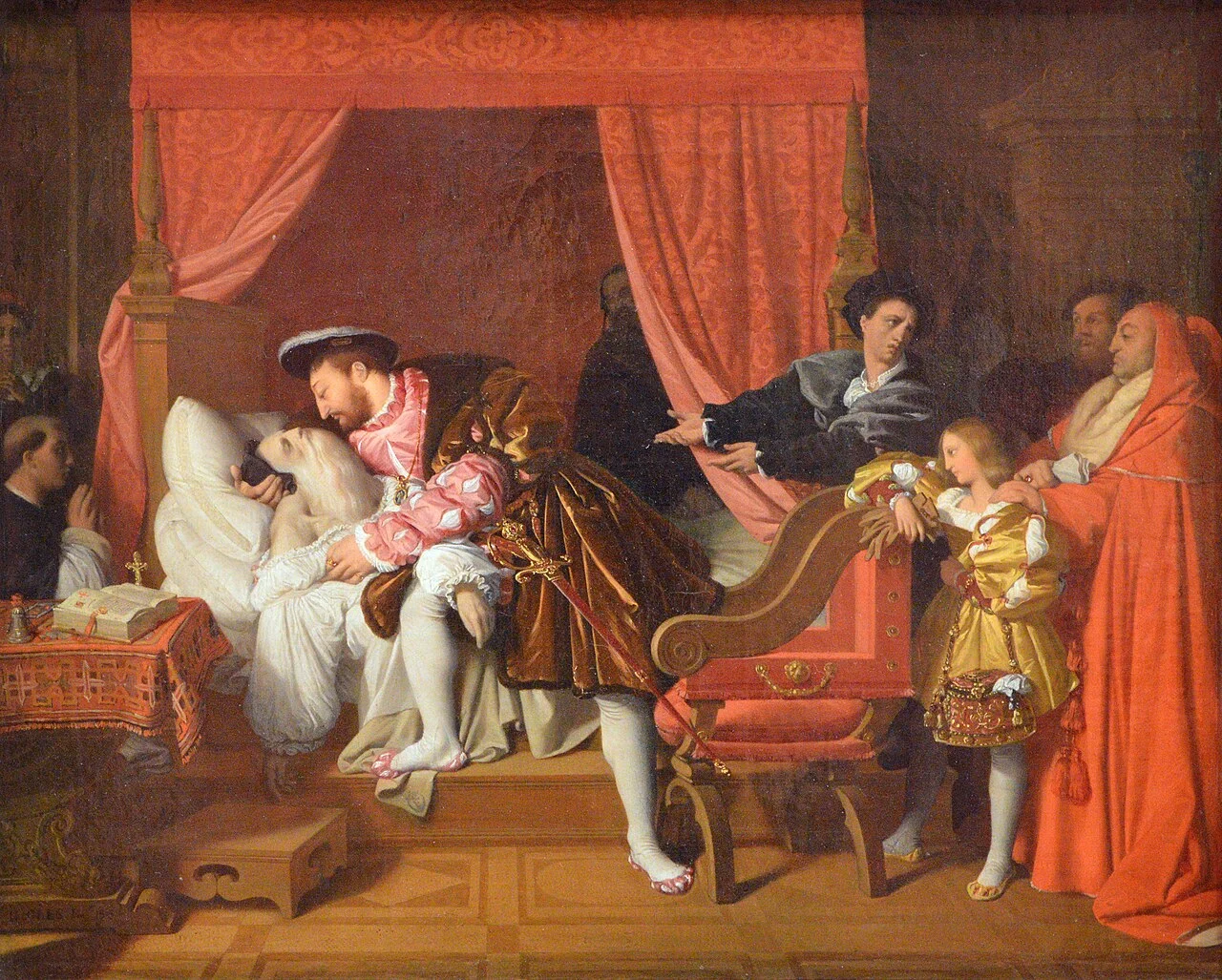
My favorite story about Amboise changes the tone completely. In 1516, the young King Francis I (r. 1515-1547) invited an aging Italian artist to come live in France, his name was Leonardo da Vinci (1452-1519). He was given the title “First Painter, Engineer and Architect to the King,” along with a nearby estate called Clos Lucé.
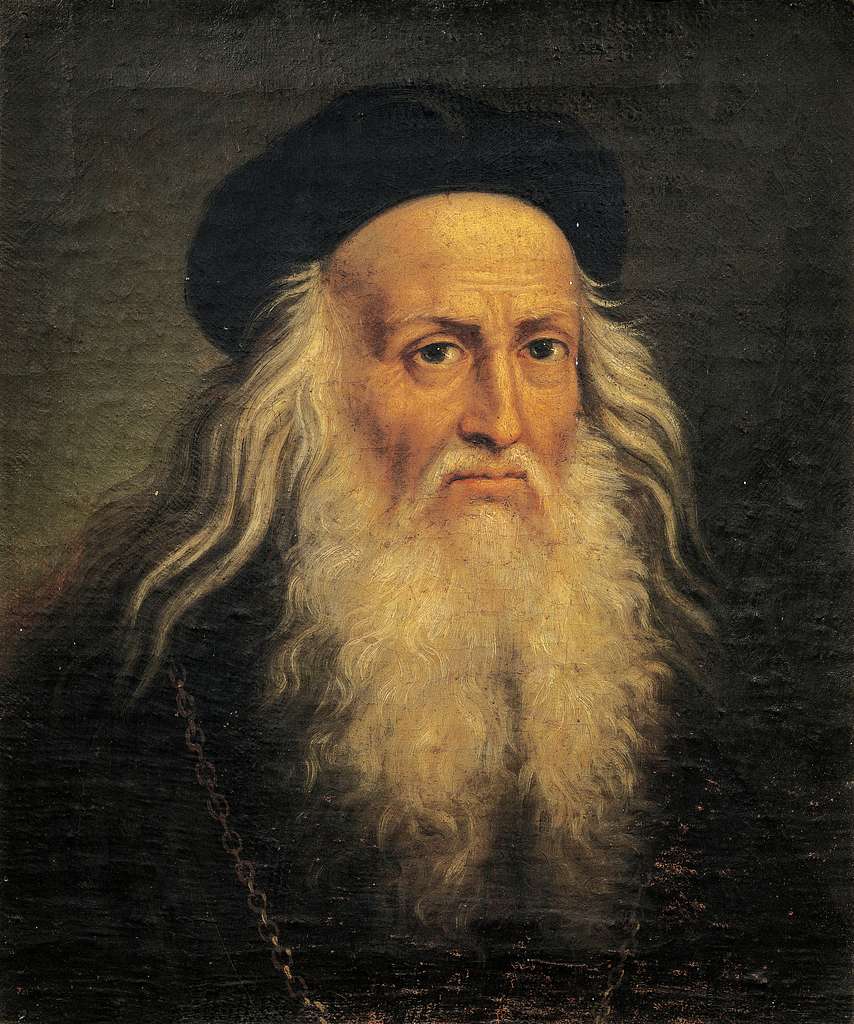
Legend has it that Francis admired Leonardo so much that he ordered a secret underground tunnel dug to connect the Château d’Amboise to the Clos Lucé estate, so he could visit him discreetly at any time. The entrance to this secret tunnel can still be seen at Clos Lucé, worth checking out when you visit there. Leonardo spent his final years there, working on his inventions and planning royal celebrations, until his death on May 2, 1519.
And here is where the mysterious part begins: Leonardo was buried in the Church of Saint-Florentin on the château grounds, but it was destroyed during the French Revolution. In 1863, excavations were carried out in the area where the church had stood, and a skeleton and coins from that period were found, along with fragments of a tombstone bearing the name “Leonardus Vincius.” The bones were moved to the magnificent Chapelle Saint-Hubert, which stands at the edge of the château’s wall. On the wall you’ll find an inscription noting that this is his “presumed” (Présumés) grave. There’s something poetic about a genius who spent his whole life dealing with unsolved riddles finding his resting place in a grave that is itself a riddle.
From ruin to a prestigious prison for an emir
Over the years, the château was abandoned in favor of newer, more fashionable palaces such as Chambord and Versailles. The French Revolution took a heavy toll on it, and large sections were deliberately destroyed or dismantled so their building materials could be sold. Picture a château five times the size of the one you see today when you visit, that’s exactly what it once was.
In the 19th century, King Louis-Philippe I (r. 1830-1848) began restoring the building. Later, between 1848 and 1852, the château served as a prison (or more precisely, a luxurious place of detention) for Emir Abd el-Kader (1808-1883), leader of the Algerian resistance. He described Amboise, before it became his prison, as a “smiling and lively town.” He and his family were held there before being released by Napoleon III (r. 1852-1870). Today the château is maintained by the Fondation Saint-Louis (linked to descendants of the royal House of Orléans).
So what remains of Amboise today is breathtaking Renaissance beauty tied to two threads of red blood: the blood of a French king who died from a foolish accident, and the blood of hundreds of nobles slaughtered without mercy. A reminder that behind every romantic château, there is often a dark story hiding.
Frequently asked questions about the Château d’Amboise
Where is Leonardo da Vinci buried?
Leonardo da Vinci is buried in the Chapelle Saint-Hubert, located on the grounds of the Château d’Amboise.
Who built the Château d’Amboise in the form we know it today?
King Charles VIII began the process of turning the château into an Italian-style palace after returning from a military campaign in Italy in the 15th century.
Can you stay overnight near the Château d’Amboise?
Yes, there are several excellent hotels around the château in the town of Amboise, such as Le Choiseul or Château de Pray, offering a royal lodging experience.
Did you enjoy this article? So you don’t miss a single amazing article (because every weekend we send you the best articles about France straight to your inbox), feel free to sign up right here for my newsletter.
Related reading