

In short
- What’s there: the Arc de Triomphe, the Champs-Élysées, the Place de la Concorde, the Église de la Madeleine, La Galerie Dior, the Petit Palais, the Grand Palais and the Musée Jacquemart-André.
- Location: the Right Bank, from the Place de la Concorde in the east to Parc Monceau in the north.
- Tickets: three of the sites are free to enter, and for the Arc de Triomphe it’s worth booking ahead.
- Good to know: the Palais de la Découverte has been closed for renovation since 2020, and its reopening is planned for March 2027.
- Food markets: two, the Madeleine market on Tuesdays and Fridays, and the organic Batignolles market on Saturdays.
- Restaurants: I have no recommendations in this arrondissement, and you’re better off eating in the neighboring ones.
- Walking itineraries: four take place entirely in the arrondissement, and five more pass through it.
The 8th arrondissement is the arrondissement of the Arc de Triomphe and the Champs-Élysées, so most visitors spend two hours in it and move on. That’s a mistake. The same arrondissement also has two palaces from the World’s Fair of 1900, an entire private mansion preserved exactly as it was, and a fashion museum you’ll want to book well ahead.
It’s also the most expensive arrondissement in Paris, and you feel it in everything to do with food and lodging. Rather than recommend restaurants I haven’t checked, I preferred to leave that part out and send you to the neighboring arrondissements. What it does have is walking itineraries: four of them take place here from start to finish.
So before we set off, here is what you’ll find on this page: first the hotels and apartments I recommend, then the attractions and museums one by one, the arrondissement’s two food markets with their days and hours, and finally the walking itineraries.
Recommended Hotels in the 8th Arrondissement of Paris
The 8th is the showcase for the most expensive hotels in Paris, but it also has a few hidden options on the side streets. If you’re not sure what suits you, answer three questions and I’ll pick from my recommendations:
My personal pick
Which hotel in the 8th arrondissement suits you?
One short question, and I will pick out of the places I already checked and wrote about on the site the ones that fit the trip you are planning.
One moment, I am going over my recommendations to find what fits you…
Prefer to go through all my recommendations yourself, with photos and details on every hotel? Here is my page of recommended hotels in the 8th arrondissement.
Recommended Apartments in the 8th Arrondissement of Paris
In this arrondissement, an apartment is a way to bring down the price per night in an area where hotel rates climb fast. Here too, you can let me choose:
My personal pick
Which apartment in the 8th arrondissement suits you?
One question about the area, and I will filter the apartments I checked and wrote about on the site. The apartments I recommend directly get booked very fast, so I added excellent Booking.com apartments that I hand-picked for my readers.
One moment, I am going over my recommendations to find what fits you…
Want to go through all the apartments I recommend, with photos and details? Here is my page of recommended apartments in the 8th arrondissement.
Attractions and Museums in the 8th Arrondissement of Paris
These are the sites I recommend in the 8th, and three of them are free to enter.
-
Must see

The Arc de Triomphe
To me, the best viewpoint in Paris, better than the Eiffel Tower, for one simple reason.
The reason is very simple: from the Arc de Triomphe you can see the Eiffel Tower, and from the Eiffel Tower you can’t. Add the twelve avenues that branch out from the square like a star, and you’ll understand why its original name was Place de l’Étoile (Star Square). And one thing before you go: don’t try to cross the square on foot. There’s an underground passage, and using it is not a suggestion.
-
Free entry

The Champs-Élysées
The most famous avenue in the world, and also the most disappointing one if you don’t know to look up.
At street level the avenue is a chain of stores you can find in any Western city, but above them is 19th-century architecture that nobody has touched. Two stops worth the detour from the crowded route: the eastern part of the avenue, from the Rond-Point to the Concorde, which is really a city garden rather than a shopping street, and the little streets on either side.
-
Free entry

The Place de la Concorde
The largest square in Paris, and the place where Louis XVI (r. 1774-1792) and Marie Antoinette (1755-1793) were beheaded.
The obelisk in the center is real and about 3,300 years old, from the Temple of Luxor. It was set up in the very square where the guillotine had stood, and that wasn’t an innocent choice: the idea was to fill the space with something neutral that didn’t belong to any political side. Eight statues around the square stand for eight French cities, and the one for Strasbourg was draped in black after 1871.
-
Free entry

The Église de la Madeleine
It looks like a Greek temple, with no cross on the facade, because it wasn’t originally meant to be a religious building.
Napoleon commissioned the building as a temple to the glory of his Grande Armée, and only after his fall did it become a church. Along the way it was supposed to become a stock exchange, a library and even a railway station, and each time someone changed their mind. Around the square you’ll find the most expensive gourmet food shops in Paris, and looking in the windows is free.
-
Fashion

La Galerie Dior
The fashion museum of the house of Dior, and it impresses even people who don’t care about fashion.
The gallery opened in 2022 in the building where Christian Dior (1905-1957) opened his fashion house in 1946. What makes it unforgettable is the spiral staircase lined with hundreds of objects arranged by color. Keep in mind that tickets are released in batches and sell out fast, so I recommend checking the official website a week before your visit.
-
Permanent collection free
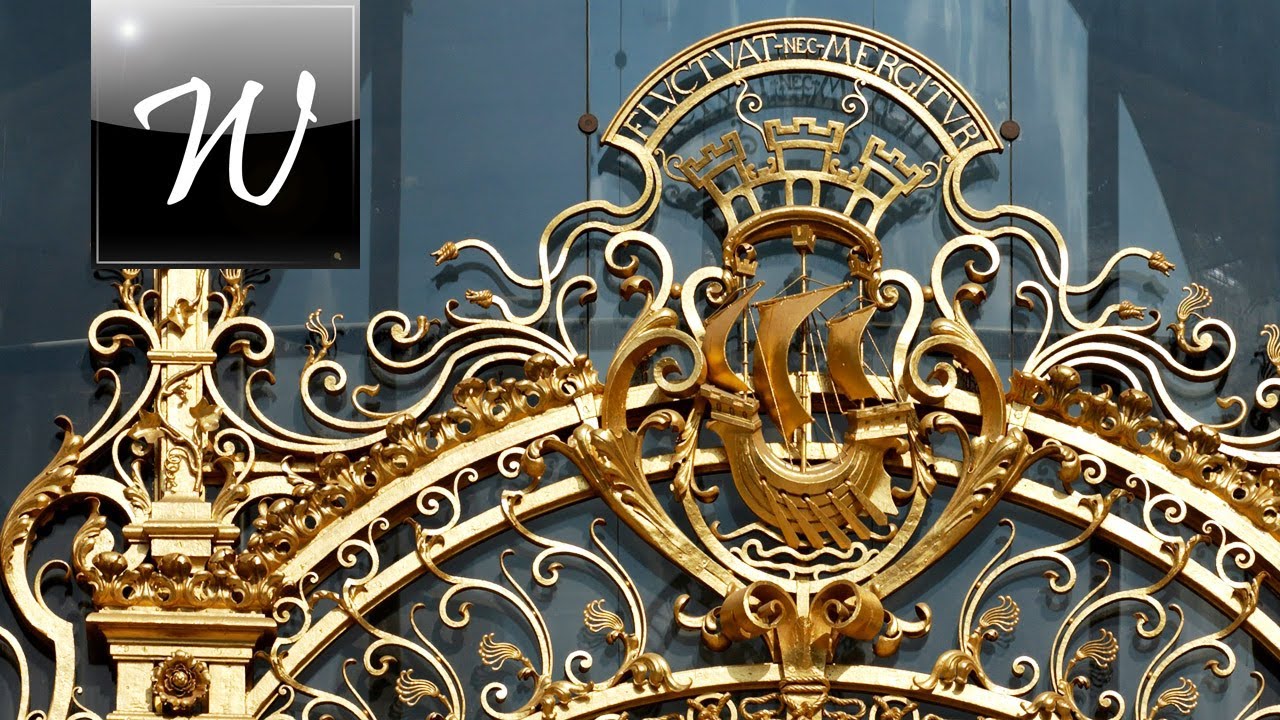
The Petit Palais
The City of Paris Museum of Fine Arts, and its permanent collection is free to enter.
The building was built for the World’s Fair of 1900, just like the Grand Palais across the street, and its inner courtyard with the colonnade and the garden is, to me, the most beautiful part of it. The collection runs from antiquity to 1900, with works by Rembrandt, Rubens and Courbet. The temporary exhibitions are paid.
-
Architecture
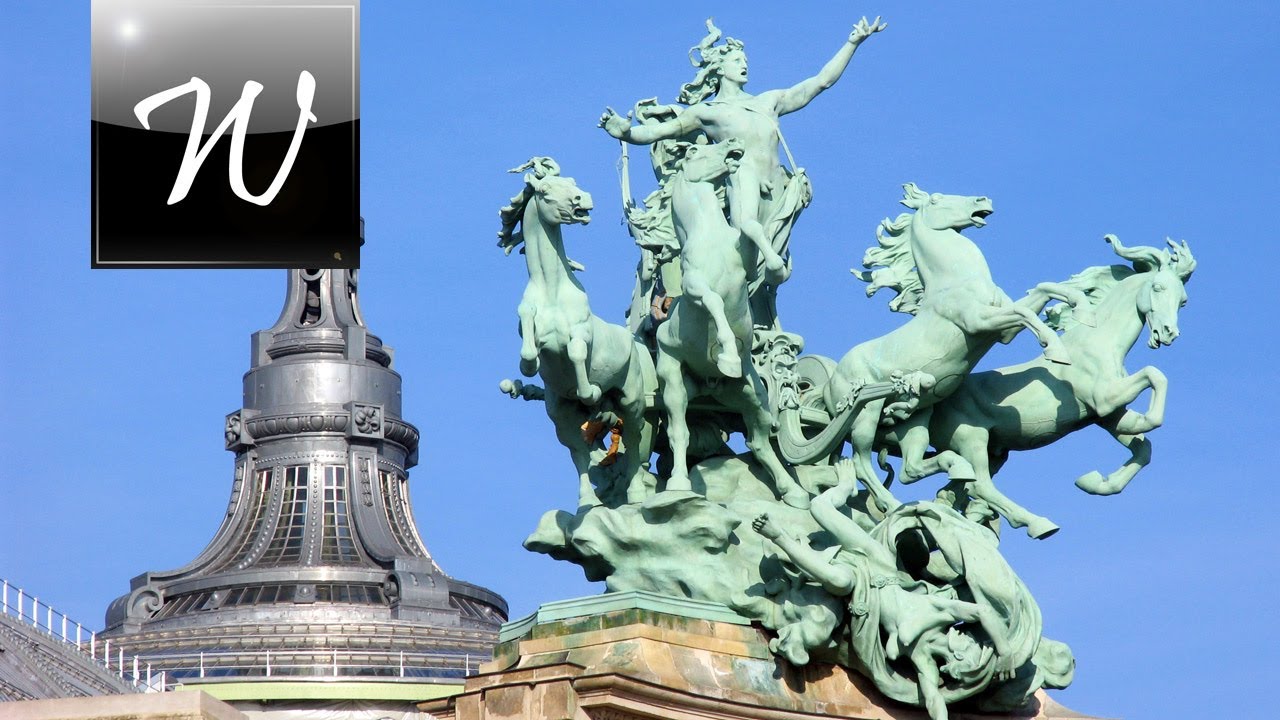
The Grand Palais
The largest glass roof in Europe, open again after the biggest renovation in its history.
The building was built for the World’s Fair of 1900 and went through a complete renovation that was finished in time for the Paris Olympic Games. It has no permanent collection and is used for major exhibitions and events, so check what’s on before you decide to buy a ticket. Even if you don’t go in, it’s worth walking along the river side to look at the dome from outside.
-
My pick

The Musée Jacquemart-André
An entire private mansion from the late 19th century, preserved as it was, with its furniture and its collection.
Nélie Jacquemart (1841-1912) and Édouard André (1833-1894) were a collector couple who bought Italian and French art of the very highest order, and the house was left to the Institut de France to become a museum. What you get isn’t a set of galleries but a whole home, with a dining room, a music room and a bedroom. The house was recently renovated, and its café is one of the most beautiful in Paris.
More Attractions in the 8th Arrondissement Worth Knowing
These are places I haven’t written a separate article about yet, but if you’re wandering around the arrondissement, it’s worth knowing they’re there:
| The place | Address | Why stop there |
|---|---|---|
| Rue Royale | Between the Concorde and the Madeleine | One short street with Maxim’s, Ladurée, Christofle and a lot of history |
| Parc Monceau | 35 boulevard de Courcelles | An English-style park with a rotunda and classical columns, where my 8th arrondissement itinerary ends |
| The Église Saint-Augustin | 46 boulevard Malesherbes | A 19th-century church built on an iron frame, an engineering solution that came before the Eiffel Tower |
| The Musée Nissim de Camondo | 63 rue de Monceau | Another private mansion preserved as it was. Note: closed for renovation, with reopening planned for early 2027 |
| Palais de la Découverte | In the west wing of the Grand Palais | The beloved science museum of Paris, but closed for renovation since 2020. According to an announcement by Universcience in April 2026, it is scheduled to reopen in March 2027 |
| The Madeleine flower market | Place de la Madeleine | A flower market, not a food market, and a survivor of a large market that stood here in the 19th century |
Tours and Activities in the 8th Arrondissement You Might Enjoy
Show me more activities in Paris
And if you’re looking for attractions in the city’s other arrondissements, my Paris attractions page brings them all together in one place.
The Food Markets of the 8th Arrondissement of Paris
The 8th has two food markets, and neither is what you’d expect. The Madeleine market is the smallest market in Paris, less than seventy meters of stalls, and anyone who comes to it after the Marché des Enfants Rouges will be disappointed. The organic Batignolles market stretches along the central strip of the boulevard, so half of it actually belongs to the 17th arrondissement.
| The market | Address | Days and hours | Metro |
|---|---|---|---|
| The Madeleine market (Marché Madeleine, or Aguesseau) | Place de la Madeleine | Tuesday and Friday, 7:30 a.m. to 1:30 p.m. | Madeleine |
| The organic Batignolles market (Marché biologique des Batignolles) | 34 boulevard des Batignolles | Saturday only, 9:00 a.m. to 3:00 p.m. | Rome or Villiers |
If you’re looking for a real food market on a different scale, you’re better off leaving the arrondissement. On my markets page you’ll find the recommended markets in the city’s other arrondissements.
Walking Itineraries in the 8th Arrondissement of Paris
This is the strong side of this arrondissement: four itineraries take place here from start to finish, which is a high number for an arrondissement considered stately and quiet.
Itineraries That Take Place in the 8th Arrondissement
Itineraries That Pass Through the 8th and Other Arrondissements
Want all the itineraries I’ve written, by arrondissement and by theme? My Paris walking itineraries page brings them all together.
The History of the Champs-Élysées
The most famous avenue in the world was originally marshy fields outside the city, and its name comes from the Elysian Fields of Greek mythology. André Le Nôtre (1613-1700) designed it in the 17th century as an extension of the Tuileries Garden. What’s worth knowing before you go: the stretch between the Franklin D. Roosevelt metro station and the Arc de Triomphe is the most commercial and crowded, while the eastern part is surrounded by gardens and much quieter.
Read the full story of the Champs-Élysées
The Next Step in Your Trip
The 8th is bigger than it looks, stretching from the Concorde in the east to Parc Monceau in the north. If what interests you is the avenue itself and not the whole arrondissement, my Champs-Élysées page brings it all together. To the south the Louvre and the 1st arrondissement are waiting, and to the east the 2nd arrondissement.
And if you want to be ready in advance for every scenario, my complete Paris guide brings together everything I’ve learned over the years. Have a wonderful trip, and don’t forget to climb to the roof of the Arc de Triomphe (do it for me).
