

In short
- What’s there: the Musée de Cluny, the Panthéon, the police museum, the Sorbonne, Shakespeare and Company and Rue Mouffetard.
- Location: the Left Bank, across the river from the Louvre and the Île de la Cité.
- Good to know: the Musée de Cluny is closed on Mondays, and the police museum is closed on weekends.
- Food markets: three, Maubert, Monge and Port-Royal, and each one also opens on a weekend morning.
- Restaurants: six recommendations, most of them far from the tourist traps of Saint-Michel.
- Walking itineraries: two itineraries take place entirely inside the arrondissement, and six more pass through it.
- Who it suits: history lovers, and anyone looking for a central place to stay at a reasonable price.
The 5th arrondissement is also called the Latin Quarter, and the name doesn’t come from Italy: it comes from the fact that in the alleys around the Sorbonne people spoke Latin until the Revolution. It’s the oldest part of Paris in the most literal sense: Roman Lutetia stood here, and to this day you can see a Roman arena and baths from the 2nd century.
The bohemians of the 1950s moved out long ago, and the arrondissement has become one of the most expensive in the city. What remains is the historical weight: the most important museum of the Middle Ages in France, the Panthéon where the nation’s great figures are buried, the most famous bookshop in the city, and three food markets, more than in any other arrondissement I’ve written about so far.
So before we set off, here is what you’ll find on this page: first the hotels and apartments I recommend in the arrondissement, then the attractions and museums one by one, the restaurants I send people to, the three food markets with their days and hours, and finally the walking itineraries that pass through here.
Recommended Hotels in the 5th Arrondissement of Paris
The Latin Quarter is a very safe bet for a place to stay: central, across the river from the Louvre, and with lots of food at student prices left over from the days when this really was the students’ quarter. If you’re not sure what suits you, answer three questions and I’ll pick from my recommendations:
My personal pick
Which hotel in the 5th arrondissement suits you?
One short question, and I will pick out of the places I already checked and wrote about on the site the ones that fit the trip you are planning.
One moment, I am going over my recommendations to find what fits you…
Prefer to go through all my recommendations yourself, with photos and details on every hotel? Here is my page of recommended hotels in the 5th.
Recommended Apartments in the 5th Arrondissement of Paris
With three food markets in one arrondissement, an apartment with a kitchen is a particularly good idea here. Here too, you can let me choose:
My personal pick
Which apartment in the 5th arrondissement suits you?
One question about the area, and I will filter the apartments I checked and wrote about on the site. The apartments I recommend directly get booked very fast, so I added excellent Booking.com apartments that I hand-picked for my readers.
One moment, I am going over my recommendations to find what fits you…
Want to go through all the apartments I recommend, with photos and details? Here is my page of recommended apartments in the 5th.
Attractions and Museums in the 5th Arrondissement of Paris
These are the sites I recommend in the 5th, from the museums to two streets that are attractions in their own right.
-
Must see

Musée de Cluny
The museum of the Middle Ages in Paris, in a building that is itself one of the oldest in the city, and to me one of my favorites.
The museum sits in the Hôtel de Cluny and on top of Roman baths that survived from Lutetia, so the building itself is an exhibit. The two works everyone comes for are The Lady and the Unicorn tapestries and the statues of the Kings of Judah from the facade of Notre-Dame. The statues disappeared during the Revolution and everyone assumed they had been destroyed, until they were found buried under a building in the 9th arrondissement.
-
Must see

Panthéon
The secular mausoleum of the great figures of the French nation, from Voltaire (1694–1778) and Jean-Jacques Rousseau (1712–1778) to Victor Hugo (1802–1885) and Émile Zola (1840–1902).
The building was originally built as a church in honor of Saint Genevieve, and the Revolution turned it into a mausoleum for the nation. Anyone who goes down into the crypt discovers that the list changed with the country: figures were brought in and taken out according to the political mood. In the middle of the hall hangs Foucault’s pendulum, with which Léon Foucault (1819–1868) first demonstrated the rotation of the Earth. On your way, don’t miss the Saint-Étienne-du-Mont church next door.
-
Free entry
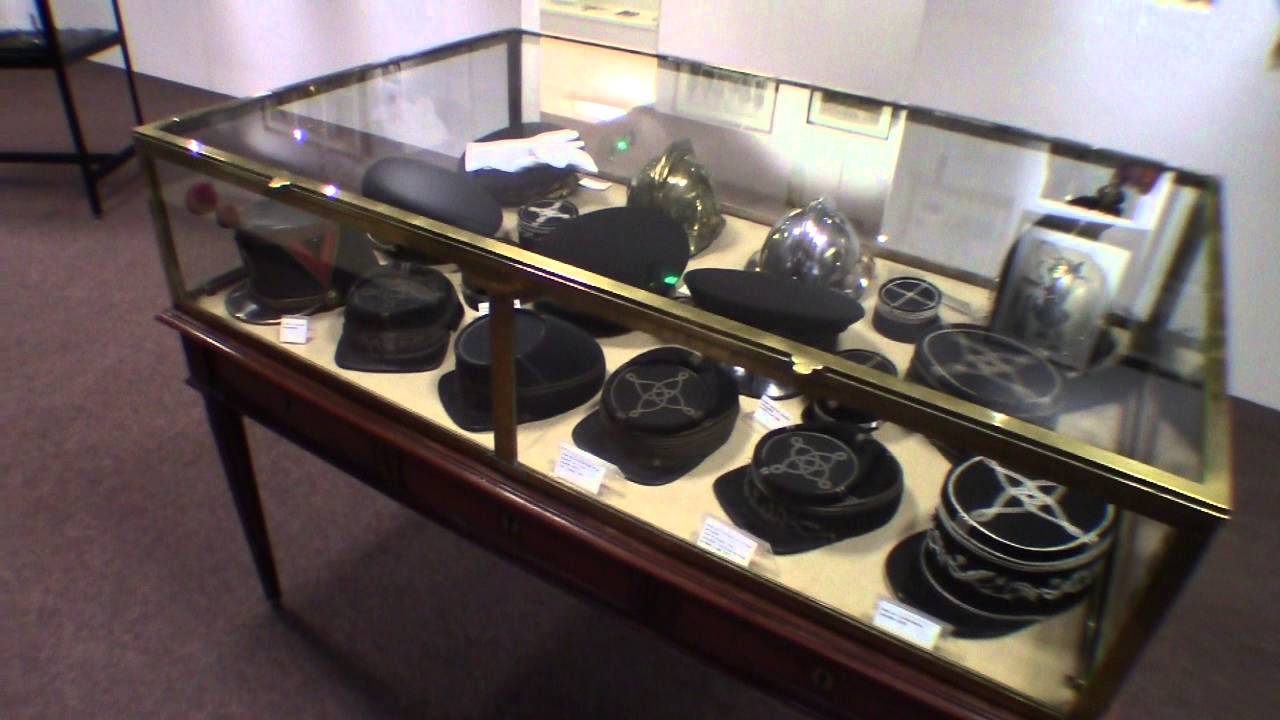
Musée de la Préfecture de Police
One of my secret museums in Paris, and entry is free.
The museum tells the story of the Paris police and its fight against crime, and it’s on the third floor of a working police station, which makes the visit a strange experience in itself. On display are 18th-century uniforms, original case files from famous crimes, and a guillotine blade. It’s not a museum for small children.
-
Free entry

Shakespeare and Company
The English-language bookshop across from Notre-Dame, and the most photographed spot in the Latin Quarter.
The current shop was opened in 1951 by George Whitman (1913–2011), and it isn’t the original shop of Sylvia Beach (1887–1962) from the 1920s, but a successor that adopted the name. Upstairs there are beds where thousands of penniless writers have slept in exchange for working in the shop. Note that the line outside can be long, and that taking photos inside isn’t allowed.
-
Outside only

La Sorbonne
The university that gave the quarter its name, and its building is worth a stop even from the outside.
The Sorbonne was founded in the 13th century and became the most important center of theology in Europe, and in the 20th century its name became tied to something completely different: the student uprising of May 1968. The building is a working place of study and not a tourist site, so entry is limited to organized tours. What you can do is see the square, the facade and the domed Sorbonne chapel, and sit in the cafés around it.
-
Food street

Rue Mouffetard
One of the oldest streets in Paris, and today a pedestrian street of food stalls from bottom to top.
The street runs along the side of the hill, from Place de la Contrescarpe down to the Saint-Médard church. The lower part is a market of stalls, bakeries and cheese shops, and the upper part is quieter and full of small cafés. Shani Vedauker wrote a personal article about this street on the site, from the point of view of someone who lived there.
More Attractions in the 5th Arrondissement Worth Knowing
These are places I haven’t written a separate article about yet, but if you’re walking around the arrondissement it’s worth knowing they’re there:
| The place | Address | Why stop there |
|---|---|---|
| Jardin des Plantes and the Natural History Museum | 57 Rue Cuvier | A huge botanical garden with greenhouses, the Grande Galerie de l’Évolution and a small zoo. Entry to the garden itself is free |
| Grande Mosquée de Paris | 2 bis Place du Puits-de-l’Ermite | A Moorish-style courtyard, and a tea room that serves sweet mint tea |
| Arènes de Lutèce | 49 Rue Monge | A Roman amphitheater from the 1st century, hidden in an inner courtyard, and entry is free |
| Institut du Monde Arabe | 1 Rue des Fossés-Saint-Bernard | A glass facade with mechanical light apertures, and a rooftop terrace with one of the best views of Notre-Dame |
| Saint-Étienne-du-Mont church | Place Sainte-Geneviève | Its steps are familiar from a film by Woody Allen (born 1935), and inside is the only rood screen still preserved in Paris |
| Saint-Séverin church | 1 Rue des Prêtres-Saint-Séverin | A Gothic church with a twisted pillar that looks like a palm tree, in the heart of the quarter’s alleys |
| Val-de-Grâce | 1 Place Alphonse-Laveran | A Baroque church built by Anne of Austria (1601–1666) in thanks for the birth of Louis XIV, and few people make it there |
Tours and Activities in the 5th Arrondissement You Might Enjoy
Show me more activities in Paris
And if you’re looking for attractions in other arrondissements of the city, my Paris attractions page brings them all together in one place.
My Recommended Restaurants in the 5th Arrondissement of Paris
The Latin Quarter is an arrondissement where you need to know how to choose a restaurant. The streets around Saint-Michel are full of tourist restaurants with menus in eight languages, and those are exactly the ones to stay away from. These are the places I send people to:
| The restaurant | Type | Address | Why |
|---|---|---|---|
| La Table de Colette | French classic | 17 Rue Laplace | Modern cooking with a focus on the seasons and on reducing waste, right above the Panthéon |
| Au Bon Coin | French classic | 21 Rue de la Collégiale | A neighborhood bistro with no tourist pitch, in the south of the arrondissement |
| Bistro des Lettres | French classic | 52 Boulevard Saint-Germain | Right on the boulevard, and still it keeps its standards and reasonable prices |
| Chez Gladines | Basque | 44 Boulevard Saint-Germain | Basque cooking in big portions at low prices. No reservations, you wait |
| Respiro | On the radar | 18 Rue Maître-Albert | A small restaurant on a side street near the river, a place that got onto my radar and is still there |
| Au Moulin à Vent | On the radar | 20 Rue des Fossés-Saint-Bernard | A bistro that specializes in meat, with a decor that hasn’t changed in a long time |
Looking for restaurants in other arrondissements? My page of recommended restaurants is organized by type of cuisine and by arrondissement.
The Food Markets of the 5th Arrondissement of Paris
Three municipal food markets operate in the 5th, more than in any other arrondissement I’ve written about so far, and all of them are open-air morning markets. Note one thing that changes the planning: each of them also opens on a weekend morning, Maubert and Port-Royal on Saturday and Monge on Sunday, until 2:30 p.m.
| The market | Address | Days and hours | Metro |
|---|---|---|---|
| Marché Maubert | Place Maubert | Tuesday and Thursday 7:00 a.m. to 1:30 p.m., Saturday 7:00 a.m. to 2:30 p.m. | Maubert-Mutualité |
| Marché Monge | Place Monge | Wednesday and Friday 7:00 a.m. to 1:30 p.m., Sunday 7:00 a.m. to 2:30 p.m. | Place Monge |
| Marché Port-Royal | Boulevard de Port-Royal | Tuesday and Thursday 7:00 a.m. to 1:30 p.m., Saturday 7:00 a.m. to 2:30 p.m. | Port-Royal |
And if you’re in the arrondissement on a day when the markets are closed, Rue Mouffetard does the job almost every day, with stalls and permanent shops along the pedestrian street. On my markets page you’ll find the recommended markets in the rest of the city’s arrondissements.
Walking Itineraries in the 5th Arrondissement of Paris
I’ve split the itineraries in two: those that take place entirely inside the arrondissement, and those that pass through it and continue. Note that most of the itineraries in the second group cross into the 6th, because Boulevard Saint-Germain is the border between them and it doesn’t stop anyone.
Itineraries That Take Place in the 5th Arrondissement
Itineraries That Pass Through the 5th and Other Arrondissements
Want all the itineraries I’ve written, by arrondissement and by theme? My page of walking itineraries in Paris brings them all together.
The History of the Latin Quarter
This is the place with the longest history in Paris, more than two thousand years. It begins with Roman Lutetia, which left behind the arena and the baths at Cluny, and continues with the birth of the university in the 13th century. That’s also where the name comes from: the students studied and spoke Latin there. The story ends with the student uprising of 1968, after which many of the faculties were moved out of central Paris.
Read my full article on the history of the Latin Quarter
The Next Step in Your Trip
The 5th is part of the Latin Quarter, but not all of the Latin Quarter. If you’re looking for the identity of the neighborhood and not the administrative map, my Latin Quarter page brings it together, and the history of the quarter from Lutetia to the student uprising is waiting in a separate article.
And if you want to be ready ahead of time for every scenario, my complete Paris guide brings together everything I’ve learned. Have a wonderful trip, and don’t forget to walk up Rue Mouffetard for me.
