

One of the most common reactions I get since we moved to Versailles a few years ago is surprise that this is a place where people actually live, not just a palace. When people think of Versailles, the first image that comes to mind is the royal palace, with the Hall of Mirrors and the endless gardens of Versailles.
But beyond the palace, Versailles is a town with a fascinating historical story that begins well before the age of splendor under Louis XIV.
So just for a bit of background: I’m Tom Shlomoni, 42 years old, married with two kids, and in late 2021, during the tail end of the COVID era, we moved to Versailles. Actually, it might be more accurate to say we ended up in Versailles by chance, since we came to France in the first place for my studies at HEC Paris, which, despite its name, is actually located in a small town called Jouy-en-Josas, about 20 kilometers from Paris. More importantly, it sits right next to Versailles, so we found ourselves in the town almost by accident, and fell in love with it. Probably because we wanted to experience classic Europe, and there’s really nothing more classic than Versailles (except maybe Vienna, but I haven’t been there yet).
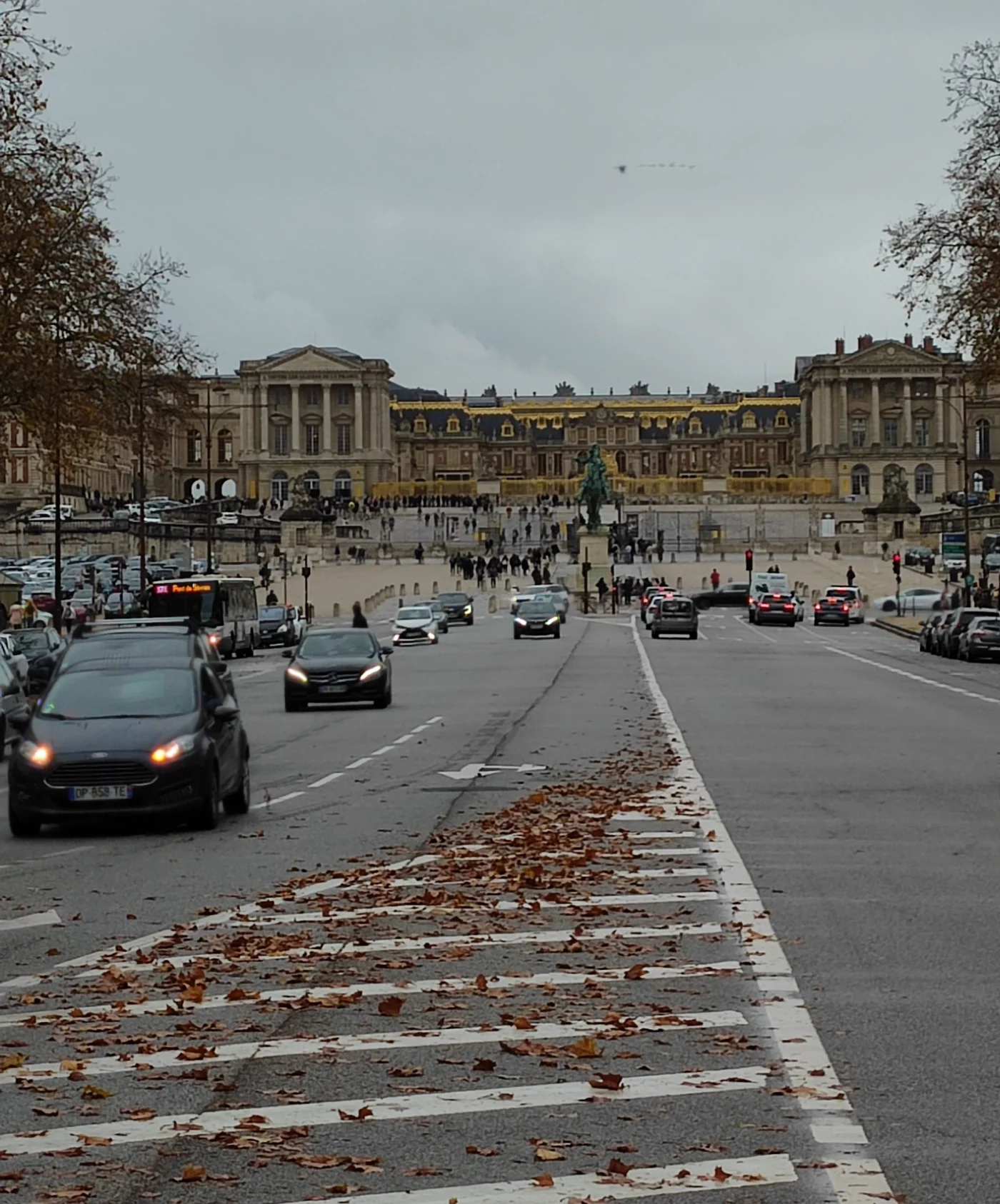
And back to the town: the story of Versailles is a story of extreme twists and turns, a town that is anything but a straight line of progress: from a modest, utterly unremarkable farming village to the true capital of France, from a royal power center to the cradle of revolution, and from an abandoned town to one of the most important heritage sites in the world.
Humble Roots: A Village on the Road of Farming and Hunting
The story begins even before anyone could have imagined grand palaces here. In 1038, the name “Versailles” appears for the first time in ancient manuscripts. The word comes from the Latin “versare,” a term that described cultivated fields and farmland. The place began its life as a small, modest village, surrounded by fields and forests.
In the 13th century, the village was known mainly for its strategic location on the road from Paris to Dreux and Normandy. Huge herds of cattle passed through the village on their way from Normandy to the slaughterhouses of Paris, and the village benefited from the commercial activity. The surrounding forests were another reason for its importance, since they were full of wild game that the French nobility loved to hunt.
And that was the first turning point in the history of Versailles. In 1623, on the advice of one of his ministers who used to hunt in the area, Louis XIII (r. 1610-1643) decided to build a modest hunting lodge here. So modest, in fact, that one of his ministers described the place as unfit for royalty.
In 1631, Louis XIII decided to rebuild the place more seriously. The work was completed in 1634 and laid the foundations for what later became the mighty palace we know today. At the time, the palace was only about a quarter of its modern size.
Louis XIV and the Royal Dream
The real revolution began with his son, Louis XIV, the “Sun King.” In his youth he experienced a trauma that shaped his future: during the civil wars, he was forced to flee Paris. The experience left him with a deep fear of the city and of the Parisian crowds. Versailles was far enough away to feel safe, yet close enough to rule the kingdom.
The event that sealed his choice took place in 1661, when he attended a lavish party at the Château de Vaux-le-Vicomte, home of the finance minister Nicolas Fouquet (1615-1680). The stunning gardens of the château were designed by André Le Nôtre (1613-1700), and Louis was captivated. He wanted something bigger, more impressive, something that would turn Versailles into the center of the world.
Louis “stole” not just the idea for the gardens, but also the team: Le Nôtre for the gardens, the architect Louis Le Vau (1612-1670) for the construction, and the painter Charles Le Brun (1619-1690) for the decorations.
From 1661 on, Versailles became a massive construction site. The problem was that the land was swampy, with no water and no trees. Le Nôtre drained the swamps, moved thousands of tons of earth, and planted an enormous number of trees. He created huge canals, stunning ponds, and impressive fountains, and designed the “Avenue de Paris,” the widest boulevard seen in Europe up to that point.
In 1682, Louis took the dramatic step of moving the entire royal court and the French government from Paris to Versailles. This wasn’t just a physical move, it was a declaration of intent. Versailles became the political, cultural, and social center of all of Europe.
A Whole Town, Carefully Planned
But Versailles wasn’t just a palace, it was an entire town planned down to the last detail. It’s one of the best examples of planned urban design in the 17th century. The streets and avenues cut across at precise angles, the buildings were built in a uniform style, and every detail followed a strict aesthetic.
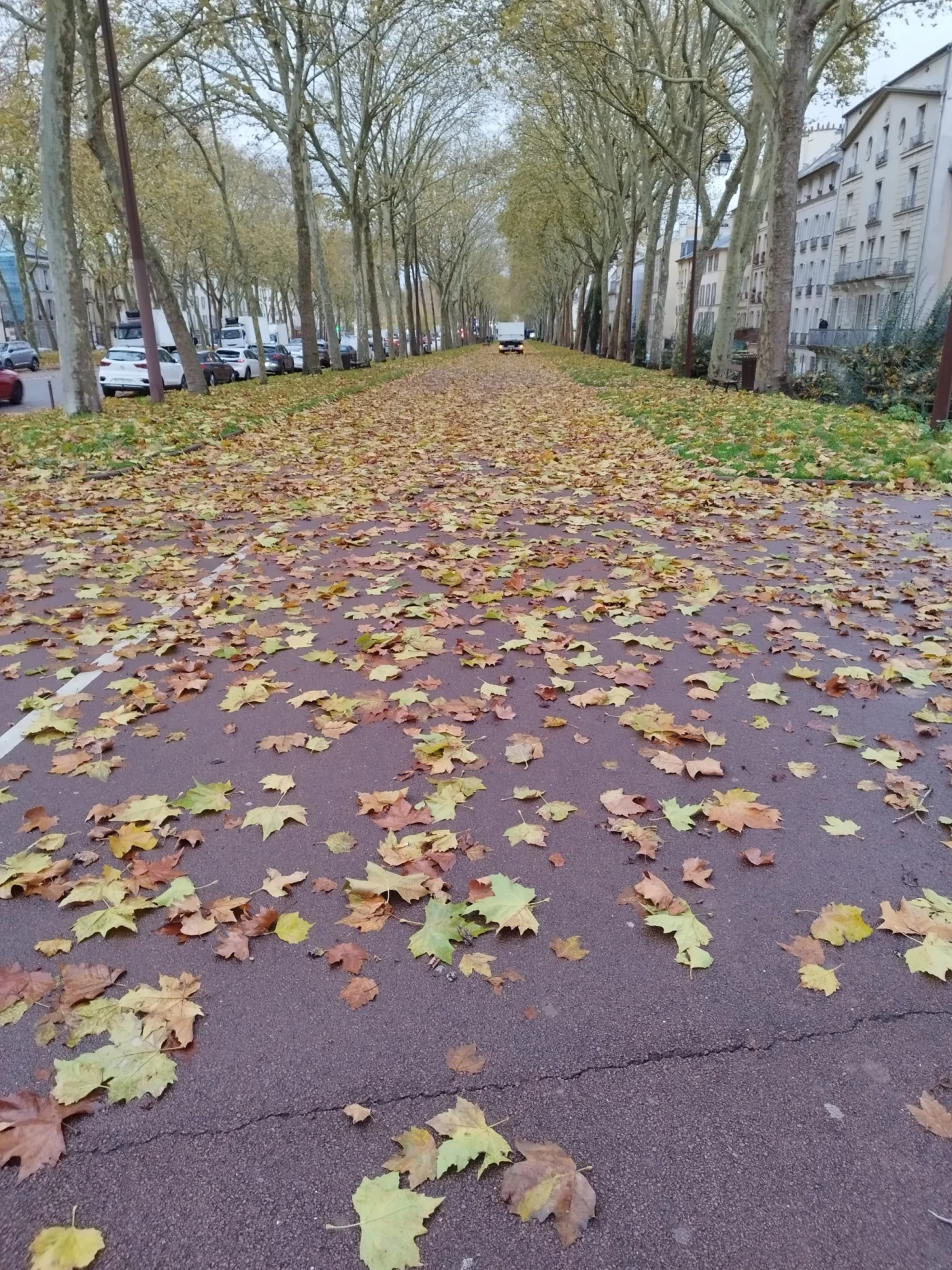
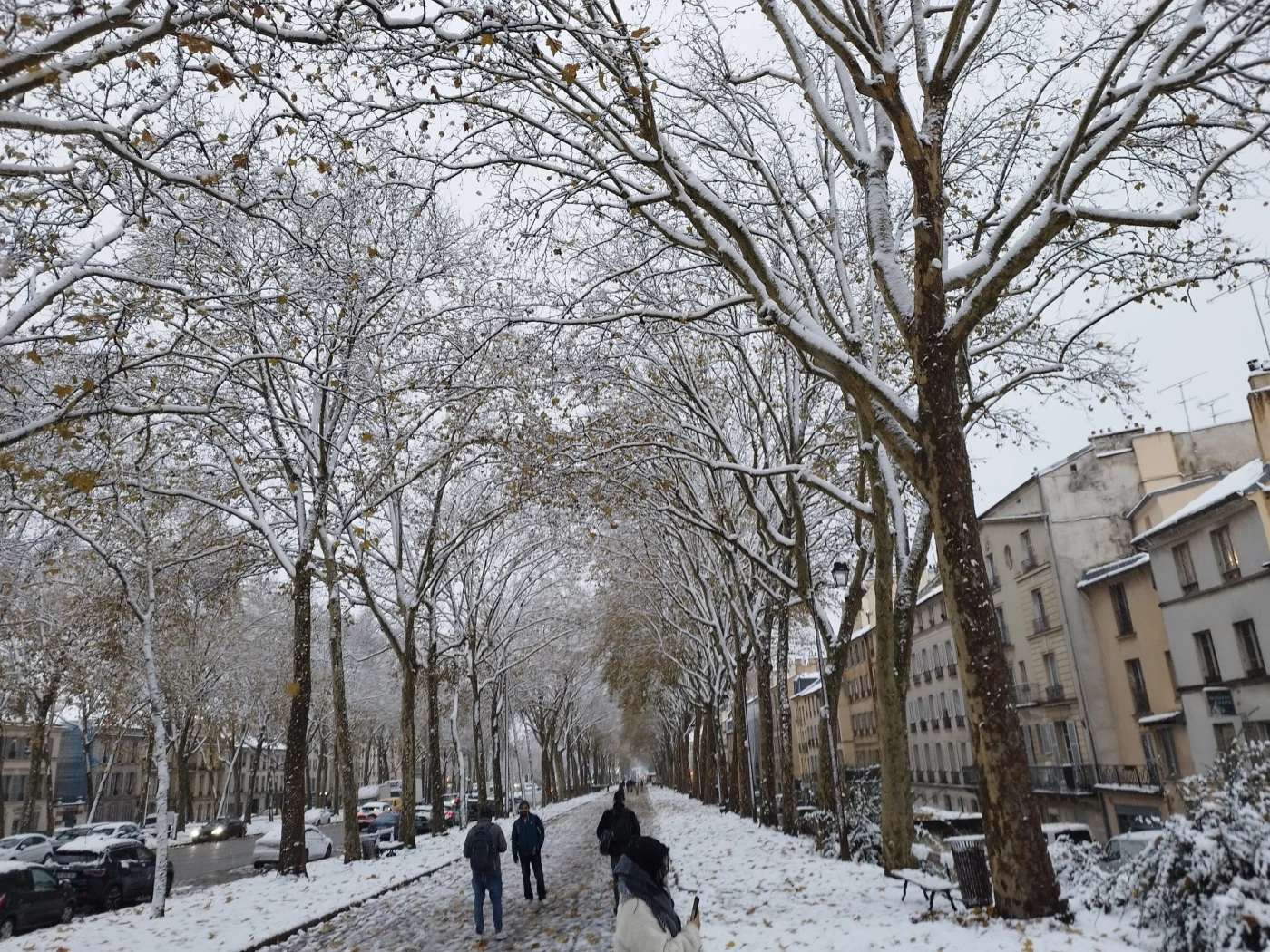
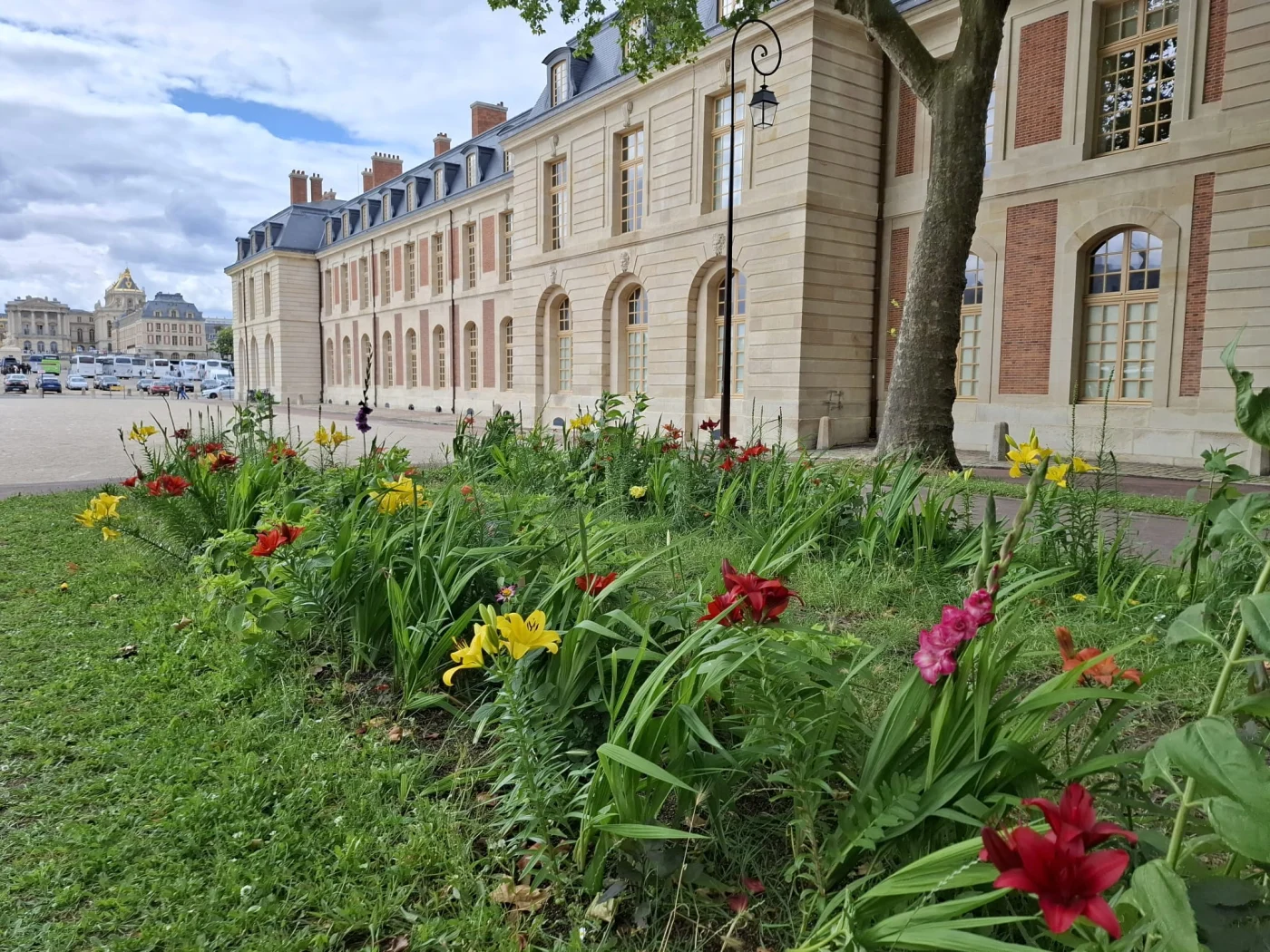
Between 1679 and 1682, the brilliant architect Jules Hardouin-Mansart (1646-1708) built the royal stables, two identical monumental buildings standing on either side of the Avenue de Paris, facing the palace. This was part of the symmetrical construction of the area closest to the palace.
The two buildings are identical in size, but their roles differed: the Grande Écurie housed the king’s riding horses, trained hunting and war horses. The Petite Écurie housed the work horses, around 380 horses that pulled carriages, sleighs, and every kind of royal vehicle. At the height of Louis XIV‘s reign, about 1,500 people worked in the stables, housing more than 2,000 horses. One of his contemporaries wrote in amazement: “Any prince in Europe would have made this his palace, but these were just the stables of the king of France!”
In 1671, Le Vau, the same architect who designed part of the palace, also designed the Queen’s Stables. They were originally meant for the king’s horses, but from 1682 they were handed over to the queen’s use. It was right here, in these very stables, that Marie Antoinette (Marie Antoinette 1755-1793) would ride in a “masculine” style that raised more than a few eyebrows at court. She loved riding with one leg on each side of the horse, rather than the “feminine” style of the time, in which both legs were on the same side. Riding was her way of escaping the rigid protocol of the court, a moment of freedom in which she could simply be herself.
Between 1761 and 1762, the Ministry of Foreign Affairs and Navy building was constructed, a monumental structure with a magnificent reception gallery, where diplomats from across Europe were received. Today it houses the town library, with more than 700,000 historical documents and books.
But We Didn’t Come Just for the Kings
While Louis XIV built the royal infrastructure, and the common thread among the names associated with the town is “Louis,” you can also look at the history of the town (and the kingdom) through a different lens, one full of influential women, each in her own way, who left an unforgettable mark on Versailles.
Madame de Pompadour (1721-1764), for instance, was not just the mistress of Louis XV (r. 1715-1774); she was his chief advisor, even once she was too ill to be his lover, his patron of the arts, and the woman who shaped the aesthetic taste of all of France in the mid-18th century.
The house built for her in 1752, in the delicate, elegant Rococo style, reflects her personality. Madame de Pompadour was an educated woman who loved art and culture, who influenced important political decisions and supported artists, playwrights, and philosophers. She was the patron of Voltaire (1694-1778), of Denis Diderot (1713-1784), and of the French Encyclopédie.
We started with the mistress, but for there to be a mistress, there also has to be a “legitimate” wife. For Louis XV, that was his queen, Marie Leszczyńska (1703-1768), daughter of the king of Poland, who married the king of France when he was still a boy, remained married to him for the rest of their lives, and bore him 10 children.
In 1767, she too broke new ground and decided to found an educational institution for young girls. While there was already one high school for girls in France, intended for daughters of the nobility and located in a town near Versailles, this institution was intended for girls of the “Third Estate,” at a time when educating women was considered a luxury at best. The queen, a devout and dedicated woman, saw great importance in educating girls, especially those from the lower classes.
She commissioned the architect Richard Mique (1728-1794), the same architect who later designed the Petit Trianon for Marie Antoinette, to design a grand building that would serve as a school for girls. The project was completed in 1772, producing an impressive structure that stood next to the Avenue de Paris. It was a typical royal charity project for the time, but also an expression of the understanding that education is the key to a better future.
The institution has gone through many changes since then, first serving as a military school under Napoleon, and today it’s the Lycée Hoche, one of the most highly regarded public high schools in France (and hopefully my daughters’ high school in two years). As for the name “Hoche,” we’ll get to that shortly, and even if you try, it will be hard to avoid it on a visit to France.
Just a few years later, in 1776, another woman contributed her own piece to the cultural mosaic of Versailles. Marguerite Brunet (1730-1820), known by the nickname “La Montansier,” was a 46-year-old theater entrepreneur who had already run theaters in several cities. She was a completely extraordinary woman for her time, an independent woman who managed to run theater businesses and become an influential theatrical producer at the royal court.
In 1777, her theater opened in Versailles, a magnificent building with a stunning blue and gold hall. The building, designed by the architect Jean-François Heurtier (1739-1822), quickly became a central cultural institution in the town. La Montansier maintained close ties with the royal family, especially with Marie Antoinette, and remained active in the world of theater even though she lived through the French Revolution and was even imprisoned for a time. She lived to age 90 and died in 1820.
And if you’d like, you can still buy tickets and watch plays and opera at the historic theater, which, while not especially grand from the outside, lets you experience theater today just as kings and nobles did 250 years ago.
Notre-Dame Church and a Historical Irony
Let’s go back in time a bit, so we can move forward again quickly. In 1684-1686, Notre-Dame Church in Versailles was built, becoming the official court church. The church, which strongly resembles other Notre-Dame churches and cathedrals, reflects the classic French style of the period, with an impressive, simple facade that was renovated in recent years and is now especially striking. This was the place where the king and the nobility prayed, and it symbolized the close bond between the crown and the church.
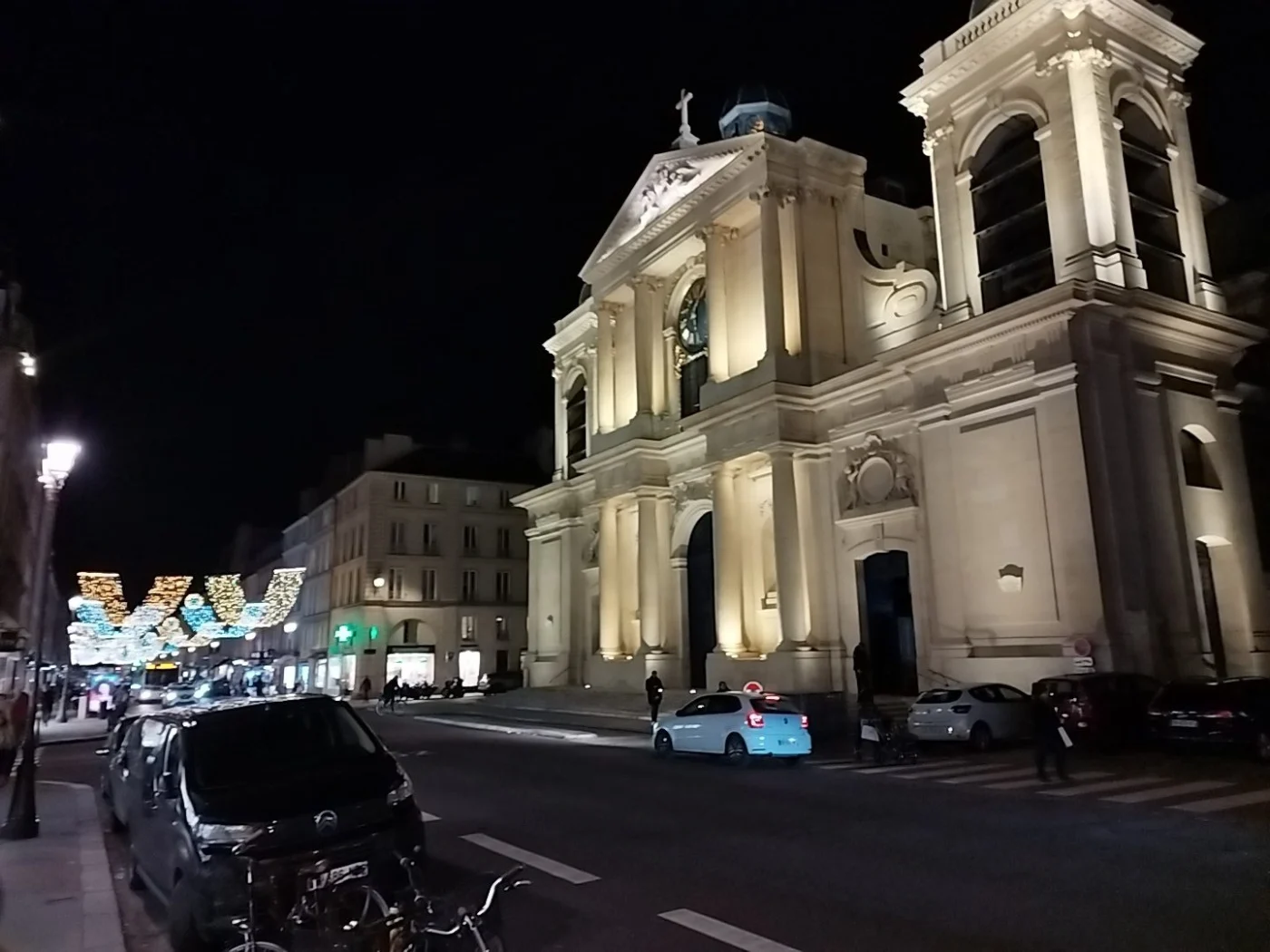
But its historical role carries a bitter irony. It was precisely from Notre-Dame Church, a symbol of the old order, that on May 4, 1789, the procession set out for the opening of the Estates-General convened by Louis XVI (r. 1774-1792). The event began as an attempt to solve an economic crisis, but it quickly spiraled into a revolution that destroyed the monarchy, when just a few months later members of the assembly gathered in the royal tennis court (Salle du Jeu de Paume) and declared the formation of the National Assembly, despite the monarchy’s attempt to prevent it.
It’s a stunning historical irony: the institution that symbolized royal authority and the deep connection between church and state became the starting point of the most radical change in French history. Just a few months after that procession, on October 5, 1789, the Women’s March on Versailles took place, in protest of the high price of bread and its scarcity. In response to this march came the famous quote attributed to Marie Antoinette, suggesting the women eat brioche instead of bread.
The royal family was forced to leave the palace and return to Paris. The population collapsed from 60,000 residents to just 25,000, and the town fell into a severe recession.
A Local Hero in a Time of Transition
Let’s step away from the historical timeline for a moment to mention the name Hoche, which you were asked to remember earlier. By the second half of the 18th century, the town was already home to tens of thousands of people, many of whom worked in service to the royal family: soldiers, guards, gardeners, and also stable keepers.
And to one of those stable keepers, a son was born in 1768, named Lazare Hoche (1768-1797). Lazare was born into a simple family, far from the magnificent palace and the life of the court, and when he was born, no one could have imagined that he would grow up to become a national hero, even though he lived less than 30 years.
In 1784, at age 16, Lazare enlisted in the army as a common soldier. That year, his career ceiling in the army was still very low, but the French Revolution, which broke out in 1789, changed all the rules. Thanks to extraordinary military talent, courage, and natural leadership, a path opened for him to rise quickly through the ranks of the republic’s army.
What made Hoche special wasn’t just his military talent but also his humanity. Unlike many other generals of the Revolution, who were cruel and merciless, Hoche was known for his humane approach. When Maximilien Robespierre (1758-1794) was overthrown in the summer of 1794 and the Terror ended, Hoche was one of the generals who opposed unnecessary violence.
The military achievement that made him a national hero came in 1795, when he led the French forces that successfully repelled a British invasion of Brittany. The British tried to exploit the chaotic internal situation in France and restore the monarchy, but Hoche repelled the invasion with impressive military skill. He didn’t just defeat the British, he also recruited local residents who had supported the monarchy, instead of executing or punishing them. This was a revolutionary approach for such a violent era.
Hoche became one of the youngest and most admired generals in France, and some say that had he not died young, he might have been the one to change French history instead of Napoleon. But at only 29 years old, in 1797, he died of tuberculosis. There’s also an unofficial theory, still argued today, that his death wasn’t natural and was connected to another (shorter) general who feared the competition.
As a national hero and a local son, about 10 years after his death a central square in town was named after him (until then called the Fountain Square), and in the mid-19th century a statue of Hoche was even placed in the square. As mentioned, a major high school in town is also named after him. Even outside Versailles, you’ll come across many avenues, streets, and squares named after the man who rose to heroism during a transitional period that made it possible, and who, in many ways, symbolizes the passage from monarchy to republic.
After the Revolution: A Fall Before the Rise
Versailles did lose its royal status after the French Revolution, but that’s not the end of the story, because its place in history didn’t end there. In 1837, King Louis-Philippe I (1773-1850) decided to bring the palace back to life and established a museum there dedicated “to all the glories of France.” This was a turning point: Versailles went from being a symbol of royal power to a symbol of national historical memory.
And later in the century, Versailles returned to a central role again, though not always under positive circumstances. After the town served as the Prussian headquarters during the siege of Paris, in 1871 the German Emperor Wilhelm I (1797-1888) was crowned in the Hall of Mirrors during the siege of Paris. Revenge for this, by the way, came nearly fifty years later, when in 1919 the “Treaty of Versailles” was signed to end World War I.
A decade later, in the 1880s, Versailles was once again crowned the capital of France for about a decade, when the government was forced to leave Paris during the Paris Commune. During this period, the current “department palace” (Hôtel de département) served as the residence of the presidents of France.
In the 20th century, the town gradually became part of the Paris metropolitan area, but kept its distinct character. In 1979, the Palace of Versailles and its gardens were registered as a UNESCO World Heritage Site, in recognition of their universal value to humanity.
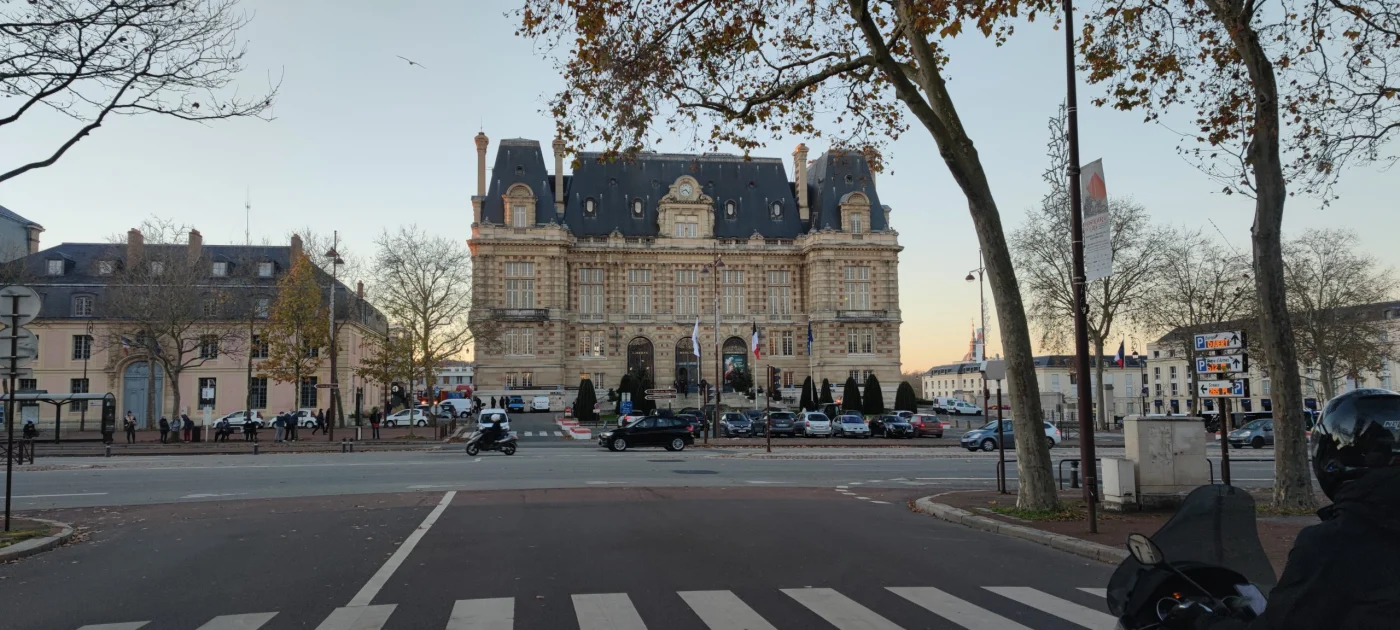
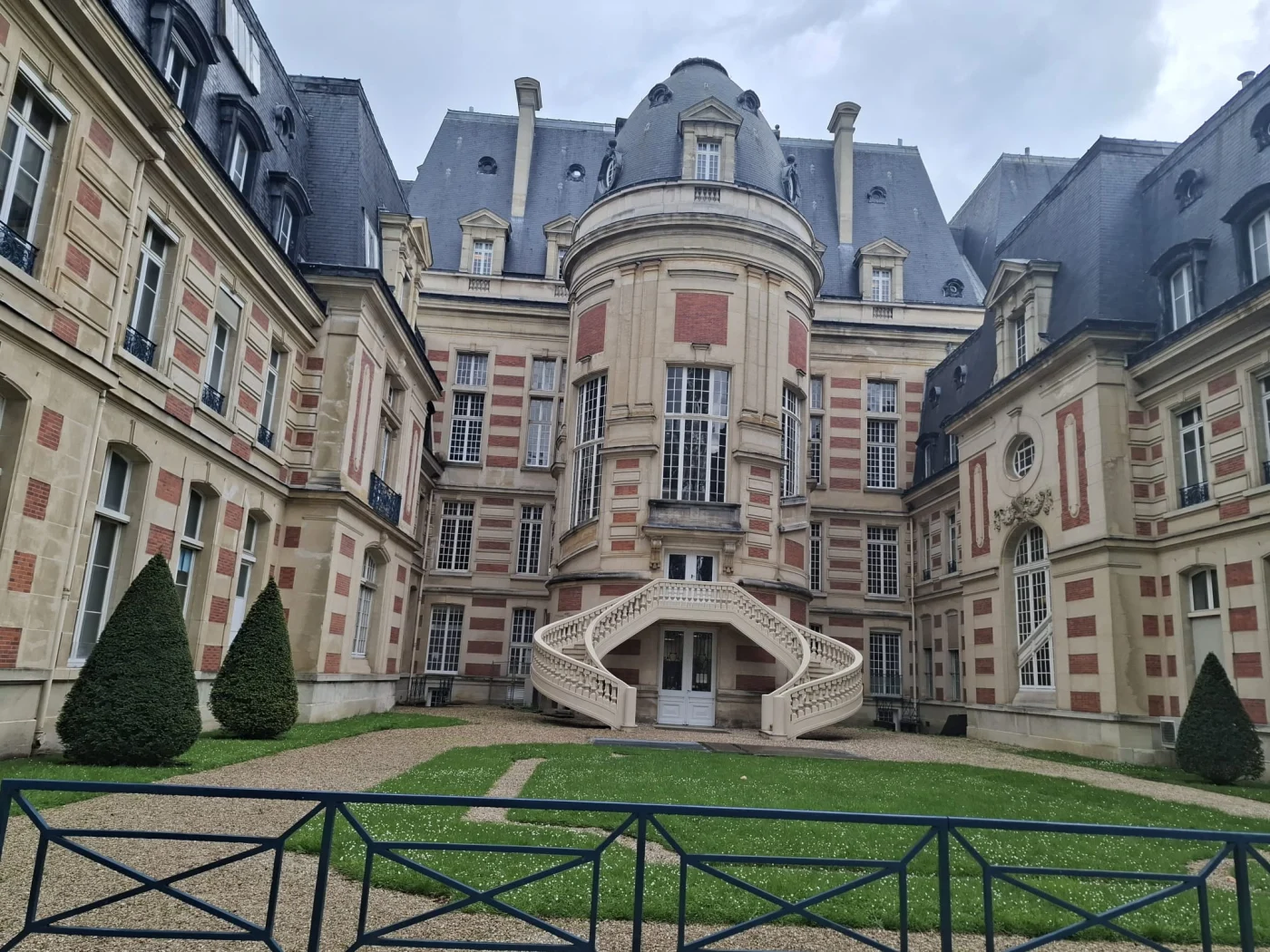
Versailles Today: The Town Beyond the Palace
Today, Versailles is a lively town of about 87,000 residents, serving as the capital of the Yvelines department. It carefully preserves its historical heritage, the old center has kept its bourgeois character, and the town continues to be a world tourism hub, with about 15 million visitors a year to the palace and gardens.
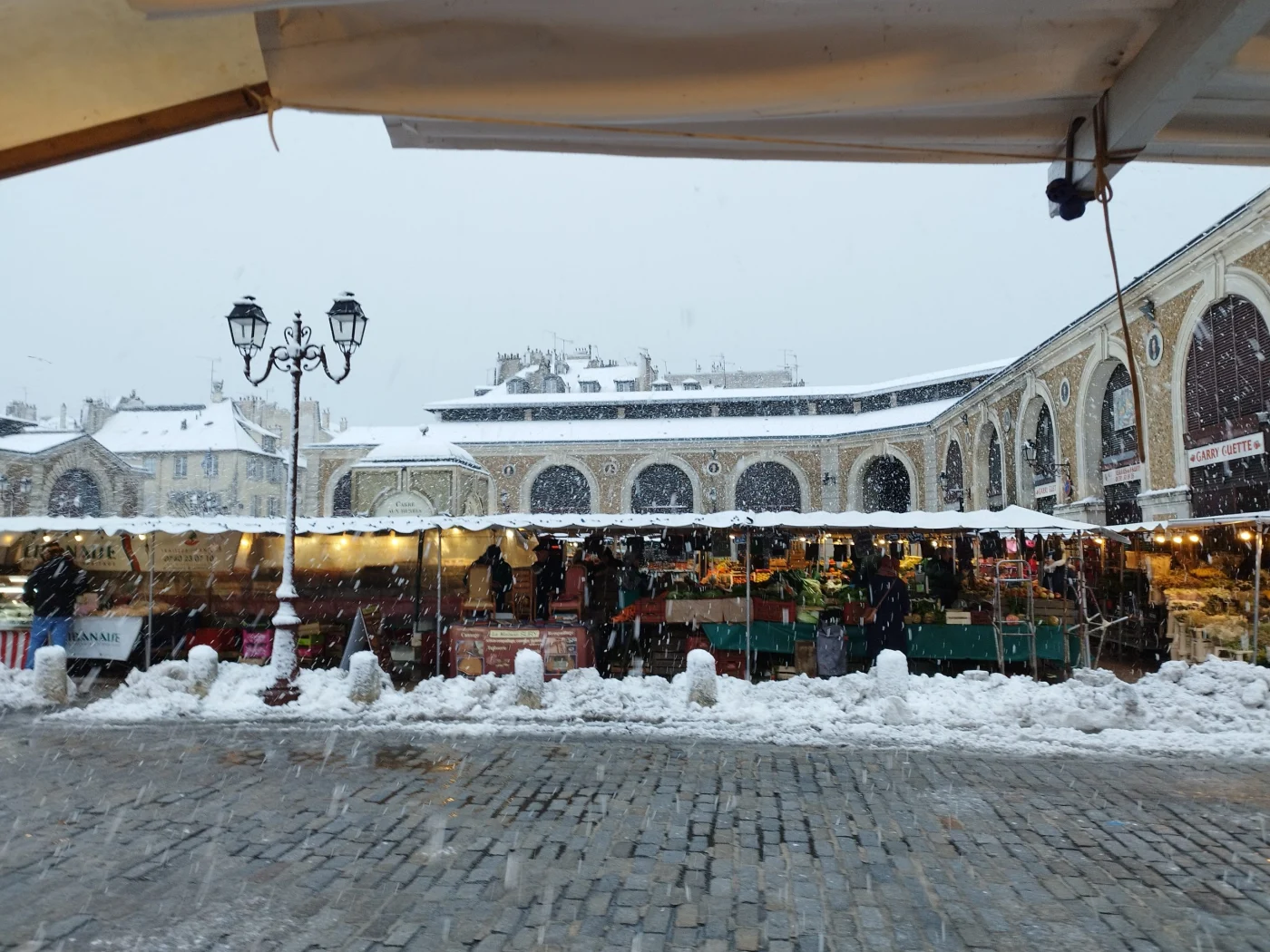
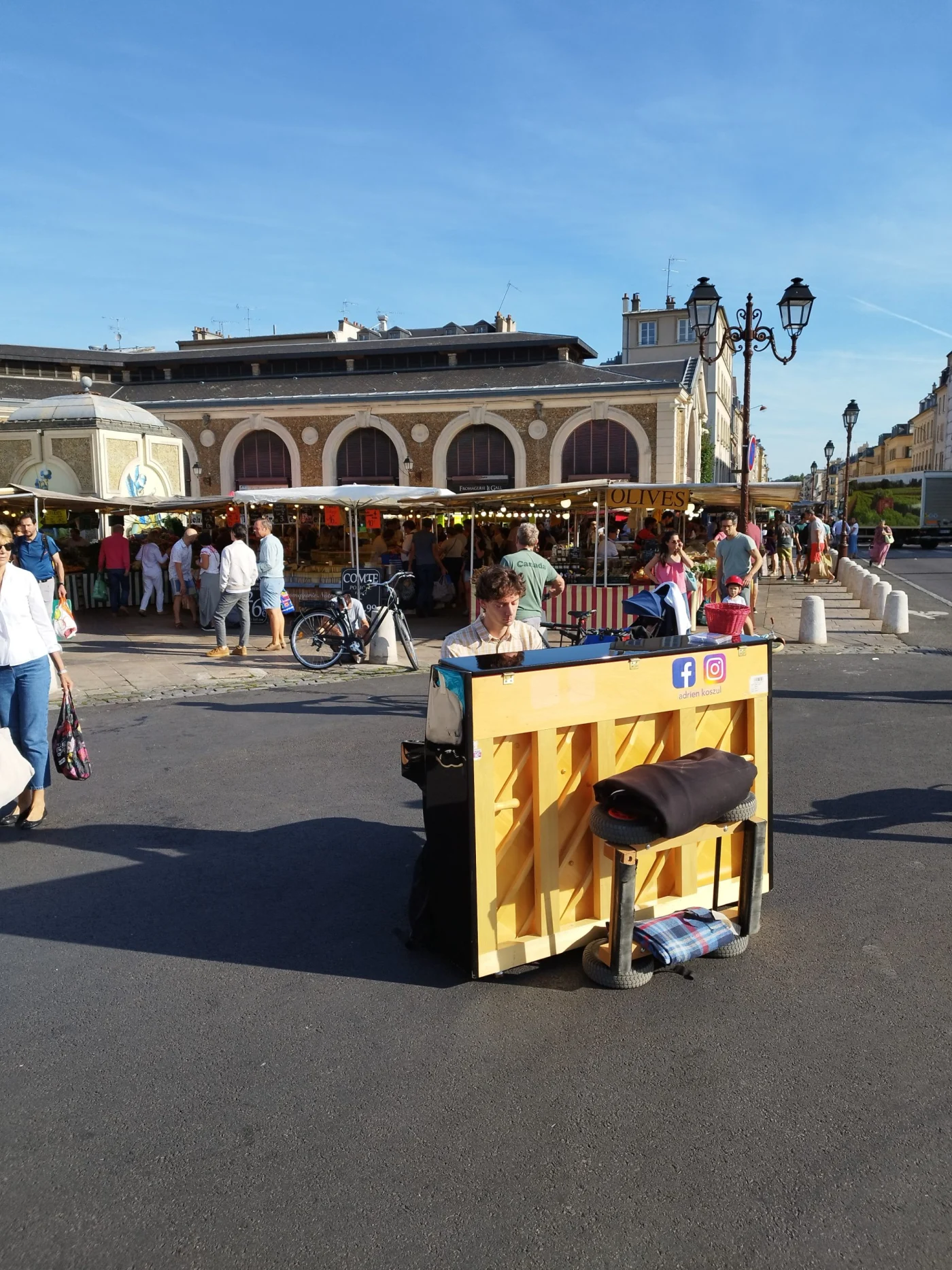
But beyond the magnificent palace, Versailles has plenty more to see: a bustling market, charming streets, and countless historical sites (I’ve told you about a few of them in this article) that are easy to miss. Every corner of town tells a different story about the struggles, dreams, failures, and successes of the people who lived here over hundreds of years.
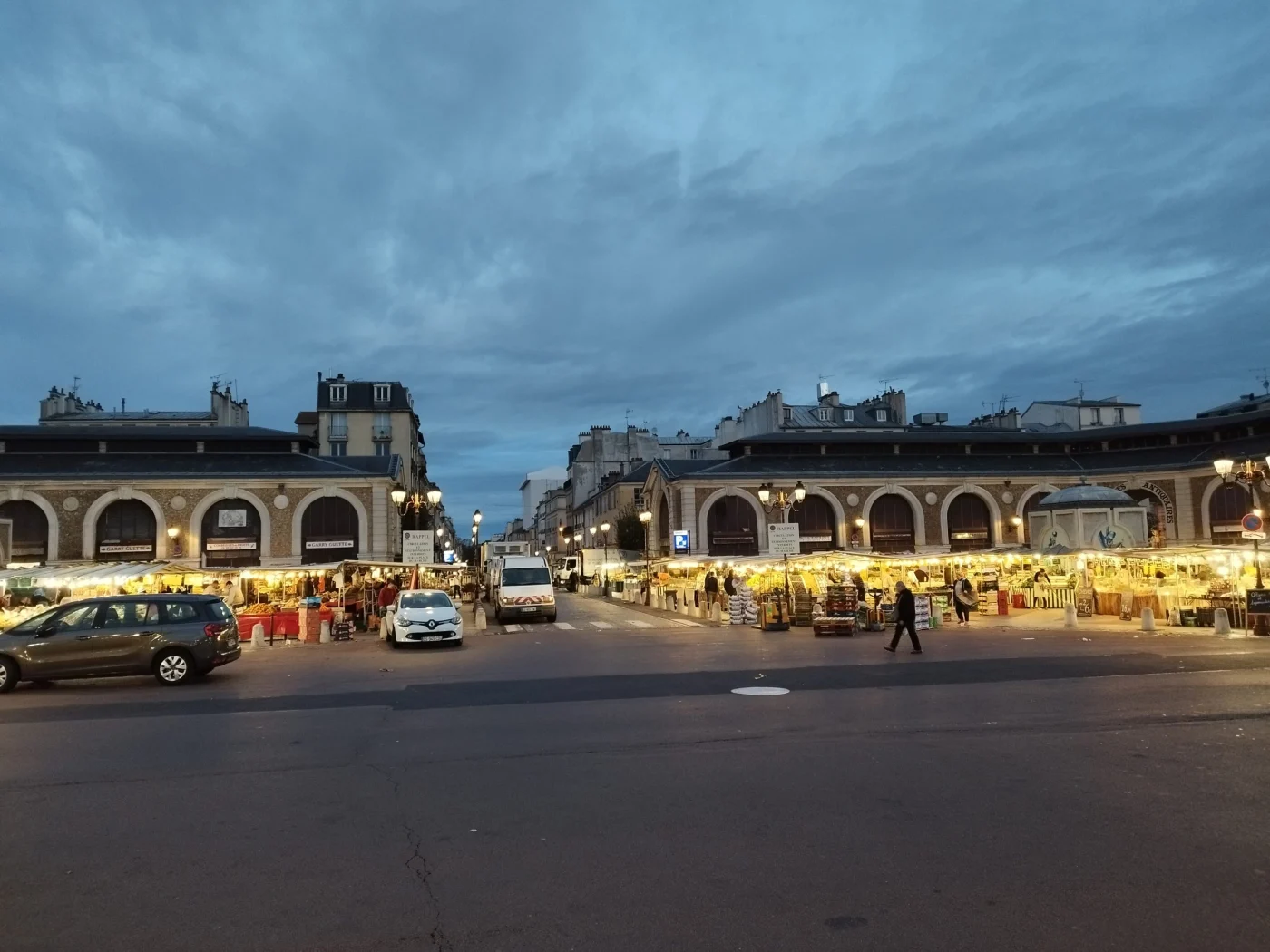
On a tour of the town, you can discover many of the sites I’ve mentioned here, plus plenty more, and understand how a town built as an expression of absolute power became a symbol of historic change, how royal splendor can exist alongside revolutionary memory, and how a single town can hold all the contradictions of French history.
From the small 11th-century village, through the magnificent palace of the “Sun King,” the remarkable women who shaped it, the local hero still alive in the town’s memory, to the modern, lively town of the 21st century: Versailles isn’t just a town. It’s a living, breathing story.
Want to discover these fascinating stories and the secrets hidden behind every building?
Join a guided tour of the town and discover the Versailles that lies beyond the famous palace.
Related reading