
In short
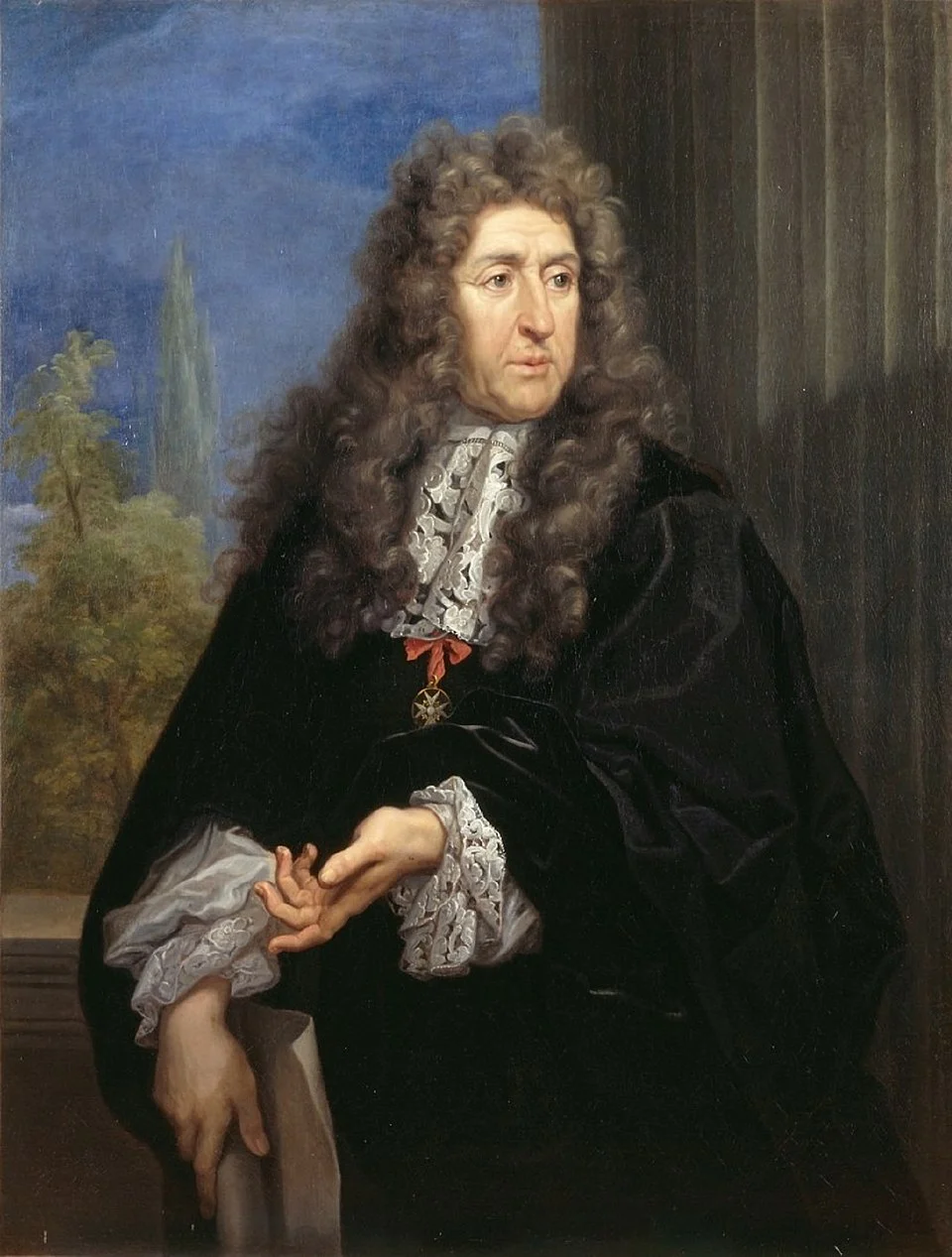
- What’s there: The gallery where fortresses were planned, with a model of the fortified town of Neuf-Brisach and Vauban’s breastplate, his study and bedroom, a garden plan signed by Le Nôtre, libraries of about 14,000 volumes and an inner courtyard restored to his plans.
- Status: A private château owned by the descendants of Vauban’s eldest daughter, a protected historic monument since 1994 and open to the public since 1997.
- Getting there: By car, 10 kilometers from Vézelay on the D958, or about two hours and 15 minutes from Paris on the A6. The closest convenient train station is Avallon.
- How long: About an hour for the château rooms, and about an hour and a half with the courtyard and the outside.
- When: Open every day from February to November 11, with no lunch break. In October, 9:30 a.m. to 5:00 p.m.
- Tickets: €12 for adults on a self-guided visit, €15 on a guided tour.
- Bonus: The village church holds Vauban’s tomb, and his heart has been at Les Invalides in Paris since 1808.
I hadn’t planned to visit Bazoches. The original plan was a trip to Beaune, but I didn’t feel like spending hours on highways, and on a whim I decided to drive to the château of Marshal Vauban (Sébastien Le Prestre de Vauban, 1633–1707) instead. I also had a personal reason: in Paris I was staying in Udi’s apartment on rue Saint-Roch, and right next to it, at the corner of rue de Rivoli, stood the house where Vauban died (the house itself was torn down when this street was cut through, and today a sign on the corner marks the spot). I wanted to close the circle and see where he had lived.
I visited the château on Friday, October 9, 2026, and spent the rest of the day with lunch at Le 1815 in Avallon and a visit to the basilica of Vézelay. I really enjoyed the visit, and I think Bazoches is a must for history lovers. It also fits nicely into one day with both of them. The château is only 10 kilometers (about 6 miles) from the hill of Vézelay, and from its salons you look straight out at the basilica.
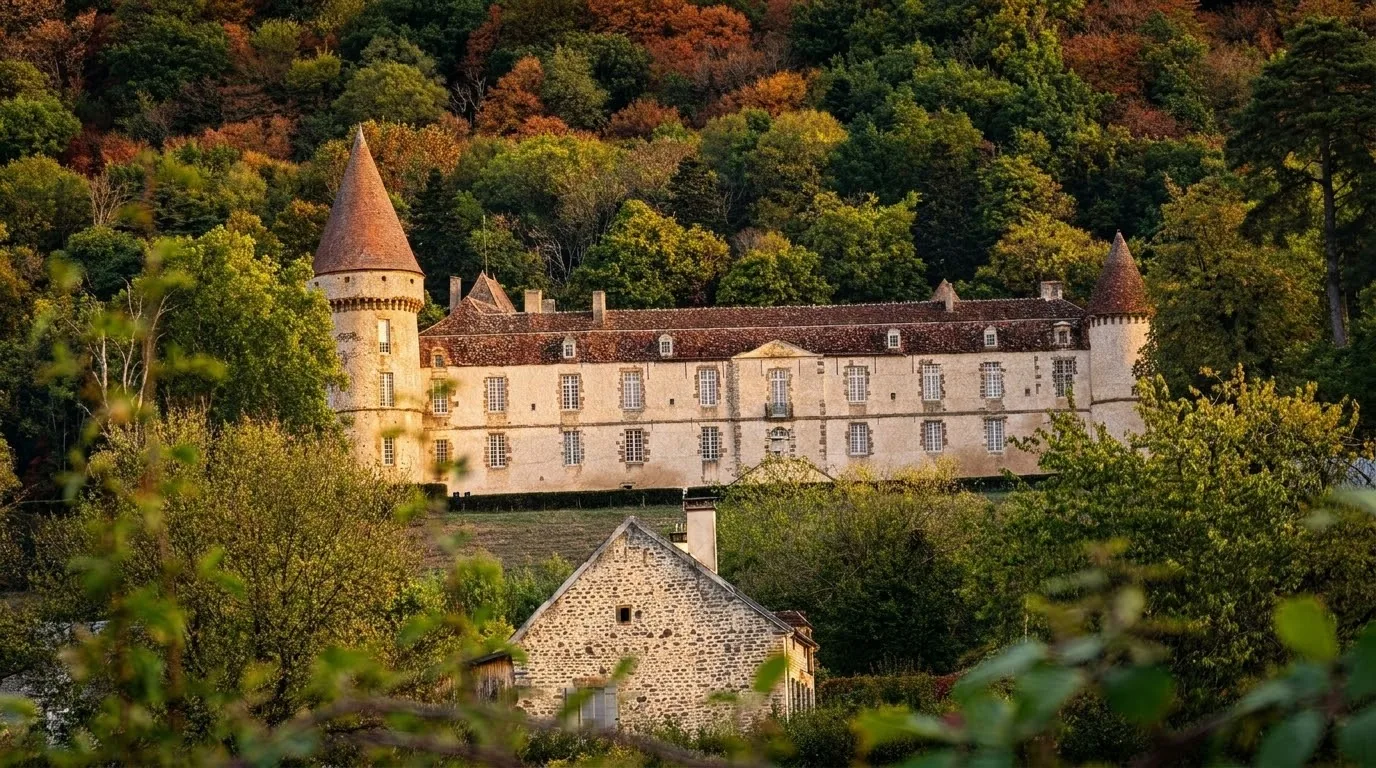
Bazoches is a private château and not one of the famous ones in Burgundy, but its story is unique: it was the home and the planning office of Vauban, the engineer who fortified the France of Louis XIV. If you’ve walked along the fortifications of Antibes, or seen the fort that one of his engineers built off Saint-Malo, you’ve already met his work. From here, mounted messengers carried fortress plans to every corner of the kingdom, here he wrote part of the book that brought the king’s anger down on him, and he is still buried in the village church today (except for his heart, but you’ll read that story later on). The château still belongs to his descendants.
So before we hit the road and visit Bazoches, let’s go over what you’ll find in this article. First comes the practical information: opening hours, how to get there, tickets and how much time to set aside. Then come the rooms you shouldn’t miss in the château and in the village church, and then the history of the place, from the 12th-century fortress, through Vauban and the book the king banned, all the way to the heart that Napoleon moved to Paris. At the end you’ll find recommendations for restaurants and hotels nearby, and answers to common questions about the visit.
By the way, Château de Bazoches was part of my Burgundy itinerary, where you’ll find every day of the trip, the hotels and the restaurants.
Practical information for visiting Château de Bazoches
Opening days and hours
Bazoches is open every day, with no lunch break, in a season that starts in February and ends on November 11:
- February 7 to March 31: 2:00–6:00 p.m.
- April 1 to September 30: 9:30 a.m. to 6:00 p.m.
- October 1 to November 11: 9:30 a.m. to 5:00 p.m.
In every period the last ticket is sold at the official closing time, and the château itself closes 45 minutes later. If you buy a ticket at the very last minute, you get less time than the hour it takes to go through the rooms, so it’s better to arrive earlier.
For late 2026, special openings were also scheduled, from 10:00 a.m. to 5:00 p.m.: on several weekends in November and December, and every day between December 19 and January 3, except December 25 and January 1. In January and early February the château is open only to groups who book in advance. During the European Heritage Days of September 2026, rooms that are usually closed to the public were opened as well.
How to get to Bazoches
By car. This is the easiest way. From Vézelay it’s 10 kilometers, about a 10-minute drive, on the D958 toward Pierre-Perthuis and Bazoches. From Paris the drive is about 235 kilometers (about 146 miles) and takes about two hours and 15 minutes on the A6 toward Lyon; take exit 21 (Nitry) or exit 22 (Avallon). From Dijon it’s an hour and 15 minutes and 127 kilometers on the same highway, exit 22. The château has a parking lot with 94 spaces, and the address for your GPS is Château de Bazoches, 58190 Bazoches. You can book your rental car in advance on Booking.com’s car rental page, where you can also compare prices.
By train. There’s no train station in Bazoches. The closest convenient station is Avallon, served by TER trains from Paris Bercy station, and the direct trains take about two and a half hours. From Avallon you continue to the château by car, so even if you arrive by train, you’ll need to plan the last leg of the trip. It’s easy to book train tickets in advance on Omio, which brings the train operators together on one screen and saves you from dealing with the French website.
Tickets and guided tours
The regular visit is self-guided: you walk through the rooms on your own, with information sheets in several languages. Prices for a self-guided visit, as of October 2026:
- Adults: €12
- Students and holders of a large-family card (carte famille nombreuse): €10
- Children aged 7 to 14: €5
- Children under 7 and people with disabilities: free
You can buy a ticket in advance on the château’s official website or on site, by credit card, cash or check. If you need wheelchair access, the château asks you to call ahead at +33 3 86 22 10 22.
If you’d like a guide, you can join a guided tour, which leaves on Tuesdays at 10:00 a.m. and 4:00 p.m., and on Saturdays and Sundays at 4:00 p.m. The tour costs €15 for adults, €12 for students and large families, and €5 for children aged 7 to 14. Groups of more than ten people need to arrange their visit with the château in advance.
How long to stay, and when to come
The château rooms take about an hour, and the château together with the courtyard and the outside takes about an hour and a half. If you also want to see Vauban’s tomb, add a stop at the village church.
The best months are April to October, when the château opens in the morning and you can combine it with Vézelay on the same day. What do you do with the rest of the day? Here’s what I did: Bazoches in the morning, lunch in Avallon, and in the afternoon I continued to Vézelay. The basilica stays open until the evening, so there’s no need to rush.
What not to miss at Château de Bazoches
The château is built as a trapezoid around an inner courtyard, with four round towers at the corners and a square keep, and the rooms open to visitors mostly tell the story of Vauban and his family. The visit starts in the reception hall, which was the château’s old guardroom in 1630, and next to it, behind bars, stands an old vessel.
The great gallery: Vauban’s office
Vauban set up his planning office in the great gallery. The engineers who worked under him drew the plans for more than 300 fortresses and military buildings across France here, and from here the plans were sent off to be built.
Vauban’s plans and instructions left the gallery with mounted messengers, inside metal cylinders that protected them on the road, bound for every corner of the kingdom. About 50 horses stood in the château’s stables.
The gallery didn’t exist when Vauban bought the château in 1675. He built it especially so he could work in it with his engineers, and what you see today is a reconstruction. By the way, in 1690 Vauban organized his engineers into a separate corps, and that corps grew into the engineering corps of the French army, which is still called le génie today.
In the middle of the gallery stands a large model of Neuf-Brisach, the fortified town Vauban designed in Alsace, not far from Colmar. Under the Treaty of Ryswick of 1697, France had to give up the fortress of Breisach, which stood on the German bank of the Rhine, so Louis XIV asked Vauban to build a brand-new fortified town across from it. The town was built between 1698 and 1709 according to Vauban’s “third system,” the most refined of the fortification systems he developed.
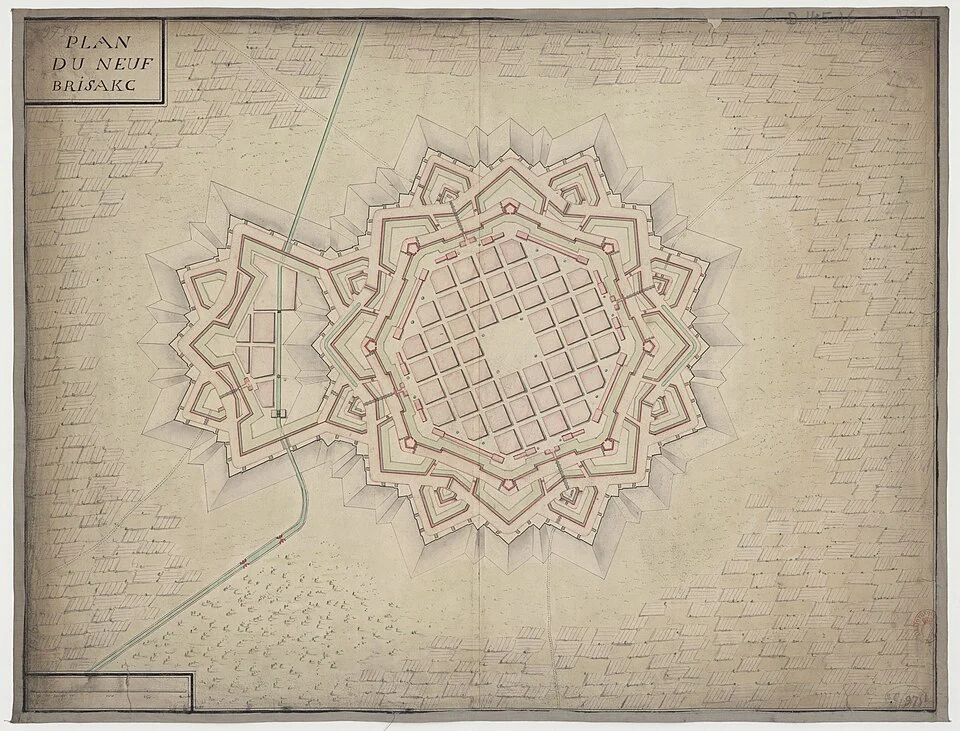
The model also shows how modern Vauban was as a town planner. The town is laid out as an octagon divided into 48 equal blocks, and at its center is a parade ground surrounded by the public buildings, from the church and the governor’s house to the arsenal and the hospital. Vauban also expanded the use of barracks, because until then soldiers were usually lodged in the homes of the residents.
On a small table to the side is another remarkable piece: a relief model (plan-relief) of an imaginary fortified town, which Vauban designed to bring together everything he knew about fortifications. Vauban presented it to Louis XIV, and the model strengthened the king’s decision to create and expand the collection of relief models of France’s fortified towns. You can see that collection today at the Musée des Plans-Reliefs in Paris.
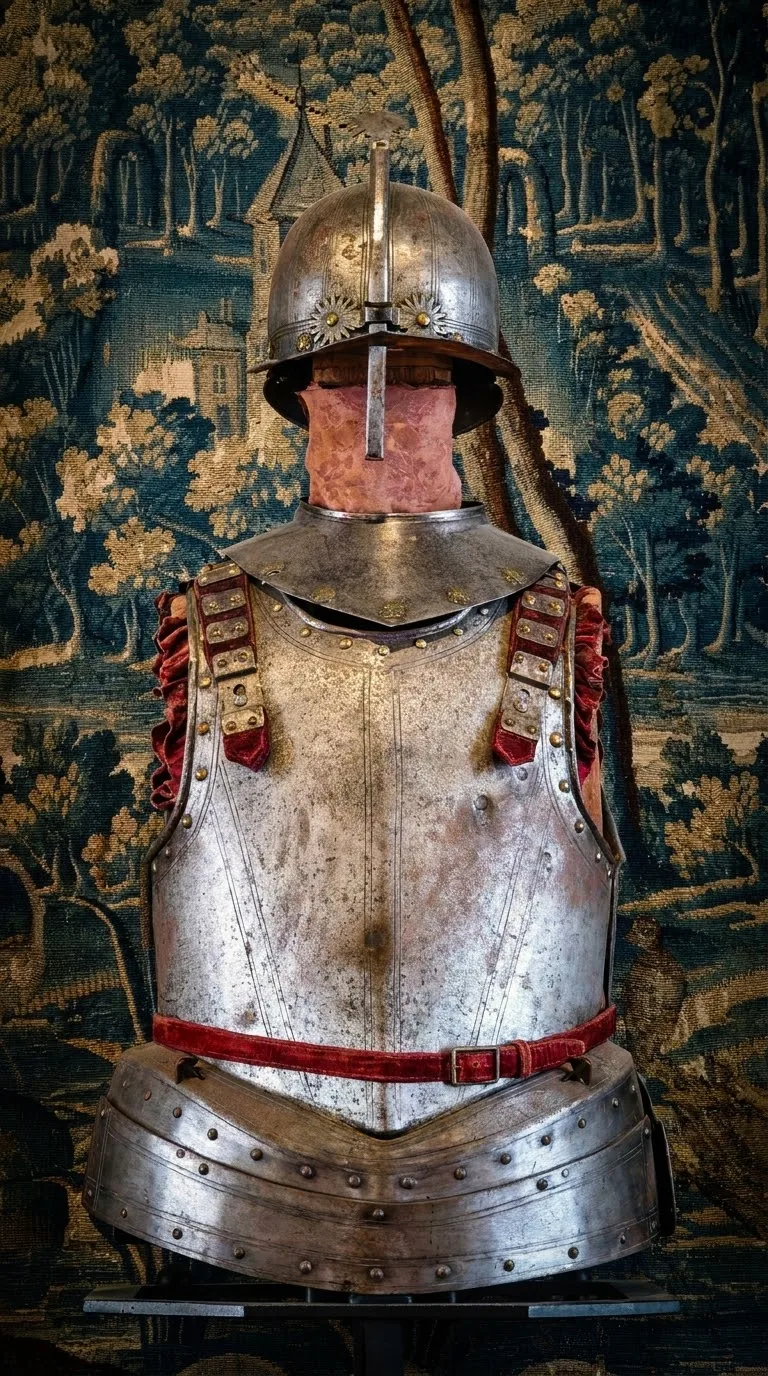
Vauban’s breastplate is displayed in front of a 17th-century Flemish tapestry in shades of blue. The marks of bullet hits are still visible on it, and officers of the engineering corps treated it as a sacred relic. The double display case next to it shows the attack and defense methods he developed, including the three parallel trenches dug in a zigzag in front of the besieged town, so the defenders couldn’t fire along them. He also urged the king to create what he called the “square field” (pré carré), a chain of fortresses at strategic points along the border that protected one another. The socket bayonet (baïonnette à douille), which let soldiers keep firing their muskets with the bayonet attached, is also attributed to Vauban.
Four large panels with the family trees of the Vauban family, and of the families who held the château after it, also hang in the middle of the gallery. About a thousand Limoges porcelain labels, painted and fired in a kiln, are glued onto the trees, and they bear the noble coats of arms (how the château passed from hand to hand, you can read in the history section).
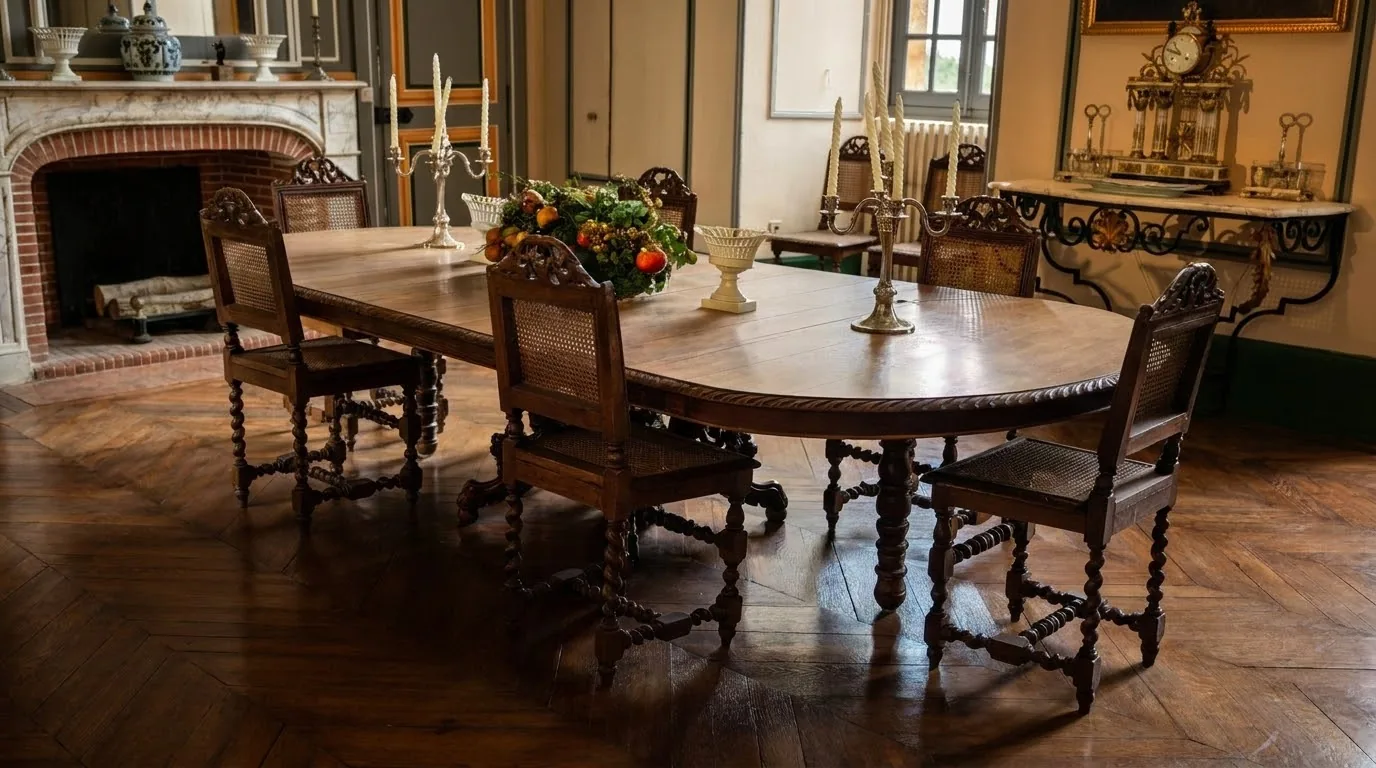
Just before you enter Vauban’s apartment, take a peek from the hallway into the dining room, which was restored not long ago.
The marshal’s study and bedroom
Vauban’s study is in the northeast tower, the tower he added to the château himself. It’s a small pentagonal room with wood paneling and a ceiling painted with birds. Above the fireplace hangs a portrait of the Duke of Burgundy (Louis de France, duc de Bourgogne, 1682–1712), the grandson of Louis XIV, whom Vauban taught the art of siege warfare, by Pierre Mignard (1612–1695). On the walls hang six portraits of the last members of the House of Valois, three by François Quesnel (1543–1619) and three by François Clouet (1510–1572), and on the fireplace stand two 18th-century seascapes by Charles-François Lacroix de Marseille (1700–1782).
During restoration work, an ingenious device was discovered in this room that let you hear, from up here, the conversations held on the ground floor.
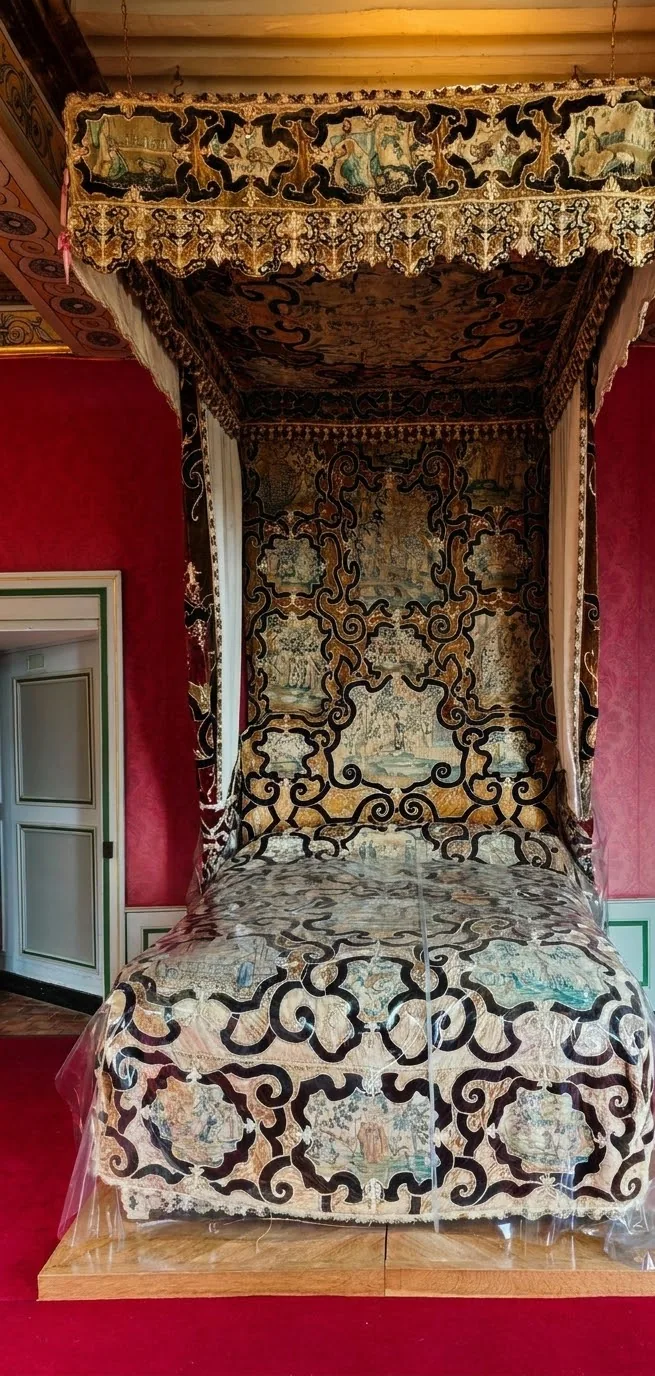
The marshal’s bedroom keeps its 17th-century furniture: a bed and six armchairs covered with embroidered panels showing Oriental scenes, which were restored for an exhibition in Paris in 1960. Above the fireplace hangs a portrait of Louis XIV on horseback, the ceiling is decorated with military emblems, and on the table stands a plaster bust of Vauban by Antoine Coysevox (1640–1720).
The furniture in the bedroom is decorated with 80 tiny embroideries (petit point) joined together with black velvet ribbon. The embroideries show figures in palace dress and animals from Syria, the Holy Land and Lebanon (the Oriental style was in fashion in the 17th century), and the armchairs, made of carved wood, come apart completely. The portrait of Louis XIV above the fireplace is signed by Adam Frans van der Meulen (1632–1690), the court’s painter of battles, and the king himself gave it as a gift to his marshal.
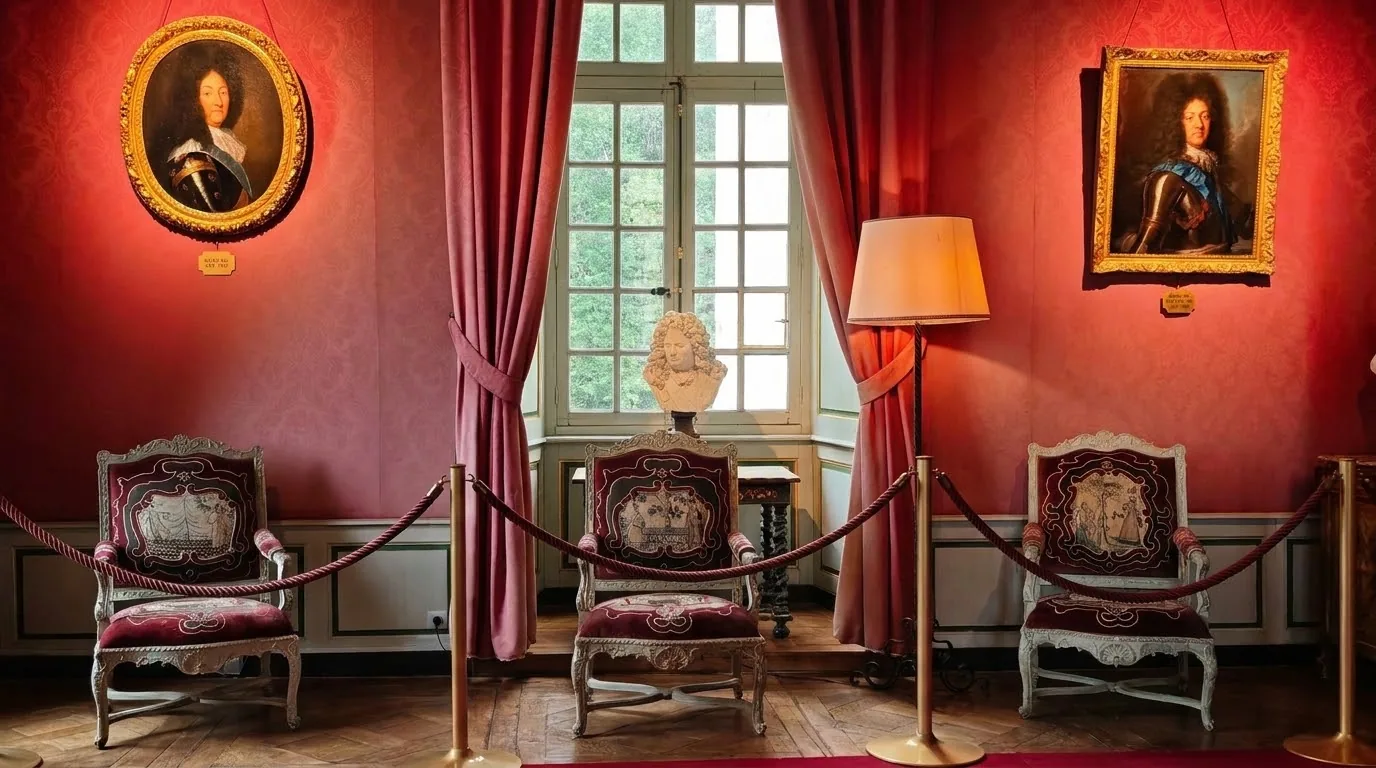
On Coysevox’s bust, look for the scar on Vauban’s left cheek, left by a musket ball that hit him at the siege of Douai in 1667. Four portraits hang on the walls:
- Marshal Turenne (Henri de La Tour d’Auvergne, vicomte de Turenne, 1611–1675), one of the great generals of Louis XIV, by Claude Lefebvre (1632–1675)
- Louis XIV, from the workshop of Hyacinthe Rigaud (1659–1743)
- The king’s brother, Philippe, Duke of Orléans (Philippe d’Orléans, 1640–1701), known at court as Monsieur, from the same workshop
- The king’s son, the Grand Dauphin (Louis de France, 1661–1711), also from Rigaud’s workshop
The antechamber and the libraries
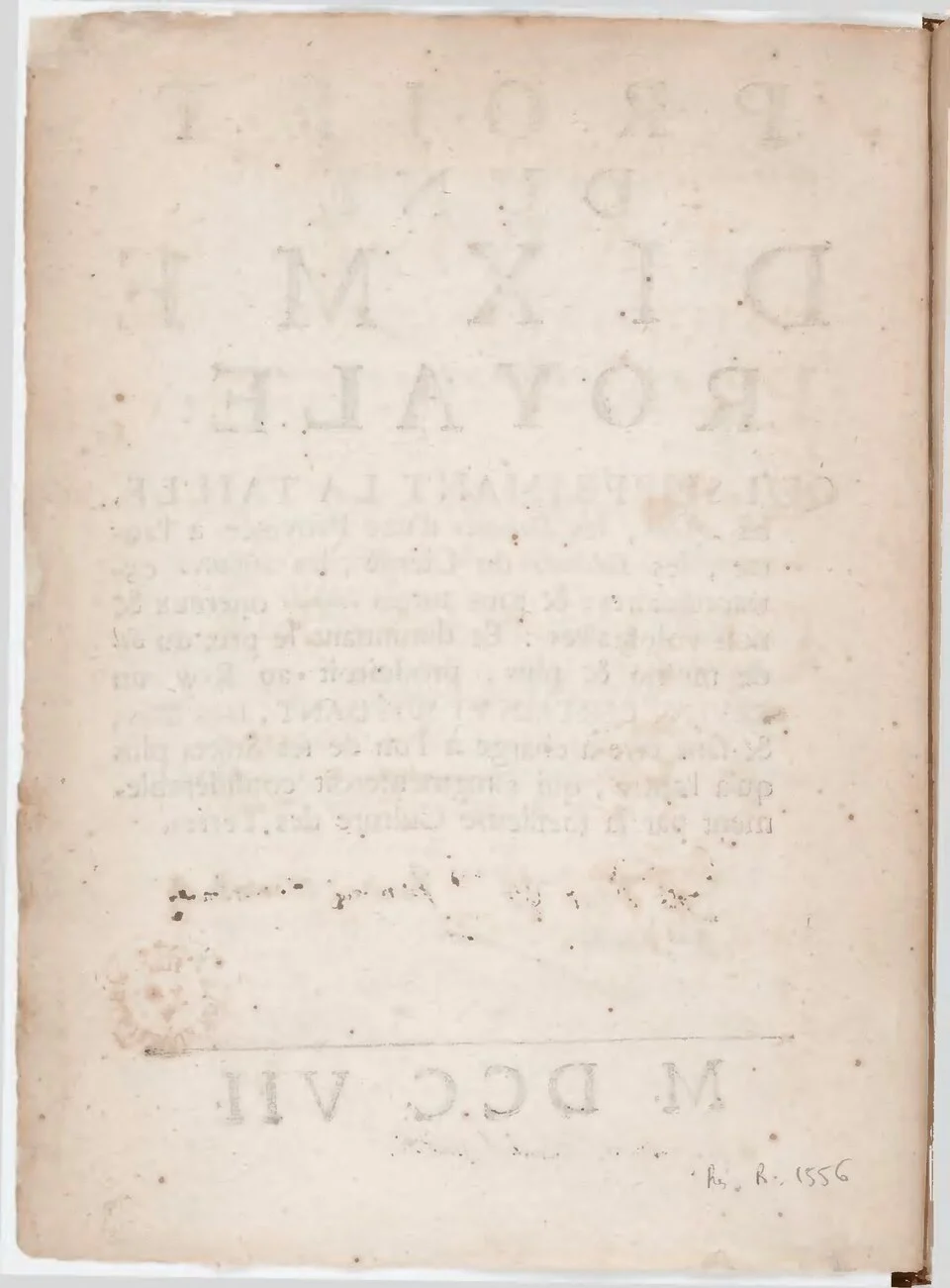
The marshal’s antechamber (antichambre) displays books that reflect the subjects that interested Vauban, from sieges and the defense of fortified towns to building lighthouses and the economy. A copy of the Royal Tithe (La Dîme royale), his last book, is also on display here (what happened because of it, you can read in the history section).
The libraries of Bazoches hold about 14,000 volumes, and Count Tony de Vibraye played a central role in collecting them. They include bibliophile editions, classic works, books about Vauban, historical letters and engravings. Above the shelves is a 17th-century ceiling painted to fool the eye (trompe-l’œil).
Part of the château’s library is on the upper floor, which is hard for visitors to reach, so a selection of the important books, most of them by Vauban himself, is gathered in the antechamber. Among the military books on display are the manuscript of his treatise on fortifications, translations of the treatise into Russian and Turkish, and the official account of the siege of the town of Ath in Belgium in 1697, with its plans. The copy of the Royal Tithe is displayed in a Dutch cabinet inlaid with flowers from the time of Louis XIV, a style called “jasmine” (jasmin).
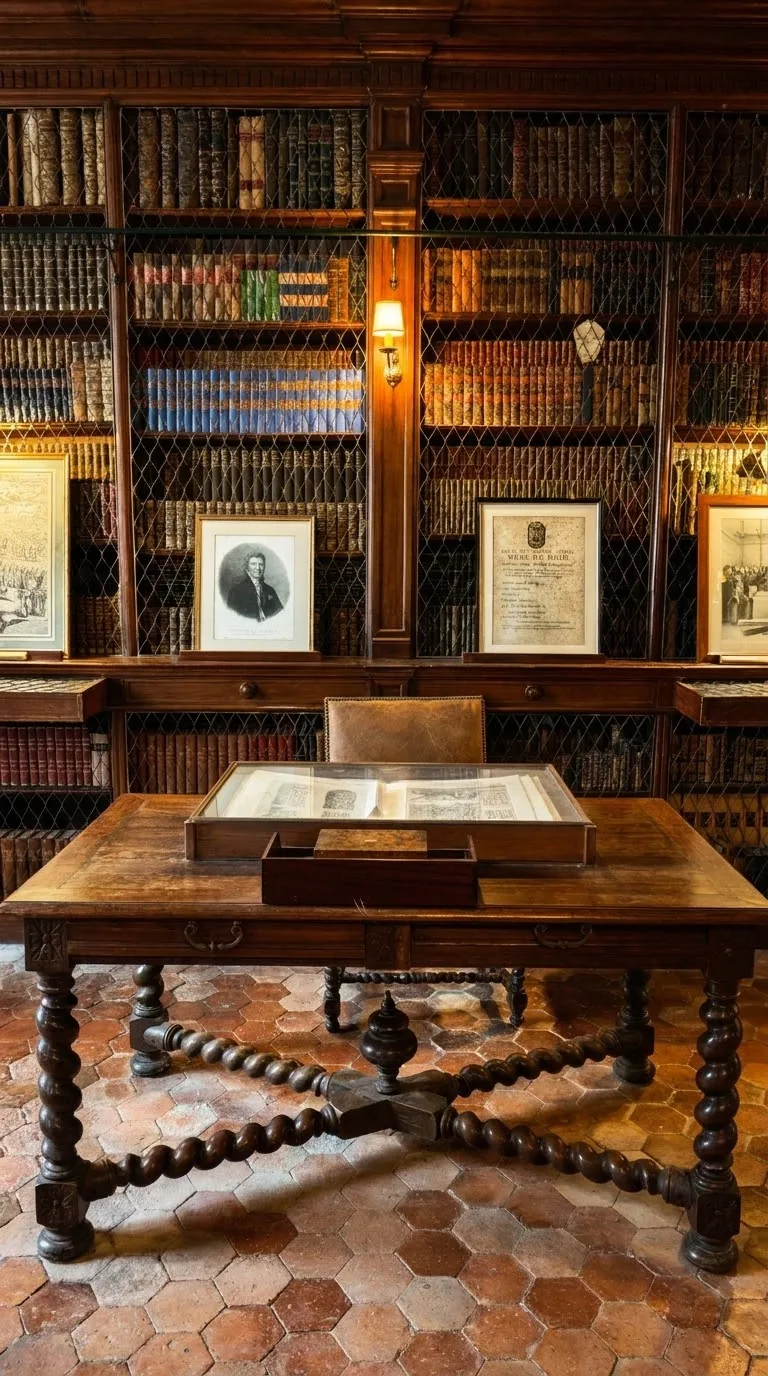
The three library rooms on the ground floor hold about 5,000 volumes. The large display case in the middle holds parchment manuscripts and books printed before 1501, and the drawers of the large library keep rare bindings. On its partition hangs a plan of Bazoches from the late 17th century, marked with the “marshal’s pavement” (pavé du maréchal), the paved approach road Vauban laid, which in the 17th century was the only way to reach the château (you still cross its upper part today on the way in). The main tower has two vaulted alcoves that were used for writing and reading, narrow on purpose so they would be easy to heat, and a 17th-century mural survives on their walls, probably by the same Parisian landscape painter who painted the legend of Pyramus and Thisbe (Pyrame et Thisbé) in the chapel’s sacristy.
The marshal’s wife’s room
This room belonged to Vauban’s wife, who ran the estate while her husband moved from fortress to fortress. She kept track of every deal and every purchase, and within a short time the estate grew to 1,600 hectares (about 4,000 acres). Her house was always full of family members, engineers and an army of messengers, coachmen and servants. She was the daughter of the Baron d’Épiry, whose estate lay a few kilometers from Bazoches, and her portrait hangs here, to the right of the fireplace.
The ceiling and the beams were kept as they were, and the paintings on them repeat details from Vauban’s coat of arms: a clover and a crescent moon. Next to the fireplace hangs an especially fine copy of the Turgot map (Plan de Turgot), the illustrated 18th-century map of Paris. Above the fireplace is a portrait by Mignard of the Countess of Grignan (Françoise-Marguerite de Sévigné, comtesse de Grignan, 1646–1705), the daughter of Madame de Sévigné (1626–1696). She was the third wife of the Count of Grignan, and his daughter from his first marriage became the Marquise de Vibraye, a name that will come back in the château’s story.
Above a Louis XVI writing desk (secrétaire) hangs a plan for the gardens of Bazoches, which Vauban asked his friend André Le Nôtre (1613–1700), the gardener of Vaux-le-Vicomte and of Versailles, to design for him. Le Nôtre’s signature is still visible on the back. The project was carried out only in part, but its main idea survived: terraces planted in a pattern of dominoes.
The salons, the chapel and the inner courtyard
From the château’s salons you look out at the hill of Vézelay and its 12th-century basilica. In the large salon hangs a 17th-century Aubusson tapestry, and the yellow salon displays a model of a warship from the fleet of Louis XVI (reigned 1774–1792), identical to a ship that fought at the Battle of Yorktown in the American Revolutionary War.
The model comes with a family story. Three ancestors of the château’s owners fought in the American Revolutionary War. One of them, Charles-Ignace de Sigalas, a company commander in the Agenais regiment, boarded a 74-gun ship at Brest, identical to the one in the model, and sailed to America with the fleet of the Count de Grasse (François Joseph Paul de Grasse, 1722–1788). He fought at Yorktown and was badly wounded there. The real ship was 56 meters (184 feet) long and 15 meters (49 feet) wide, and 750 men served on board.
Officers like these were the reason the Society of the Cincinnati was founded in 1783: a hereditary society for the officers of the war, American and French, with George Washington (1732–1799) at its head, and it is still active today. The salon also displays a Restoration-era writing table that belonged to Count Joseph de Villèle (1773–1854), prime minister under Louis XVIII (reigned 1814–1824) and Charles X (reigned 1824–1830). Villèle’s daughter married into the Sigalas family.
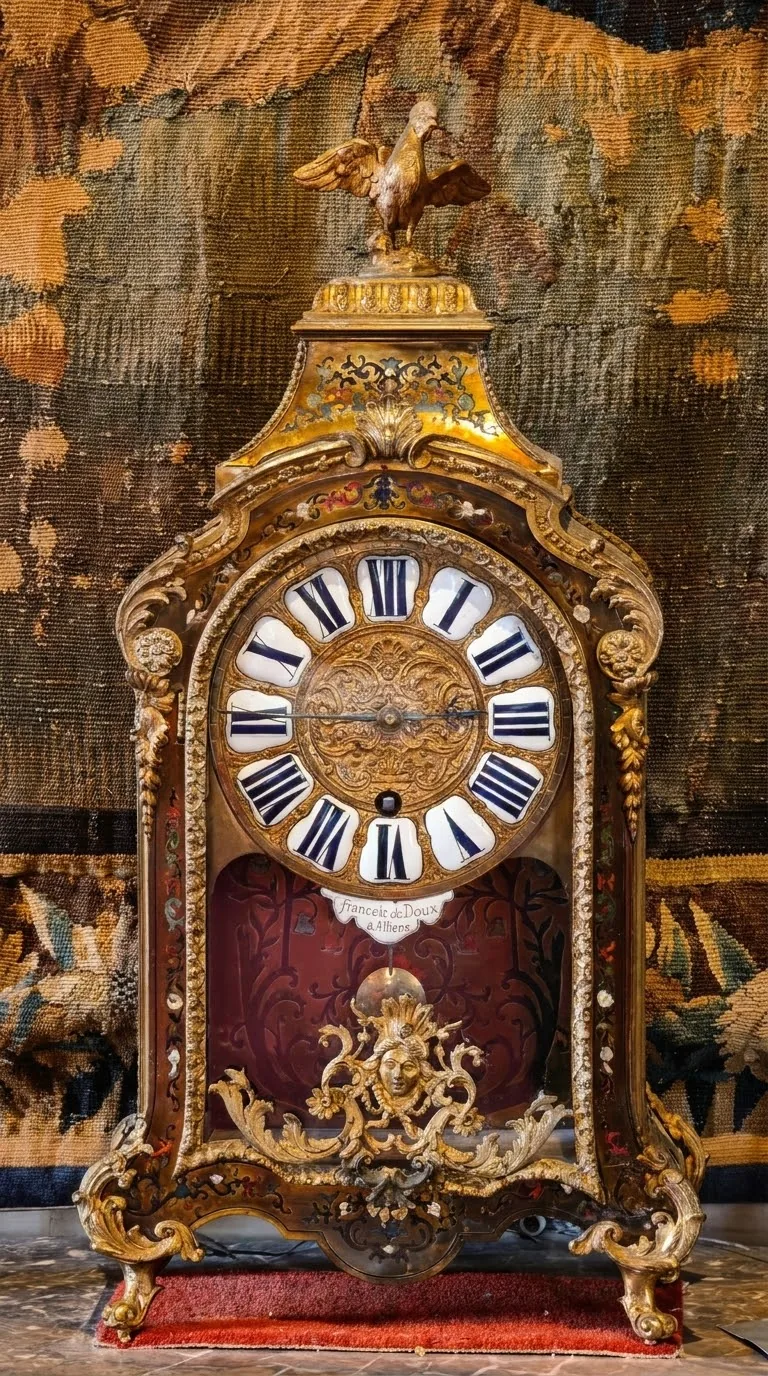
In the round salon in the tower hangs a fine period copy of Rigaud’s portrait of Vauban, and in the middle of the room stand six Louis XVI armchairs by the cabinetmaker Georges Jacob (1739–1814), who also made furniture for the royal court.
In the large salon, to the right of the tapestry, hangs a portrait by the brothers Henri Beaubrun (1603–1677) and Charles Beaubrun (1604–1692) of Henrietta Maria (Henriette-Marie de France, 1609–1669), the sister of Louis XIII (reigned 1610–1643). She married Charles I, King of England (reigned 1625–1649), who was executed in the time of Oliver Cromwell (1599–1658). On either side of the portrait hang two family portraits by Maurice Quentin de La Tour (1704–1788), one of the greatest pastel painters of the 18th century. Above a Louis XVI writing desk with Chinese lacquer panels hangs a portrait of Denis-François Angran d’Alleray (died 1794), the man who bought Bazoches from Vauban’s grandson (you can read about his end in the history section).
The chapel is small, with modern decoration next to 17th-century murals attributed to Jean Mosnier (1600–1656), including the virtues and biblical scenes. Above the altar hangs a 17th-century painting of the Virgin and Child.
Its modest size is Vauban’s doing: he cut it in half when he opened a second entrance in it. Mosnier worked mainly in the Loire Valley, where among other places he decorated Château de Cheverny. Next to the altar, beside a sketch by Simon Vouet (1590–1649), hangs a painting of the death of Mary Magdalene, the saint the basilica of Vézelay is dedicated to.
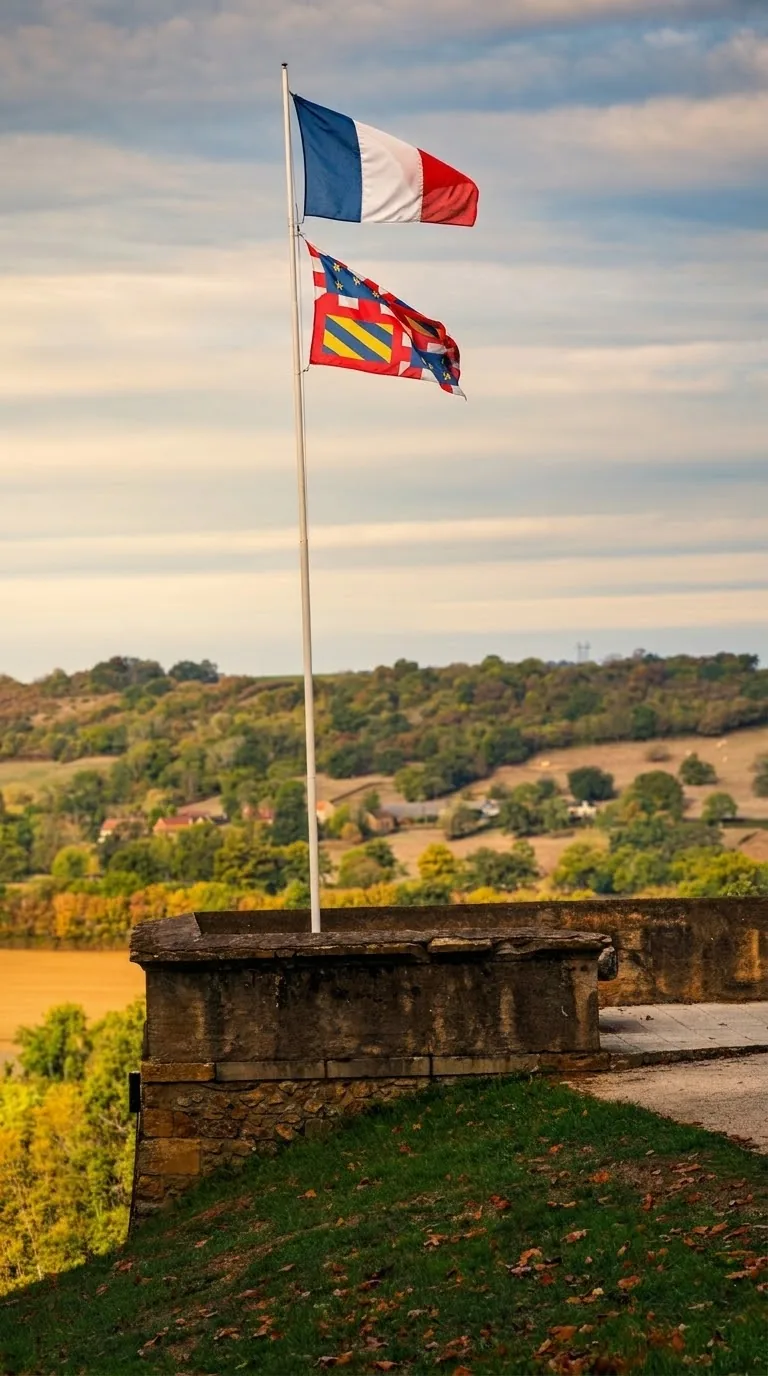
The visit to the rooms ends at the bastion, which looks out over the village of Bazoches, the church of Saint-Aubin-des-Chaumes and the basilica of Vézelay. To the left of the church, on the estate’s grounds, stands the 12th-century chapel of Saint-Roch, which was the first stop for pilgrims setting out from Vézelay on their way to Santiago de Compostela.
The inner courtyard was restored according to the plans Vauban drew up from 1675. The walls are covered in gray plaster with painted lines that imitate stonework, as was the custom in the 17th century to give different materials a uniform look. Above the sundial appears Vauban’s emblem with the motto bellicae virtutis praemium (“a reward for valor in war”), which is also the motto of the Order of Saint Louis (Ordre de Saint-Louis), the military order Vauban advised Louis XIV to found.
Vauban’s tomb in the village church
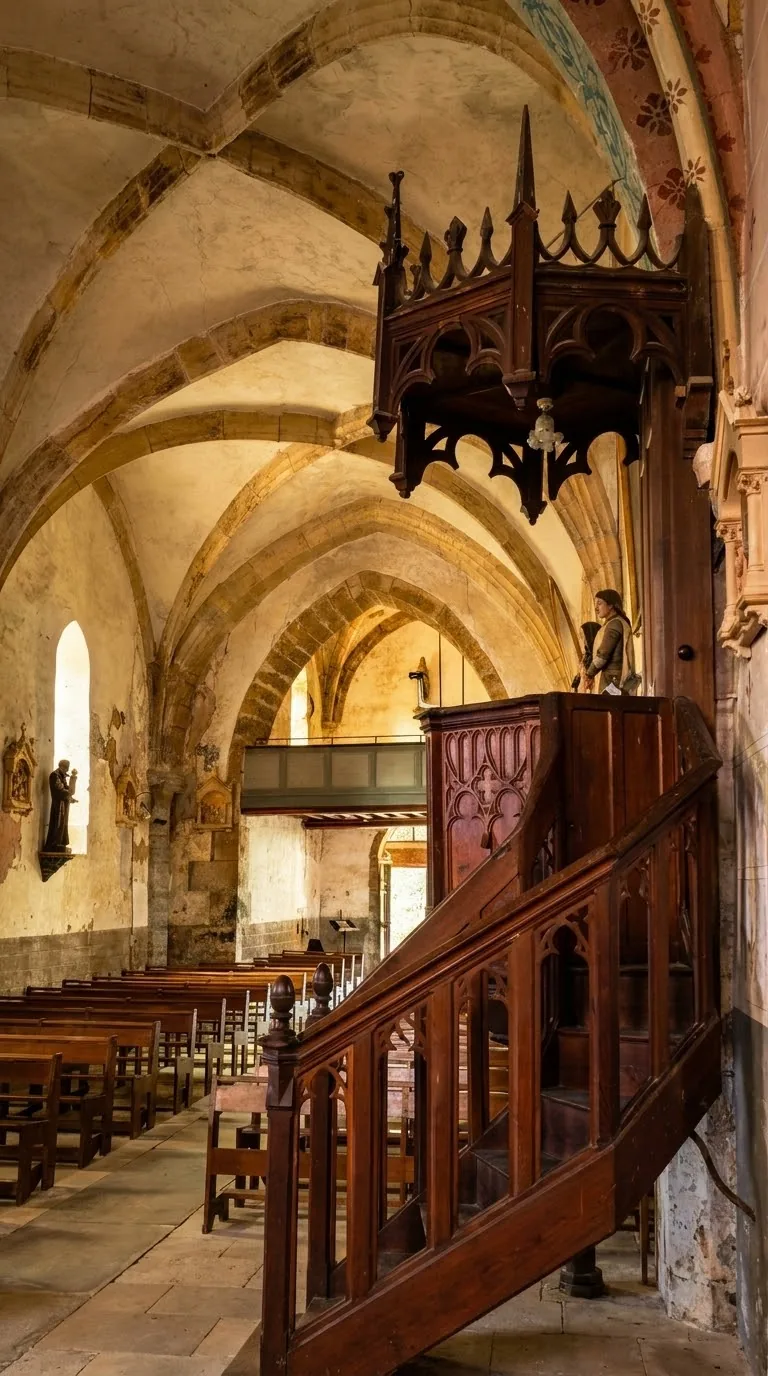
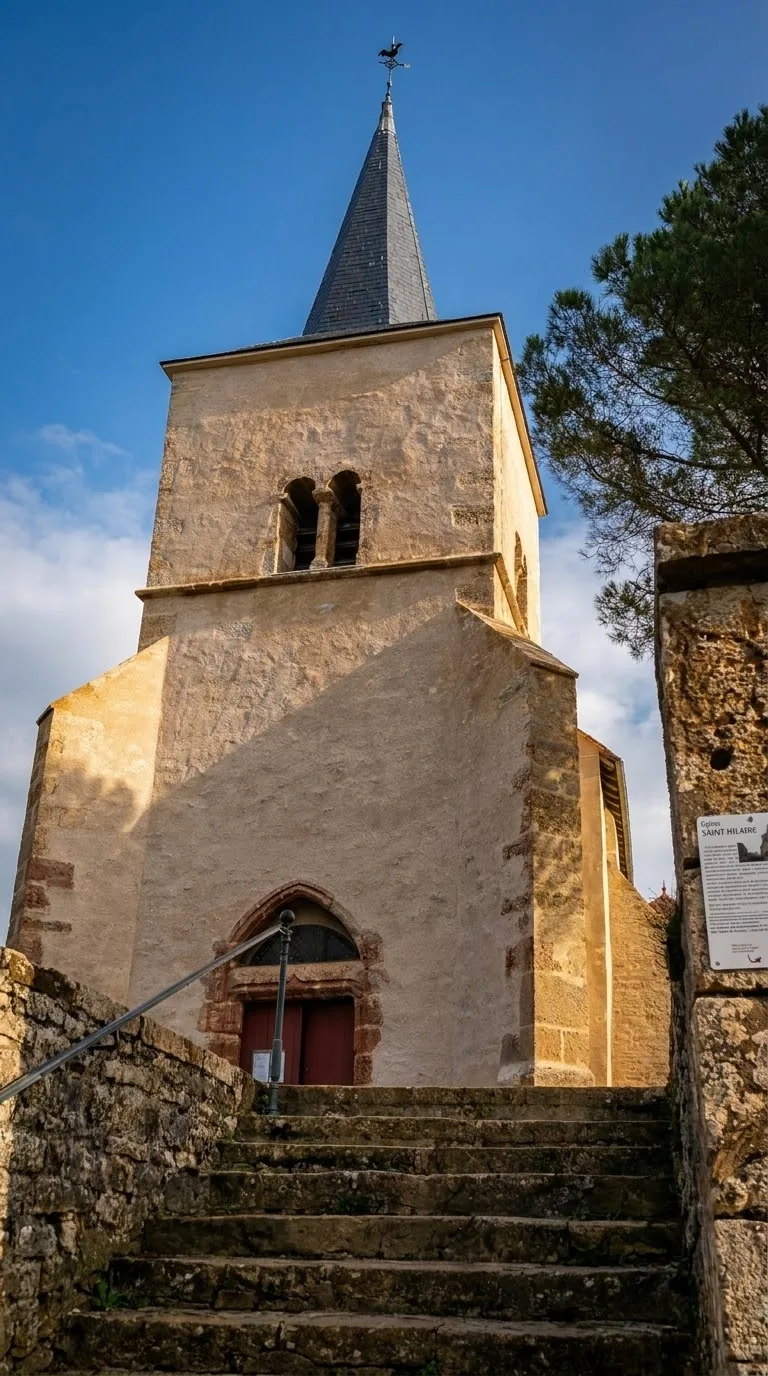
After the château, it’s worth going down to the village, to the church of Saint-Hilaire. In 1688 Vauban paid for the building of its choir, and at his request the chapel of Saint-Sébastien was built inside it, which holds the family tomb. The bell tower above the entrance dates from the 12th century, and the nave probably from the 16th century.
The church has three chapels: the chapel of Saint-Franchy, which holds the baptismal font, the chapel of the Virgin Mary, and the chapel of Saint-Sébastien, which is Vauban’s chapel. The dense decoration covering the walls and the vaulted ceilings was painted in the late 19th century by Raphaël Bodin, an artist from Bourges, mostly with stencils, in patterns of leaves, crosses and lilies. The decoration is especially rich in the choir, and it stops below the side windows of the apse to make room for two symmetrical compositions, each with three saints in a row.
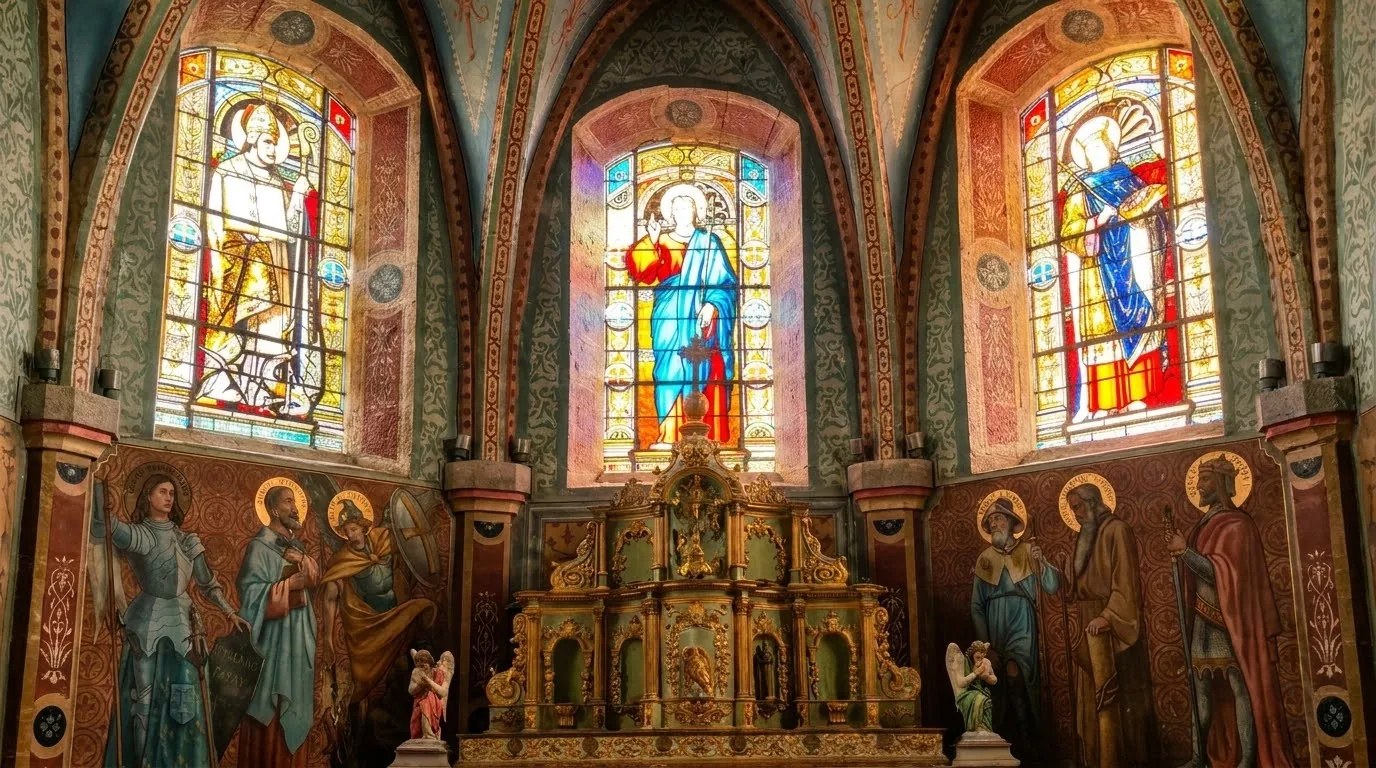
To the left of the altar stand side by side Joan of Arc (1412–1431), the apostle Philip and the archangel Michael, who, according to Joan’s own testimony, ordered her at Domrémy to free France. Joan’s halo reads “Saint Joan of Arc,” but Bodin didn’t write that inscription: in 1899, when he painted her, the Church had not yet declared her a saint, and the inscription was added only after her canonization in 1920. Bodin based her figure on the painting “Joan of Arc at the Coronation of King Charles VII” (Jeanne d’Arc au sacre du roi Charles VII), which Jean-Auguste-Dominique Ingres (1780–1867) painted in 1854 and which hangs today in the Louvre.
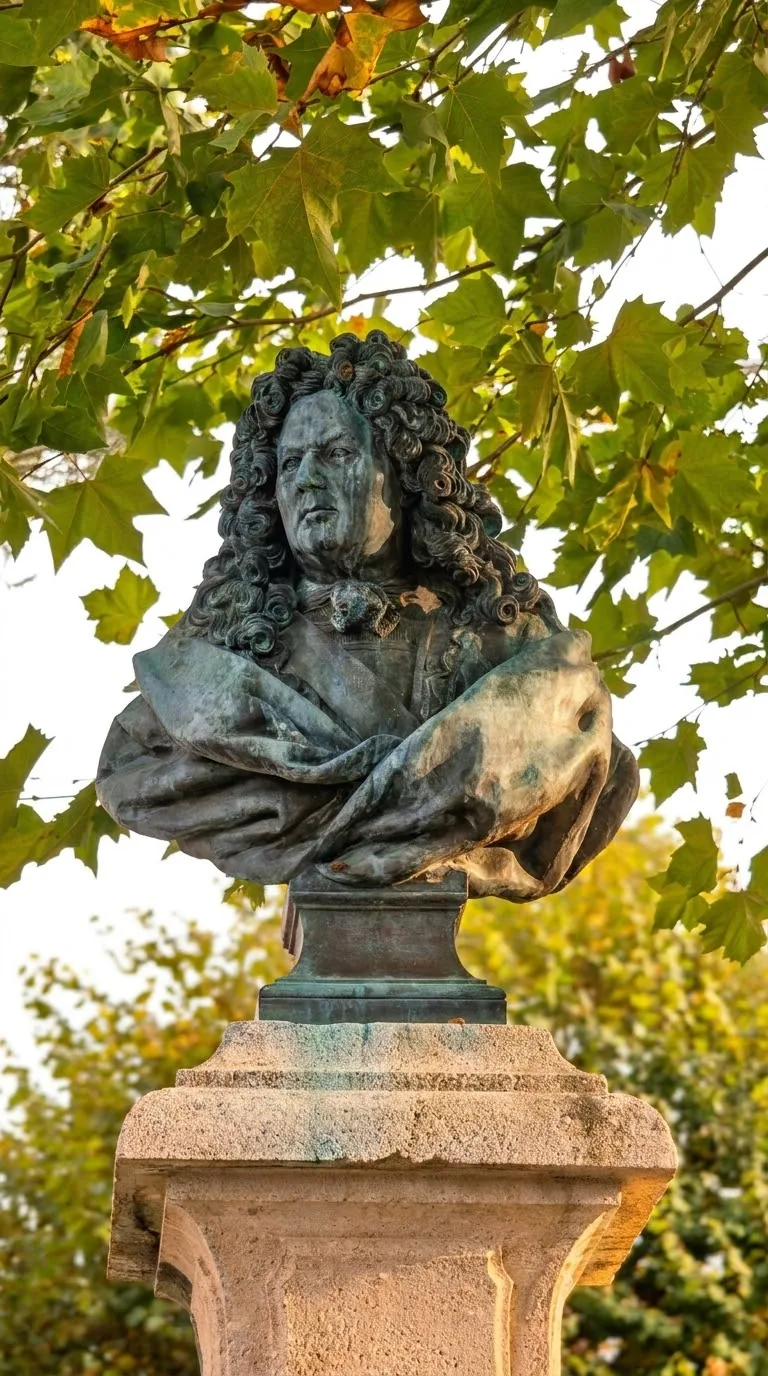
Vauban was buried in the chapel of Saint-Sébastien on April 16, 1707, and since then it has served as the family tomb. During the French Revolution the tomb was desecrated, and in 1879 it was opened for the last time: inside they found bones and four skulls, identified as those of the marshal, his wife, his daughter and his grandson. On August 26, 1900, a plaque was placed in the chapel recording that Vauban’s remains rest in the church, and on the same day a bronze bust of him was unveiled in the village square.
On the wall hangs a wooden plaque with the marshal’s coat of arms, installed in the 19th century. In photos taken here in 1933, during the celebrations of Vauban’s 300th birthday, it already appears in its place, surrounded by decorations, and since 1973 it has been protected as a historic object.
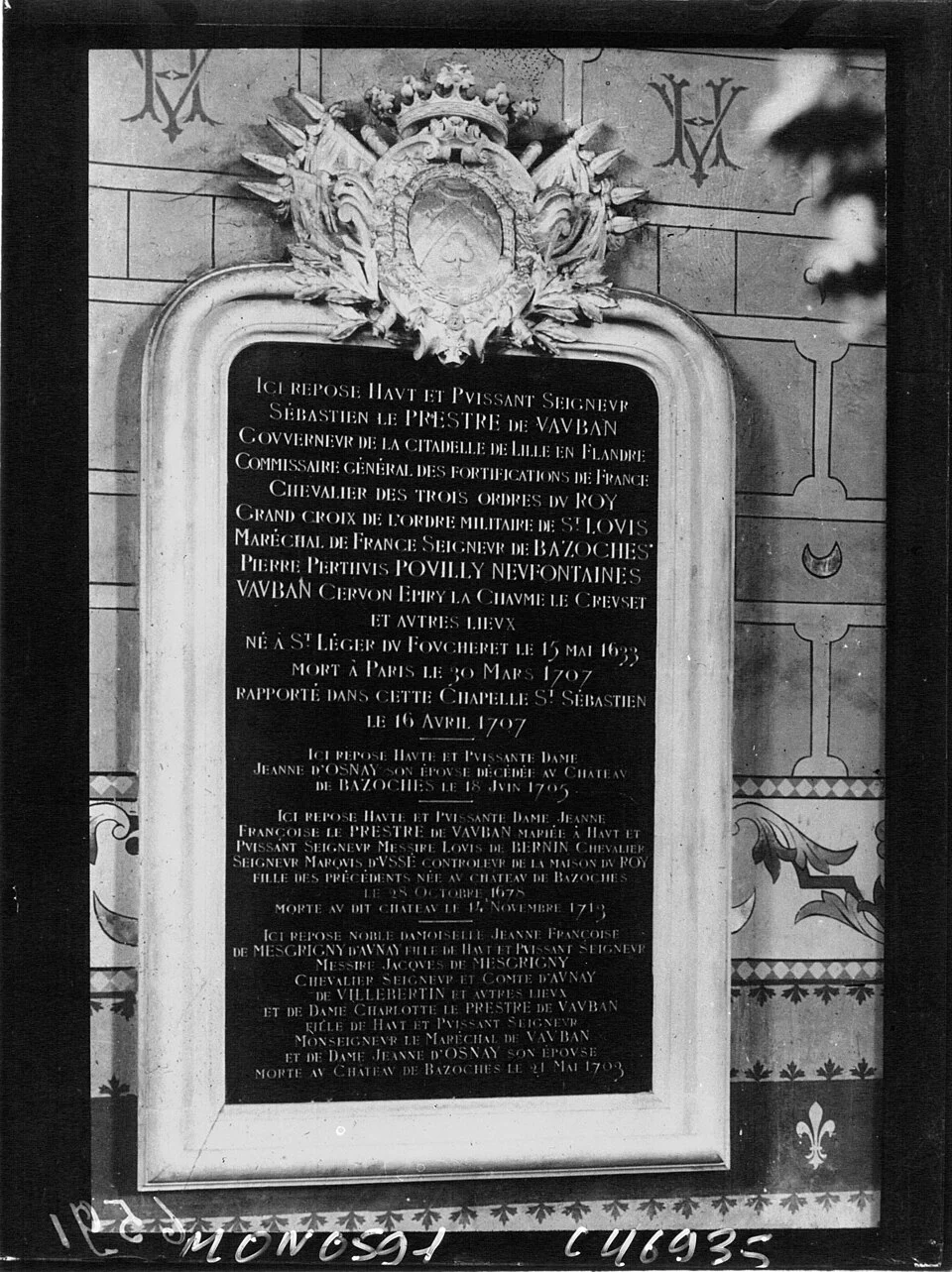
But something is missing from this tomb: Vauban’s heart is no longer here. It’s in Paris, in a monument in the Dome Church of Les Invalides, and you can read how it got there in the history section.
The history of Château de Bazoches
From the 12th century to 1675: the fortress Vauban bought back
The hill the château stands on was already settled in Roman times. The Roman road between Sens and Autun passed near the château, and the name Bazoches itself probably comes from the Latin word basilica, which meant a large public building used as a courthouse, a marketplace and an administrative center. The Roman baths found at Saint-Père, at the foot of Vézelay, also show that the area was well populated.
The château itself was built between 1170 and 1190 by the lords of Bazoches, in the same years the basilica of Vézelay was being built. It was laid out as a trapezoid, with three round towers and a square keep (a fortified residential tower), and that’s largely how it looks today. According to the château’s tradition, while preparing for the Third Crusade, King Philip Augustus of France (reigned 1180–1223) and King Richard the Lionheart of England (reigned 1189–1199), who set out on the crusade from Vézelay, spent the night here.
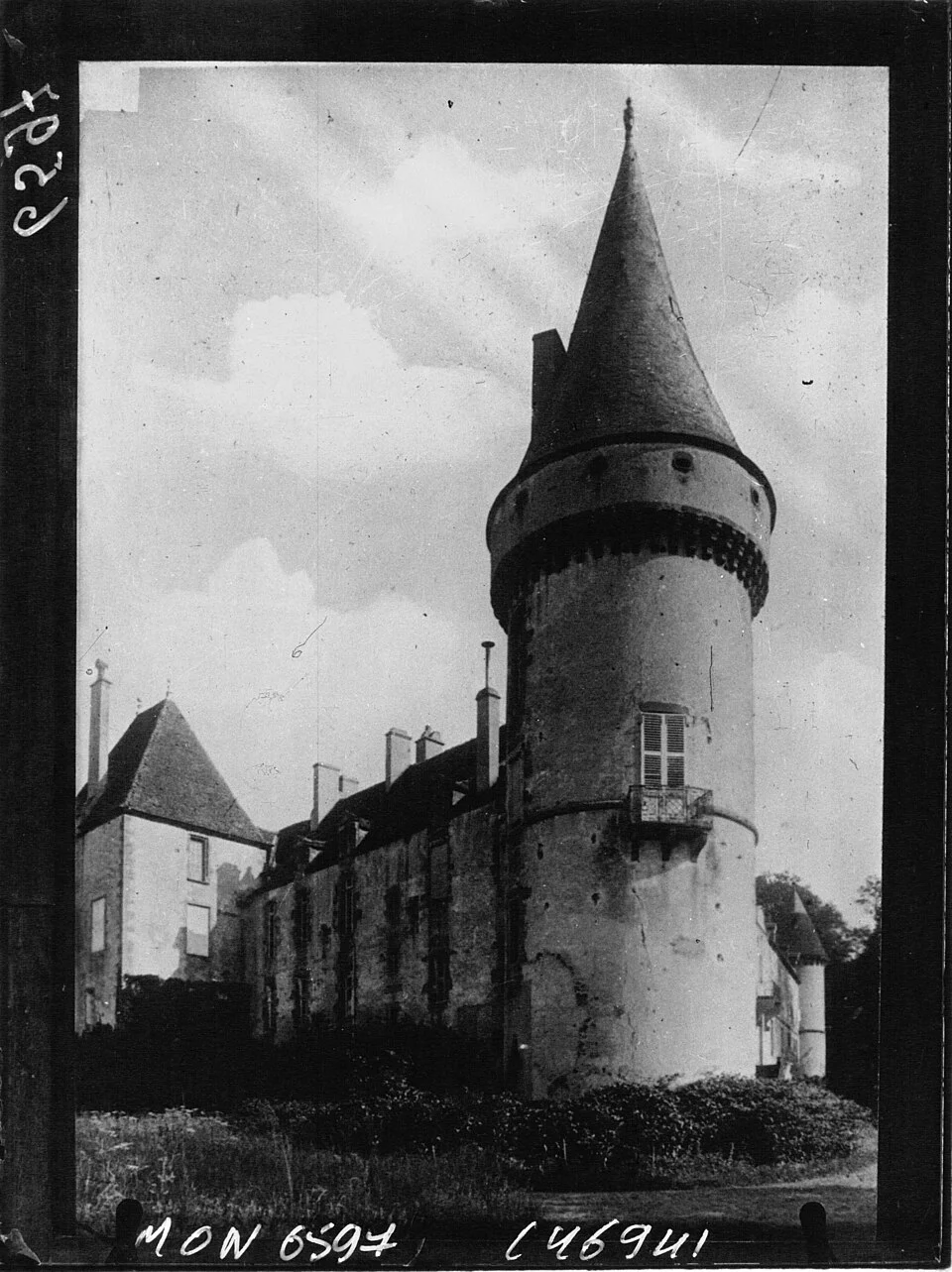
In the 14th century a large tower was added to the château, with a sentry walk and machicolations (mâchicoulis), openings for dropping stones and boiling oil on attackers. In 1475 the estate passed to new owners, and a few years later they added a square residential tower.
Over the following centuries the château passed from hand to hand among several noble families of the region: the Bazoches family, the Chastellux family, whose descendants are among today’s owners, the Montmorillon family and the La Perrière family. In 1569, during the Wars of Religion, German mercenary horsemen (reîtres) fighting on the Protestant side damaged it, and in the same year the Huguenots of Vézelay also burned the village church.
In 1591 a new family entered the story: the Le Prestre family. The family, originally from Cantal in Auvergne, had bought a fortified house in the 16th century at a place called Vauban, about three kilometers from the château, and from then on it was called Le Prestre de Vauban. Vauban’s grandfather, a member of this family, married a daughter of the La Perrière family, which held the château at the time, and from this marriage Vauban’s father was born. But the inheritance got complicated: Vauban’s father lost his property and moved to the village of Saint-Léger-de-Foucheret. As you’ll soon see, the son born in that village brought the château back into the family.
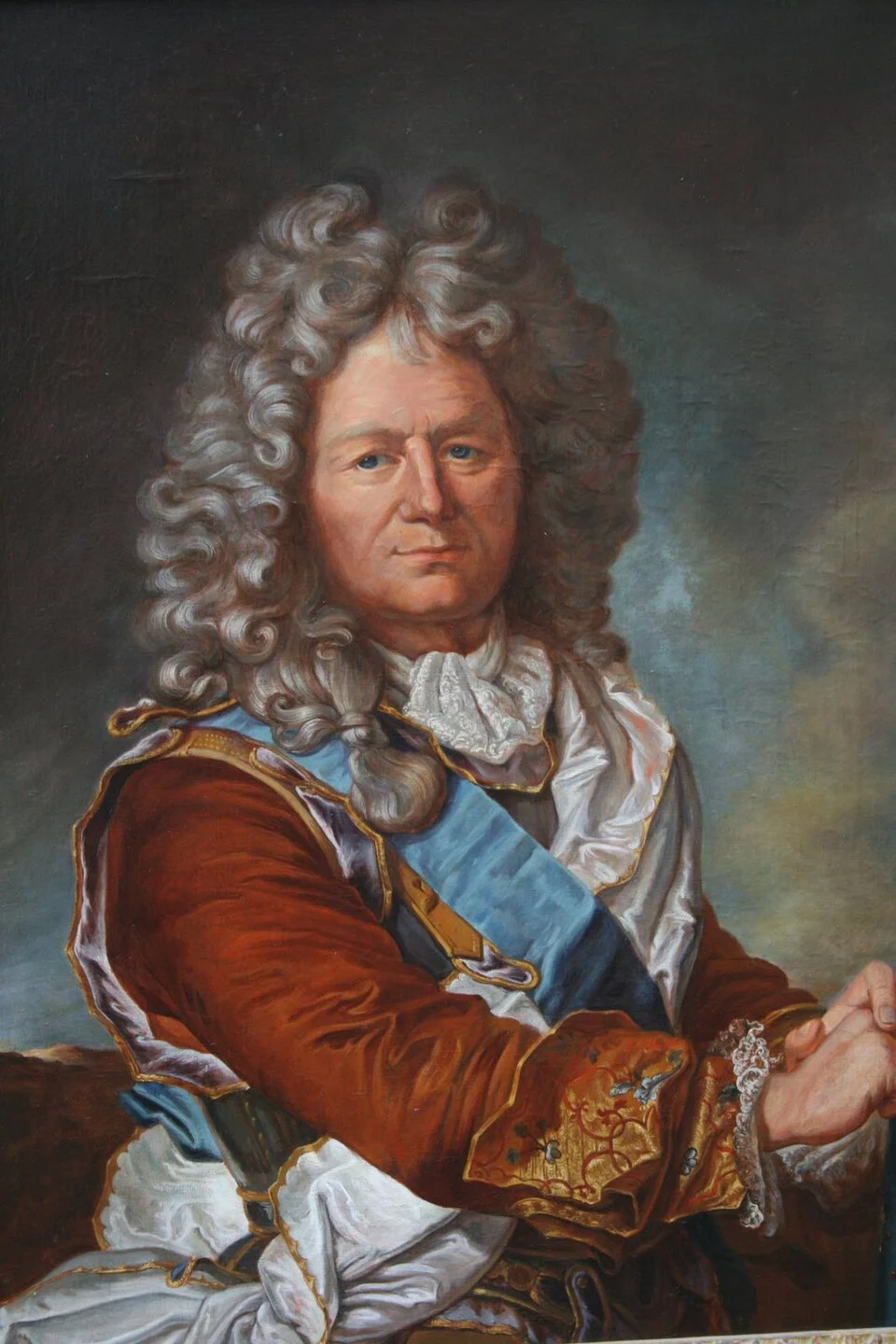
Sébastien Le Prestre de Vauban was born in May 1633 in Saint-Léger-de-Foucheret, which is named after him today: Saint-Léger-Vauban. He grew up in a rural noble family without much money, and at 17 he joined the regiment of the Prince de Condé (Louis II de Bourbon-Condé, 1621–1686), who was rebelling against the king at the time, during the Fronde (la Fronde), the civil war that broke out when Louis XIV was a child.
In 1653 Vauban was captured by the royal army and brought before Cardinal Mazarin (Jules Mazarin, 1602–1661), the young king’s chief minister. Mazarin convinced him to switch sides, and from then until his death Vauban served the king. In 1655, at 22, he received the title of king’s engineer (ingénieur ordinaire du roi), and in the years that followed he took part in many sieges and was wounded several times.
The achievement that made his name came in 1673, in the war against Holland. Vauban directed the siege of the fortified city of Maastricht, and for the first time the running of the siege works passed from the generals to an engineer. Instead of a single narrow trench, where soldiers were slaughtered, he dug zigzag trenches and wide trenches running parallel to the walls, in which the soldiers could approach the city protected from fire. The city surrendered on June 30, 1673, after only 13 days of siege.
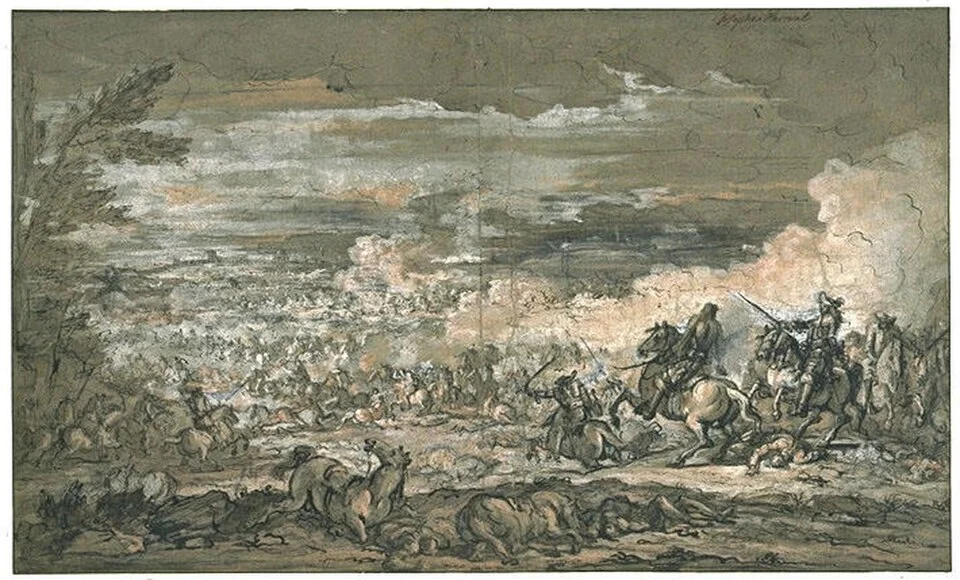
Even this method didn’t prevent deaths. One of the dead was the captain of the musketeers, d’Artagnan (Charles de Batz de Castelmore d’Artagnan, died 1673), who was killed in the siege on June 25, 1673, and later became the hero of The Three Musketeers (Les Trois Mousquetaires), the novel by Alexandre Dumas (1802–1870).
The victory at Maastricht was immortalized on the Porte Saint-Denis in Paris, and in the Hall of Mirrors of the Palace of Versailles Charles Le Brun (1619–1690) painted Louis XIV alone as the conqueror of Maastricht. Vauban doesn’t appear in the painting. He received a grant of 80,000 livres from the king, and with that money he bought Bazoches in 1675, the château his grandmother had lost. The purchase wasn’t simple, and the sale was finalized only in 1679.
1675–1703: home, office and camp
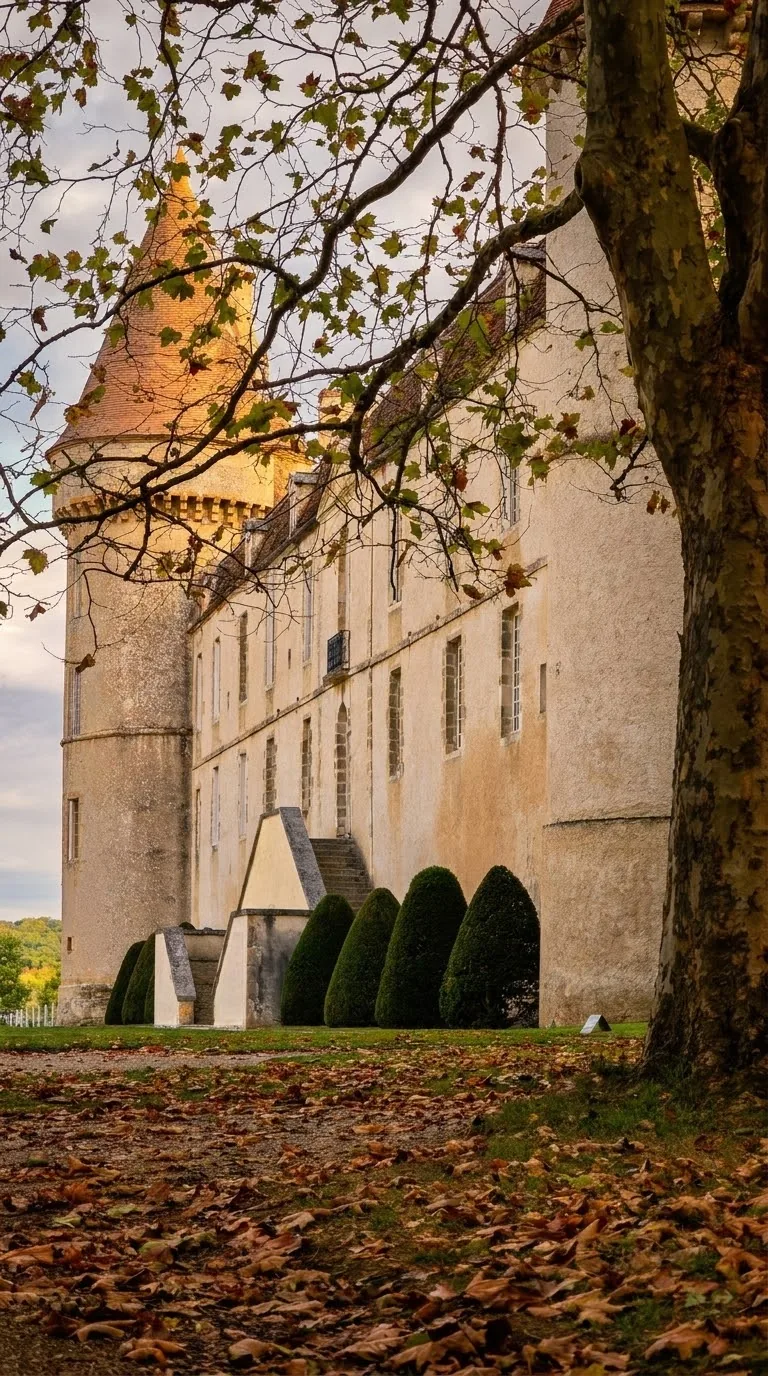
At Bazoches, Vauban built the west wing and the northeast tower, and so he closed off the château, which until then had been open to the valley in a V shape. Inside it he set up a planning office with living quarters for the engineers who worked under him, stables and room for messengers, so the château became a kind of military camp where the kingdom’s fortifications were planned.
But Vauban himself was hardly ever here. His wife, Jeanne d’Osnay (died 1705), whom he married in 1660, moved to Bazoches in 1679 and never left, and she ran the estate while her husband moved from fortress to fortress. Vauban came to the château on special leaves the king granted him: in 1687, 1690, 1696, 1701 and 1704. In the spring of 1680 he said he would rather be there “in the depths of the cruelest winters” (au cœur des plus cruels hivers) than not come home at all.
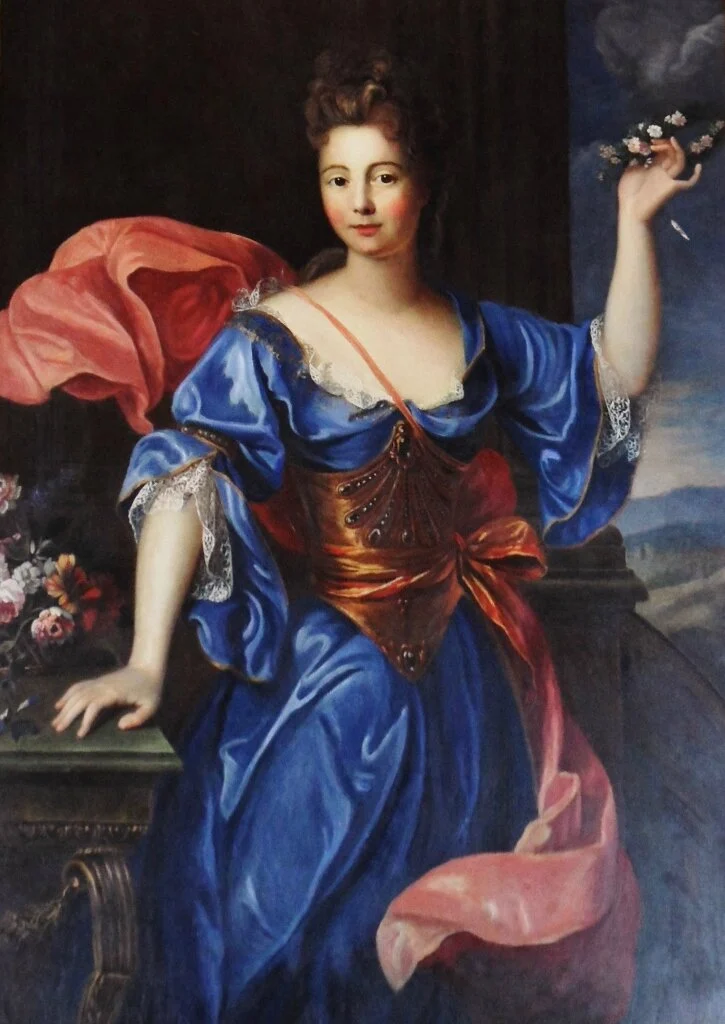
The couple had three children: a son who died in infancy and two daughters. The elder, Charlotte Le Prestre de Vauban, born in 1661, married in 1680 the nephew of Jean de Mesgrigny (1631–1720), Vauban’s close friend and the governor of the citadel of Tournai. Today’s owners of the château descend from this couple. The younger daughter was married in 1691 at the church of Saint-Roch in Paris, to the owner of the Château d’Ussé in the Loire Valley.
Even when he was at Bazoches, Vauban didn’t stop working. In 1690 he stayed here for almost a whole year to recover from a fever and a cough that wouldn’t let go, and the war minister Louvois (François Michel Le Tellier de Louvois, 1641–1691) kept sending him memos here all year long. Here he also wrote many of the treatises he jokingly called his “idle musings” (Oisivetés), 12 volumes on subjects such as forests, agriculture, coinage and building lighthouses.
In 1689, four years after Louis XIV revoked the Edict of Nantes (Édit de Nantes), Vauban wrote a memorandum on recalling the Huguenots (Mémoire pour le rappel des huguenots), the Protestants who had fled France. In his view the revocation was a disaster for the country, because it drove out people and capital. In 1696 he wrote the Geographical Description of the Vézelay District (Description géographique de l’élection de Vézelay), a survey of 55 parishes in the area, with 14 proposals for fighting poverty. The great famine of 1693–1694, in which an estimated 1.3 million people died, was part of the background to his last book.
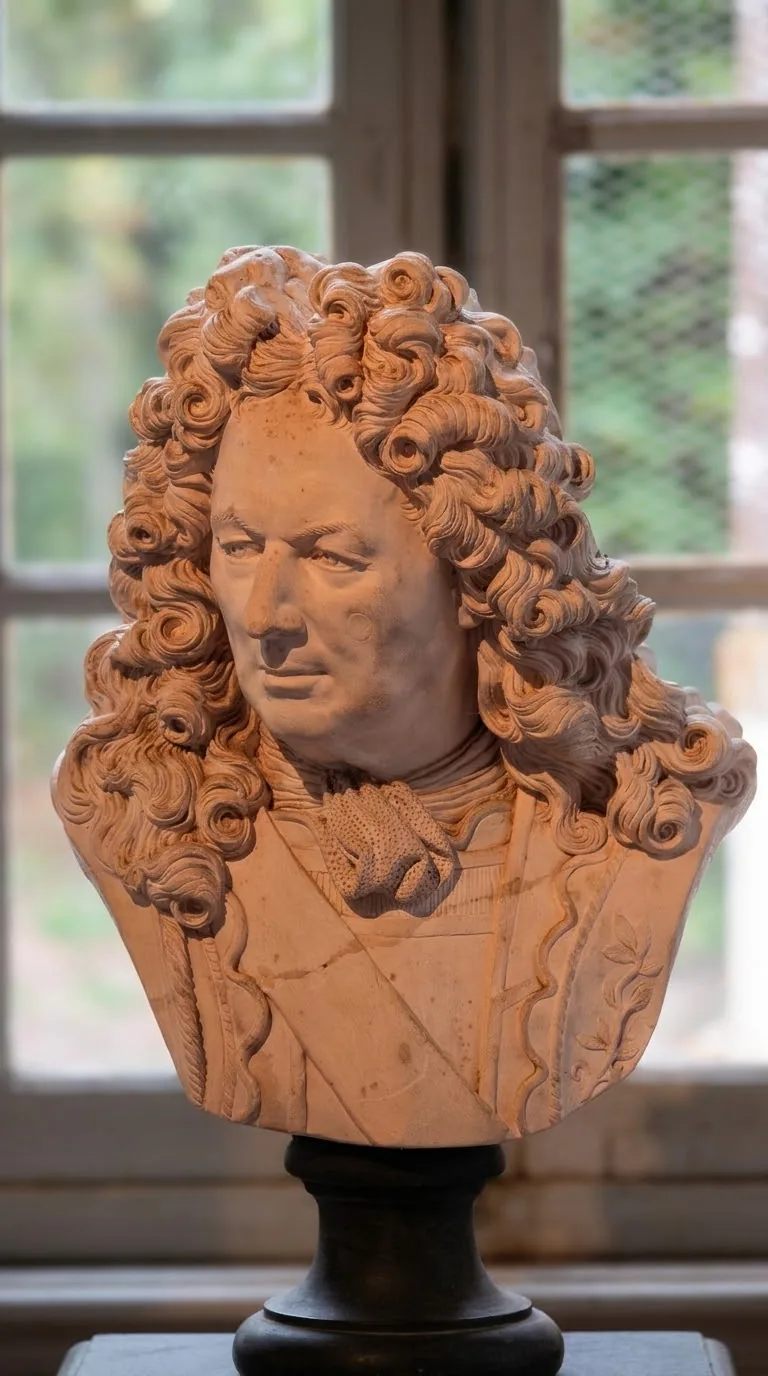
On January 14, 1703, Louis XIV made him a Marshal of France, after Vauban himself had asked the king to reconsider, arguing that the title didn’t suit a man of his rank. The Duke of Saint-Simon (Louis de Rouvroy, duc de Saint-Simon, 1675–1755), the famous memoirist of the court of Versailles, wrote of him that he was “a petty gentleman of Burgundy at most, but perhaps the most honest and the most virtuous man of his century” (petit gentilhomme de Bourgogne tout au plus, mais peut-être le plus honnête homme et le plus vertueux de son siècle).
1707: the book the king banned
Vauban’s last book was called Project for a Royal Tithe (Projet d’une dixme royale), or the Royal Tithe for short. He proposed abolishing most of the existing taxes and replacing them with a single tax on all income, at a rate of 5% to 10%, with no exemption for the nobility or the clergy. In 1700 he presented the plan to the king over three evenings, two and a half hours each, but the finance minister Michel Chamillart (1654–1721) and the financiers kept their distance from it.
In February 1707, Vauban asked for permission to print the book and got no answer. He printed it anyway, probably outside Paris. The copies were bound by a bookbinder on rue Saint-Jacques in Paris, and Vauban handed them out to friends. According to the story, when booksellers asked to buy it, he answered that he was “not a merchant” (qu’il n’est pas marchand).
On February 14, 1707, the King’s Council ruled that the book contained “many things contrary to the order and custom of the kingdom” (plusieurs choses contraires à l’ordre et à l’usage du royaume), and ordered every copy to be seized and destroyed. But Vauban wasn’t alarmed. On March 3 he wrote to his friend Jean de Mesgrigny that the ban had only stirred up curiosity, and that “if I had a thousand copies, I wouldn’t have a single one left in four days” (si j’en avois un millier, il ne m’en resteroit pas un dans 4 jours).

On March 14 a second order was issued, and on March 24 Vauban learned that the authorities were looking for his book. He sent his servant to collect the copies still at the bookbinder’s, and that same evening he came down with a fever. Six days later, on March 30, 1707, he died at his home in Paris of pneumonia, at 73. According to the story, when the king was told of his death, he said: “I am losing a man deeply devoted to my person and to the State” (Je perds un homme fort affectionné à ma personne et à l’État).
The closeness between the banned book and his death gave rise to a legend. Saint-Simon wrote that Vauban died of grief and bitterness after the king turned his back on him. But Vauban had suffered from recurring coughs and fevers for years, and a link between the orders and his death was never proven.
The book itself didn’t disappear either: it was reprinted in Rouen as early as 1707, in Brussels in 1708, and in England it came out in translation in 1710. The funeral in Paris was modest. After a simple requiem mass at the church of Saint-Roch, the same church where his younger daughter was married, Vauban’s body was brought to Bazoches and buried on April 16, 1707, in the chapel he had built in the village church.
After Vauban’s death the château left the family. His grandson, the Marquis d’Ussé, son of the younger daughter and of the owner of Château d’Ussé, left no descendants, and in 1748 he sold Bazoches to Denis-François Angran d’Alleray, who wasn’t related to the family. In 1764 Angran d’Alleray’s daughter, Marie-Louise, married the Marquis de Vibraye, a member of the Hurault family, which still owns Château de Cheverny today, and so the château passed to the Vibraye family. Angran d’Alleray himself, head of the civil court of Paris (lieutenant civil au Châtelet), was guillotined in 1794, at 79, after being convicted as an enemy of the Revolution for money he had sent to his children who had emigrated from France.
From 1808 to today: the heart Napoleon brought to Paris
About a hundred years after Vauban’s death, in 1808, Napoleon ordered his heart to be moved to the Dome Church at Les Invalides. Eight years earlier, in 1800, as First Consul, he had already moved the body of Marshal Turenne there, and since then the tomb of Turenne and the heart of Vauban have faced each other in the same church.
The transfer itself didn’t go smoothly. The box with the heart was entrusted to a sergeant named Roubot, and the procession left Bazoches only in the evening, after a good deal of drinking. When they were already approaching the town, Roubot discovered that the box had vanished from his horse’s saddle holster. The procession turned around and went back to Bazoches, searching the road on the way, and at the château they retraced everything they had done that day, until Roubot found the box in the manger of the stable where he had tied his horse (so for a few hours, the heart of a Marshal of France lay in a horses’ manger).
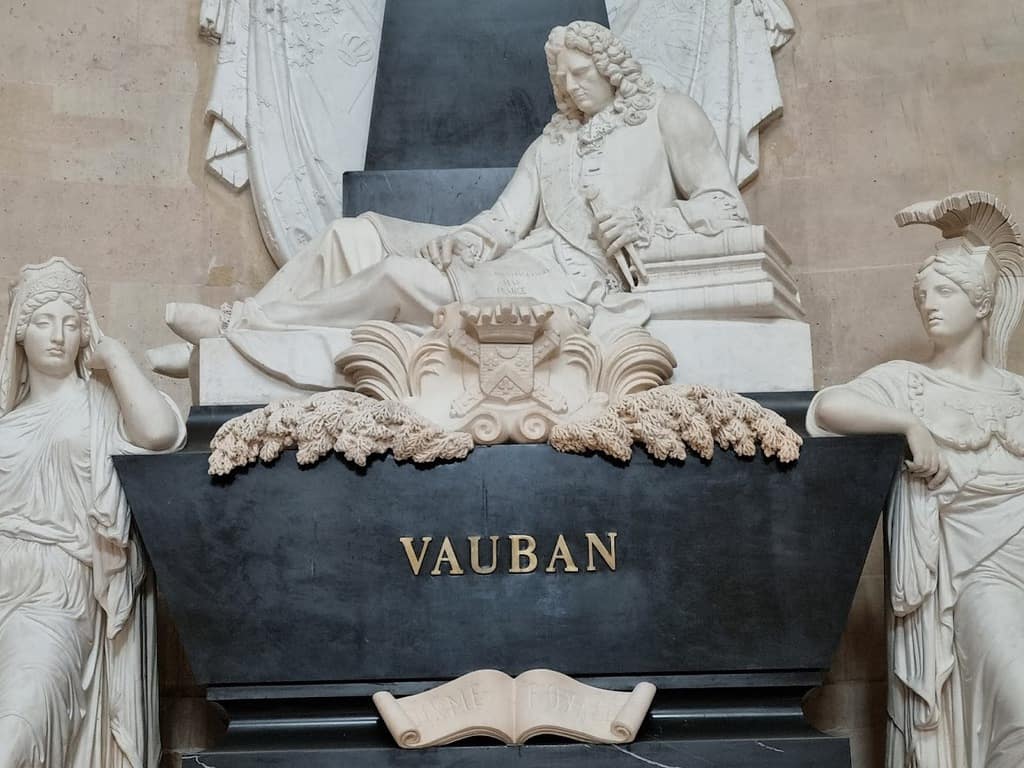
At first the heart was placed in an urn on a simple column. In 1847 the monument was replaced with a black marble sarcophagus by the sculptor Antoine Étex (1808–1888). Vauban appears on it in the dress of his time, leaning on the books he wrote and holding a compass, and beside him are two figures that symbolize war and science. At the foot of the monument lies a rolled-up scroll inscribed with the name of the book the king banned: Dîme royale. If you visit Les Invalides, you’ll find it in the chapel of Sainte-Thérèse in the Dome Church.
At Bazoches itself, the château was emptied of its contents during the French Revolution, and in the 19th century it went through several changes. Between 1830 and 1832 two architects from Paris renovated it, and in the same years a pool for washing the horses’ hooves (pédiluve) was dug in the lower courtyard, which you can still see today. About six years after the renovation, Bazoches returned to Vauban’s descendants, when its owner, Fernand de Vibraye, married Henriette Le Peletier d’Aunay, a sixth-generation descendant of the marshal. Around the same time, about 1840, the moats that surrounded the château were filled in.
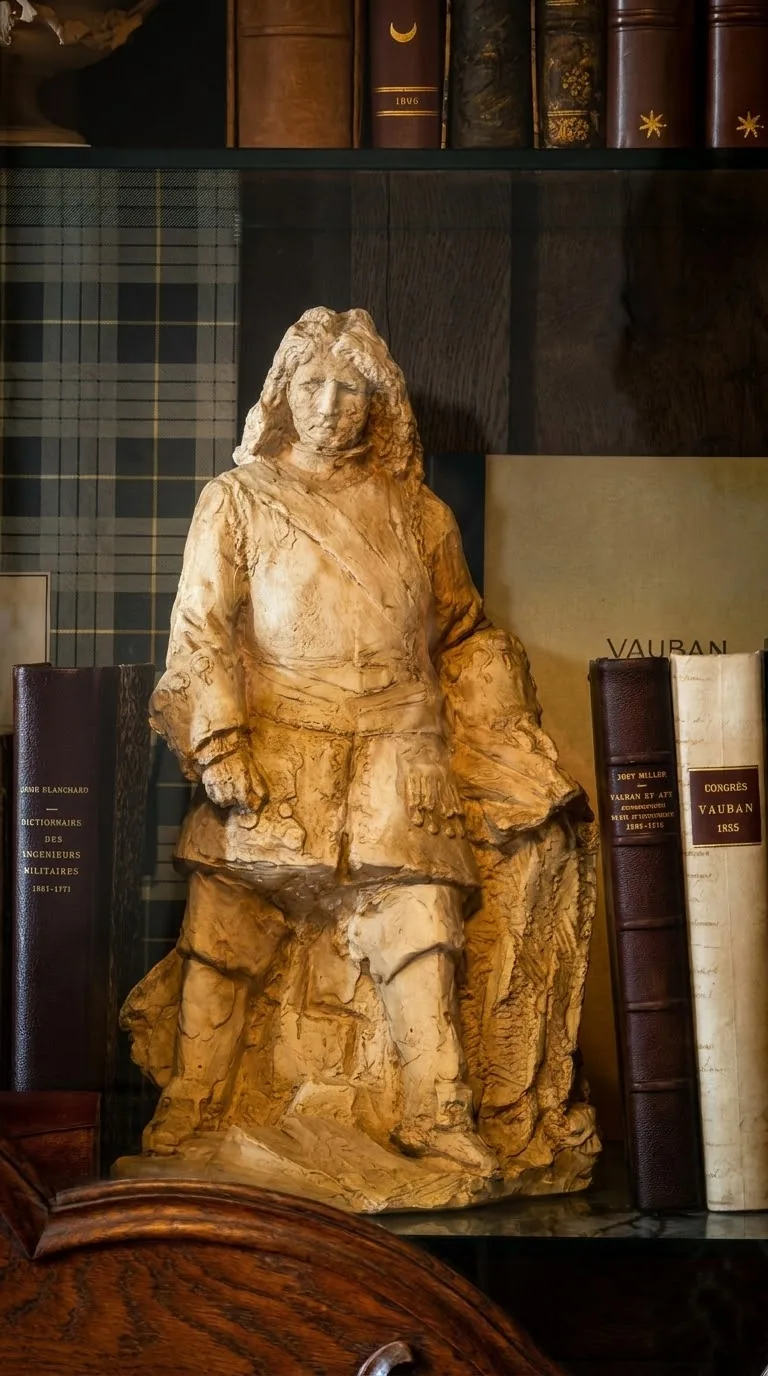
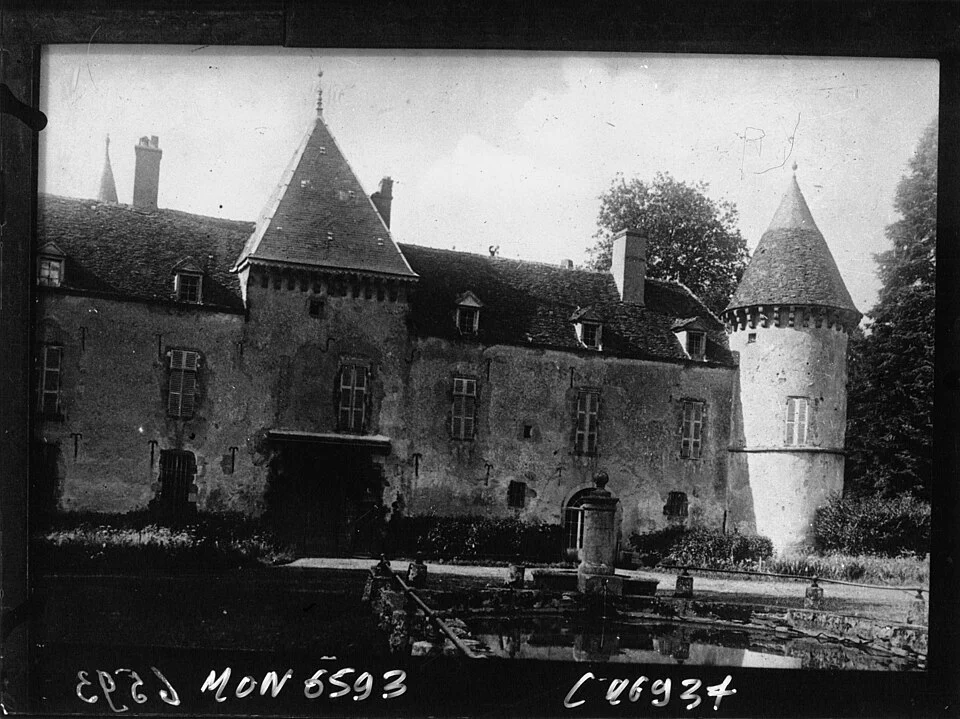
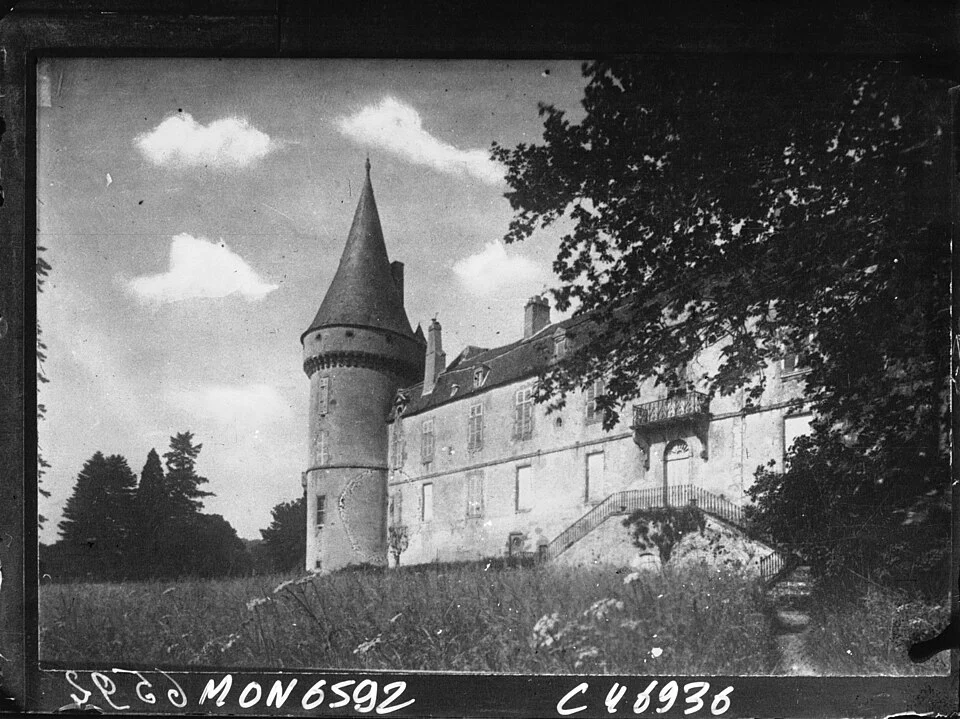
In 1867 an imperial decree changed the name of the village where Vauban was born to Saint-Léger-Vauban, and in 1873 a bronze statue of Vauban by Auguste Bartholdi (1834–1904), who also designed the Statue of Liberty, was unveiled in Avallon. The statue stands on place Vauban, the square that is also home to the restaurant Le 1815. In 1933 Bazoches celebrated Vauban’s 300th birthday, and those celebrations left behind the press photos you see in this article.
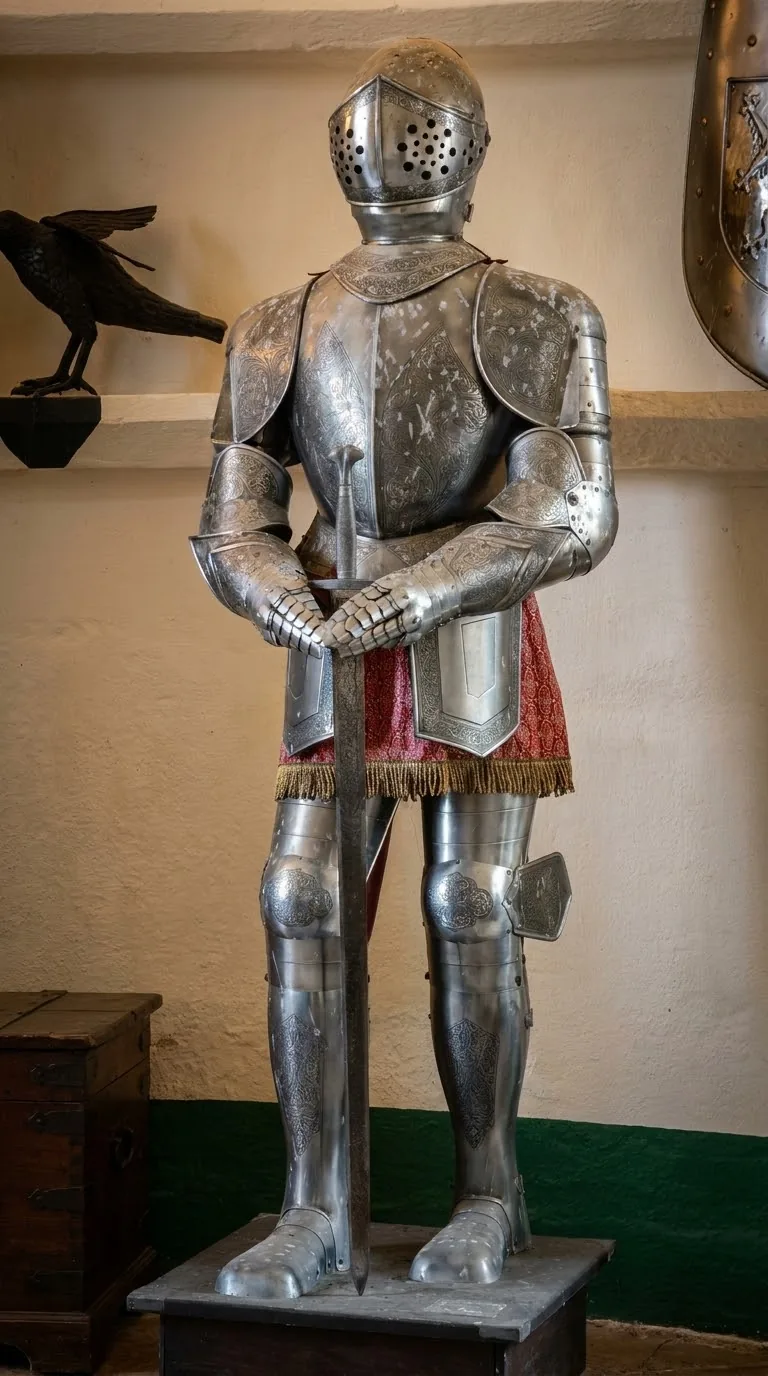
In 1945, members of the French Forces of the Interior (FFI), who had fought against the German occupation, damaged the château and looted objects from it, including parts of the armor. In 1966, soldiers of the 19th Engineer Regiment from Besançon, in other words the engineering corps that grew out of Vauban’s engineers, cleared the dry moats, with the support of the minister of the armed forces, Pierre Messmer (1916–2007).
On March 11, 1994, the château was listed as a protected historic monument (monument historique), and in 1997, after restoration, its owners, Charlotte’s descendants, opened it to the public. In 2008, 12 Vauban fortifications, including Neuf-Brisach, were added to the UNESCO World Heritage List. Bazoches, the house where Vauban ran his planning office, was not included in the list. In 2020 the program Secrets of History (Secrets d’Histoire) filmed several scenes here for an episode devoted to Vauban, which aired on France 3.
Where to eat near Château de Bazoches
It’s best to plan your meal in Vézelay or in Avallon. I had lunch that day at Le 1815 in Avallon, and here are two more options in the area, both listed in the Michelin Guide.
L’Éternel
The restaurant of Hôtel de la Poste et du Lion d’Or is at the foot of the hill of Vézelay, at the bottom of the main street that climbs to the basilica. It opened in March 2017, and chef Eric Balan cooks modern cuisine with regional touches. The restaurant is listed in the Michelin Guide, and the Gault&Millau guide gave it a score of 14.5 out of 20.
Address: 9 place du Champ-de-Foire, Vézelay. The restaurant is open Wednesday to Friday for dinner, 7:00–9:00 p.m., and on Saturday and Sunday for lunch as well, 12:00–1:30 p.m. It’s closed on Monday and Tuesday. Phone: +33 3 73 53 03 20. You can book a table on TheFork.
Le Valucien
The restaurant of Château de Vault de Lugny has held a Michelin star since 2019. Chef Franco Bowanee, who was born in Mauritius and has worked at the château since 2008, combines French ingredients, including vegetables from the château’s garden, with spices from the island where he was born. The desserts of pastry chef Karina Laval earned her the title of Gault&Millau’s pastry chef of the year for Burgundy-Franche-Comté for 2024. Tasting menus start at €69, and the restaurant closes for a while in the winter months, so it’s worth checking the dates on the website.
Address: 11 rue du Château, Vault-de-Lugny. Lunch is served on Saturdays, Sundays and holidays between 12:00 and 1:15 p.m., and dinner from Friday through Tuesday, in two seatings: 7:00–7:30 p.m. and 8:30 p.m. Phone: +33 3 86 34 07 86. You can book a table on the château’s website.
Where to stay near Château de Bazoches
The closest base to the château is Vézelay, 10 kilometers away, and there are also some interesting country hotels in the area. I myself stayed in Semur-en-Auxois during those days, at Hôtel Relais de la Côte d’Or, which you can read about in my article on Semur-en-Auxois. Here are three options closer to Bazoches.
-
Hôtel de la Poste et du Lion d'Or
A four-star hotel in a former coaching inn (relais de poste), at the bottom of the main street that climbs to the basilica of Vézelay and a two-minute walk from the Musée Zervos. It’s also home to the restaurant L’Éternel, so you can end the day with dinner without having to drive. It has a bar, terraces and a garden overlooking the village and the hills of the Morvan, and from there it’s only 10 kilometers to Bazoches.
-
Les Glycines Vézelay
A small boutique hotel in an old stone house on rue Saint-Pierre, the main street of Vézelay, about two minutes’ walk from the basilica. It’s the right choice if you want to sleep inside the historic village, reach the basilica early in the morning before the groups arrive, and drive to Bazoches afterward.
-
Château de Vault de Lugny
If you want to sleep in a château after visiting one, you can do it here. It’s a moated château from the 13th and 16th centuries near Avallon, with 16 rooms, a heated pool and a park. The hotel received a Michelin Key in 2026, and its restaurant, Le Valucien, holds a Michelin star. It’s the most expensive of the three, and it’s best suited to anyone looking for a memorable night in Burgundy.